
Groups joined
Discussions started

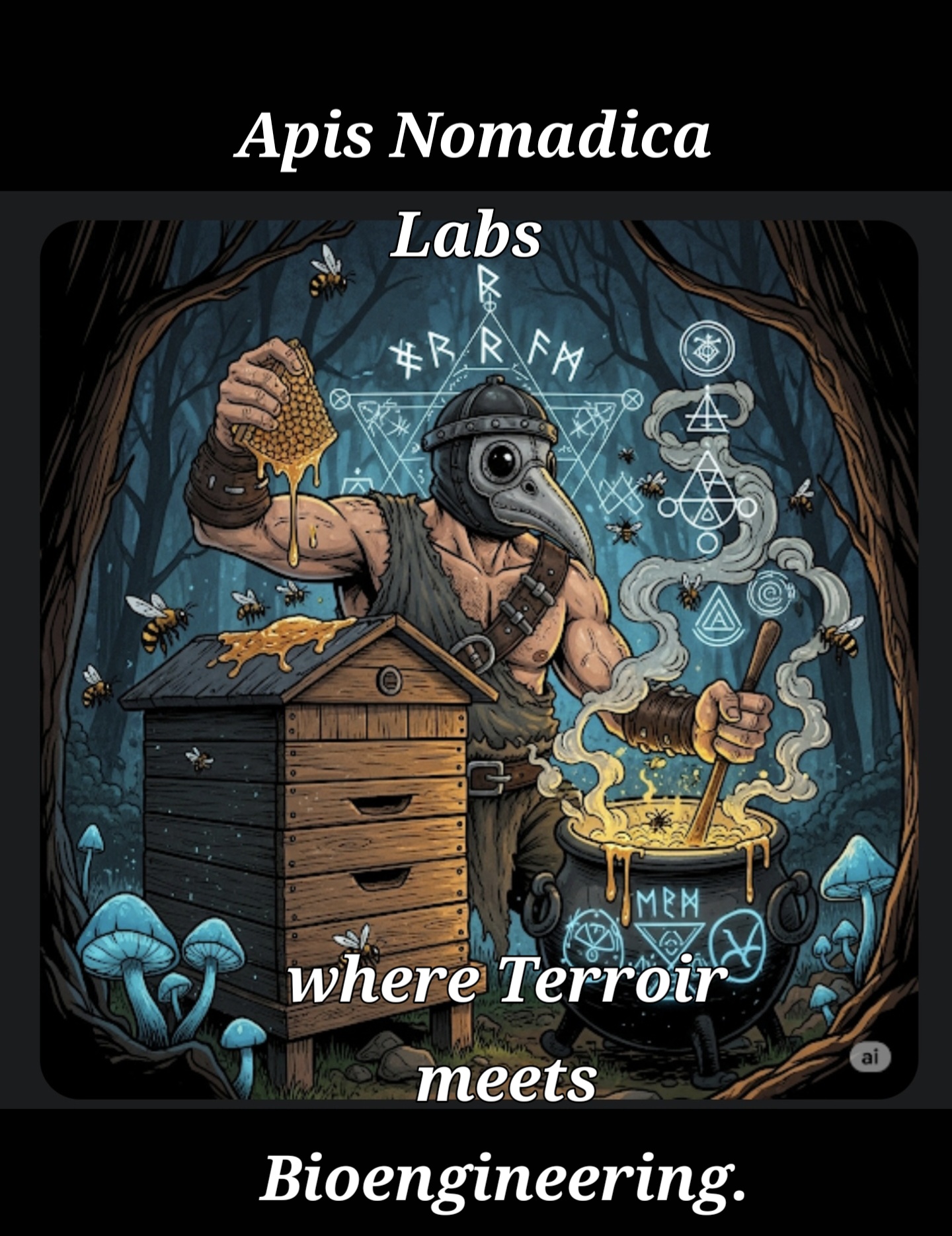
Pierre reed added a new Discussion - "Apis Nomadica Labs: Mobile Bee-Search for the Future of Food & Medicine" to Acoustics
Groups
Group
- Group Stats
-






- 755
- 286
The Animal Movement Group is a collaborative community dedicated to advancing the study, monitoring, and conservation of animal movement. It provides a space for researchers, practitioners, and innovators to exchange knowledge, explore bio-logging approaches and data, and address conservation challenges linked to species mobility.
- Latest Resource
- /
- Wild Moves and Wild Album: New GBIF Data Portals for Animal Tracking and Camera Trap Data
New data portals are making it easier to discover and explore wildlife tracking and camera trap datasets from around the world.
Group
- Group Stats
-





- 225
- 69
- Latest Resource
- /
- Boring Fund Report for Creating Global Open-Access Ground-Truth Datasets for Insect Monitoring
Improving the computer vision detection model for the Mothbox, an automatic insect monitoring tool from Dinalab
Group
- Group Stats
-




- 299
- 33
- Latest Discussion
- New "Human Dimensions" group on Wildlabs?
Over the last few years the conservation movement has been enthusiastically deploying new technologies that make it possible to observe and protect the natural world in ways once unimaginable. But are there any potential risks we need to consider as we deploy the new, exciting technologies?
🌍 Conservation technology is transforming how we protect wildlife, but are we thinking carefully enough about the risks? Drones, camera traps, GPS trackers, acoustic sensors, AI, and remote sensing have become essential tools for conservation practitioners around the world. They help us monitor species, detect threats, and respond faster than ever before. But these same technologies can also introduce unintended risks, and in some cases, can be exploited by those seeking to harm the very wildlife we're trying to protect. 🦏 Input now and/or join the discussions/research.
Group
- Group Stats
-







- 237
- 148
- Latest Discussion
- Any experience with result-based financing or impact bonds?
The number one problem in nature conservation is the need for more money or access to funding. This group aims to help all WILDLABS community members with funding and financing their projects. The group is called Funding and Finance to draw attention to the possibilities of funding (i.e., grants, awards, and other gifts) and finance (loans and venture capital investment in nature conservation projects and start-ups). These topics should be seen in their wider contexts, including that of a project or organisation’s income or business model.
- Latest Resource
- /
- Announcing the WILDLABS Awards 2026 Grantees
Learn about the 16 selected projects that are working to innovate, scale, and adopt conservation technology for this year’s WILDLABS Awards.
Group
- Group Stats
-






- 559
- 194
- Latest Discussion
- New "Human Dimensions" group on Wildlabs?
The Human–Wildlife Coexistence (HWC) group is a collaborative hub for conservationists, technologists, field researchers, entrepreneurs, and innovators exploring solutions to HWC globally. The group provides a space to share practical tools, pilot novel interventions, connect global communities, and amplify projects that help communities and wildlife coexist. The group emphasizes community voices, socio-economic challenges, and equitable resource sharing, ensuring human perspectives are understood alongside wildlife needs.
- Latest Resource
- /
- Synthesis of Insights / Learning session 14: Rights of Nature by Tribal and First Nations
Synthesis of insights of our 14th online learning session, using dialogue to explore the workings, developments, (im)possibilities, and emerging insights of diverse approaches and praxes for Co-creation with the More-than-Human world
Group
- Group Stats
-



- 518
- 154
- Latest Discussion
- The (Wildlabs) Year in Reflection for OSS Group
This group is for anyone interested in open source technologies for ecology and conservation. We welcome contributions from both makers and users, whether active or prospective. Here, we believe that open source hardware, software, and data are key to conducting both rigorous and honorable science and research. It is a place to share novel or existing technologies, exchange resources, discuss new projects, ask for advice, find collaborators, advocate for adopting open source technologies, and share strategies for making them sustainable. Open Source Solutions naturally overlaps with existing WILDLABS groups, and we aim to embrace this overlap while maintaining our unique space for growth of Open Source Solutions as a priority in conservation science.
- Latest Resource
- /
- BAM (Biodiversity Around Me) widget
I am happy to introduce and share our new project BAM, to make open biodiversity data easily accessible to everyone, everywhere!
Group
- Group Stats
-



- 528
- 323
- Latest Discussion
- Getting behavioral data out of datasets that weren't built for it
Want to talk about sensors that don't quite fit into any of our tech-specific groups? This is the place to post! From temperature and humidity to airflow and pressure sensors, there are many environmental sensing tools that can add valuable data to core conservation monitoring technologies. With the increasing availability of low-cost, open-source options, we've seen growing interest in integrating these kinds of low bandwidth sensors into existing tools. What kinds of sensors are you working with?
🌍 Conservation technology is transforming how we protect wildlife, but are we thinking carefully enough about the risks? Drones, camera traps, GPS trackers, acoustic sensors, AI, and remote sensing have become essential tools for conservation practitioners around the world. They help us monitor species, detect threats, and respond faster than ever before. But these same technologies can also introduce unintended risks, and in some cases, can be exploited by those seeking to harm the very wildlife we're trying to protect. 🦏 Input now and/or join the discussions/research.
Group
- Group Stats
-





- 1000
- 540
- Latest Discussion
- Geospatial Group Reflections 2025-2026
The WILDLABS Community Base is the ideal place to get oriented with the all that our community platform offers, hear about news and opportunities, and to meet new friends and collaborators.
- Latest Resource
- /
- WILDLABS en français !
Après l'espagnol, nous sommes ravis d'annoncer que la plateforme est maintenant disponible en français!
Group
- Group Stats
-


- 407
- 36
- Latest Discussion
- Custom Hydrophone Records Dolphins
Welcome to the official group forum for our virtual course, Build Your Own Data Logger. This is your space to engage with course instructors Akiba and Jacinta from Freaklabs, find help and resources for each module, collaborate and chat with your fellow course participants, and share your progress on your own Data Logger project!
- Latest Resource
- /
- Open-Source Solutions for Amphibian Passive Acoustic Monitoring: Lessons from Patagonia
Monitoring amphibians across the temperate forests of Patagonia presents significant logistical and technical challenges. Remote locations, harsh environmental conditions, and the large volumes of data generated by Passive Acoustic Monitoring (PAM) can make long-term biodiversity surveys difficult to implement and maintain. In addition, environmental data often relies on multiple independent devices, increasing costs, complexity, and logistical demands in remote field conditions. Through the WILDLABS Awards 2025, our team explored practical ways to address these challenges by combining open-source hardware, environmental sensing, and AI-assisted acoustic analysis.
Group
- Group Stats
-





- 491
- 152
- Latest Discussion
- TrailCam - Browser tool for preparing trail camera observations
Anyone can become a citizen scientist - even experts! If you're excited about exploring new areas of conservation tech, contributing to projects, or developing and launching your own citizen science projects or apps, this is the group for you.
- Latest Resource
- /
- Trapper Keeper: Scaling Open-Source AI Infrastructure for Global Biodiversity Monitoring
By Ed miller (@bluevalhalla) , Director at BearID Project and Software Director at Arm
Bookmarks
Keep track of the resources that matter to you! Collections let you save, organise, and share content from all over the WILDLABS community. Create your first collection by clicking on the bookmark icon wherever you see it.
My Courses
These are your in-progress and completed courses. Explore more courses through our catalogue.
To find courses you have created, see your "My Draft Content" or "My Content" tabs.
Settings
Pierre reed's Content
Discussion

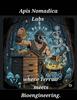
🐝 Apis Nomadica Labs: Mapping Royal Jelly Terroir Through Mobile Bee BiotechAbout Us:Apis Nomadica Labs is a mobile apiary research initiative focused on understanding how local...
7 August 2025
Pierre reed's Comments
Be part of the conversation! Once you've joined a discussion in the community, your comments will show up here.