

Marcelo Bonino
- @boninom
- | Marce
National Scientific and Technical Research Council of Argentina (CONICET)


What we built
To address these challenges, we brought together biologists, engineers, and computer scientists around two complementary goals:
- Integrating environmental sensing into open-source acoustic recorders and
- developing accessible AI workflows capable of processing large acoustic datasets.
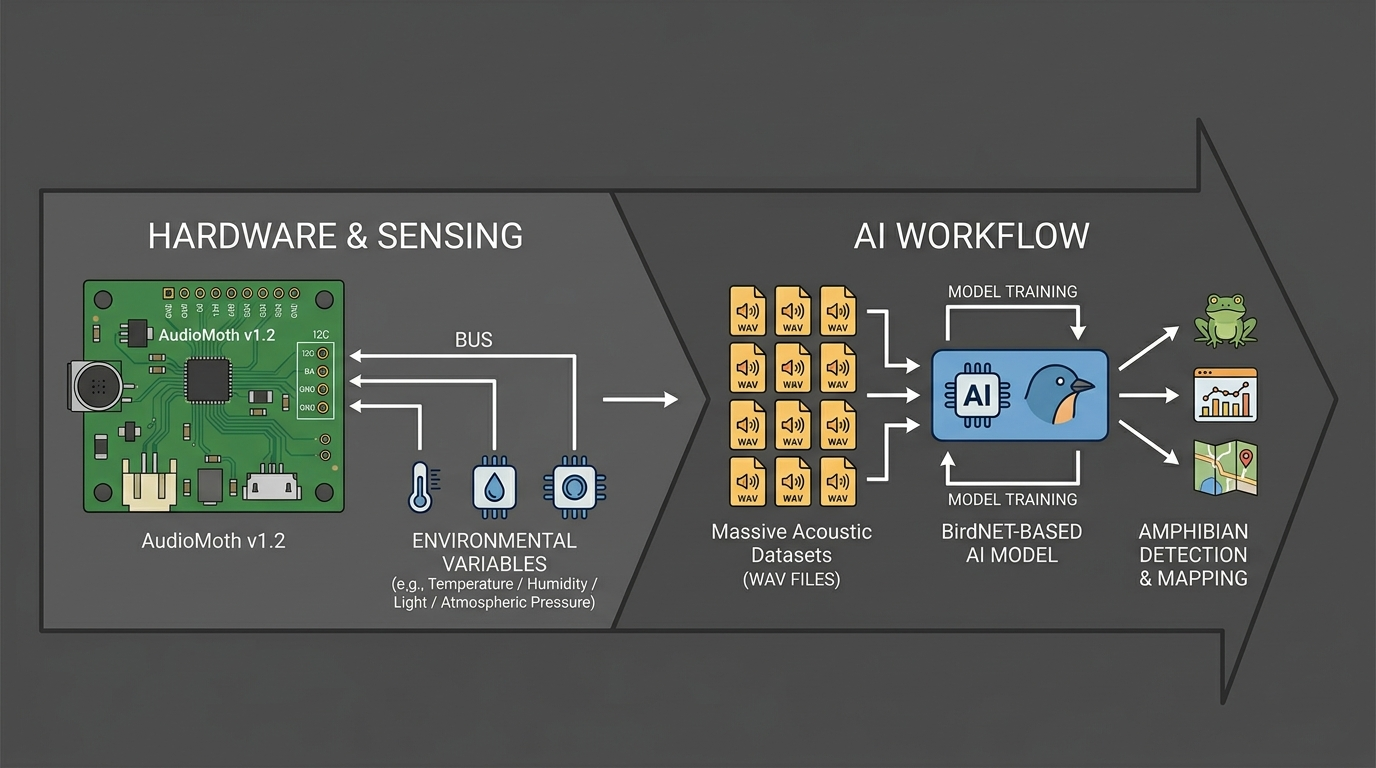
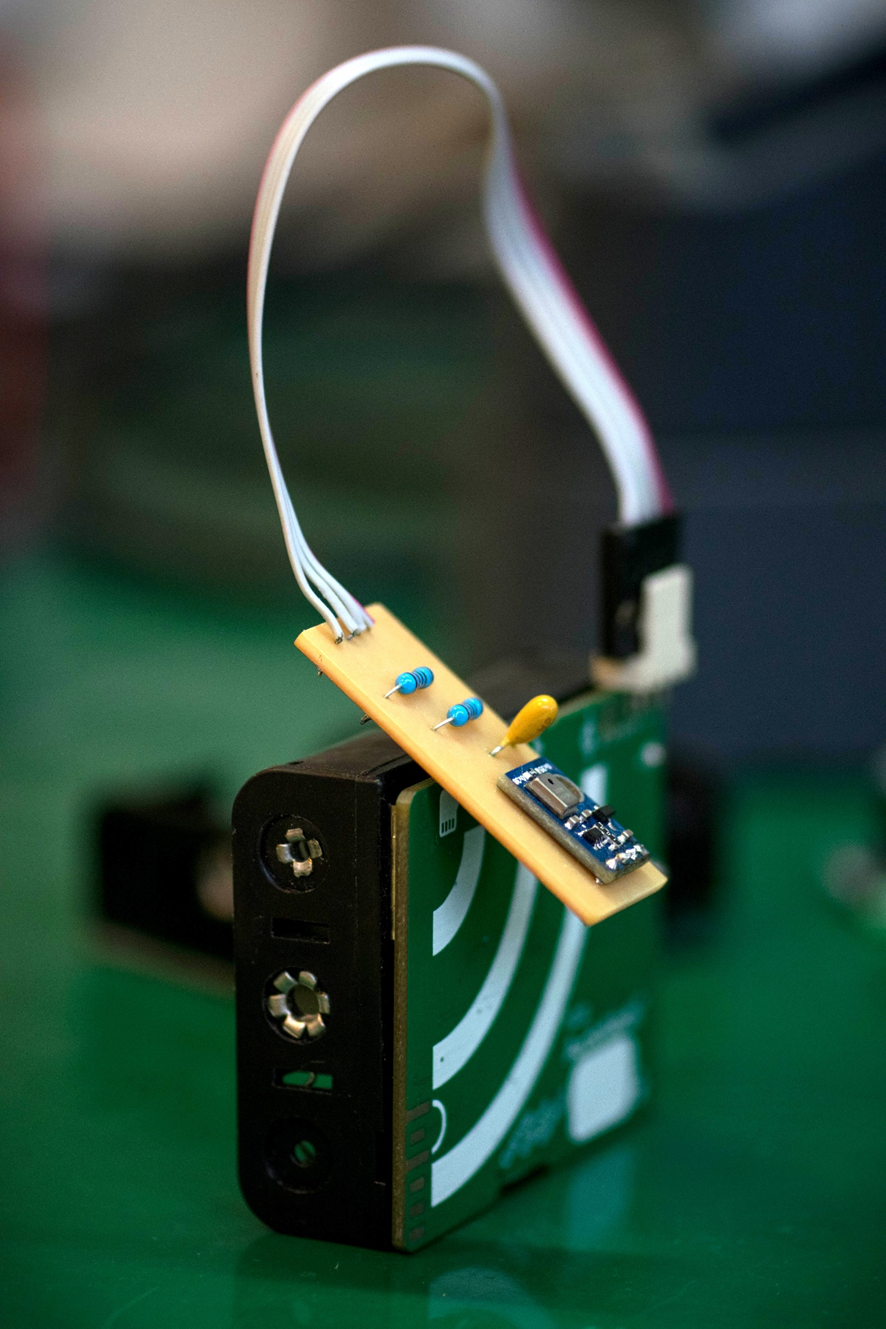
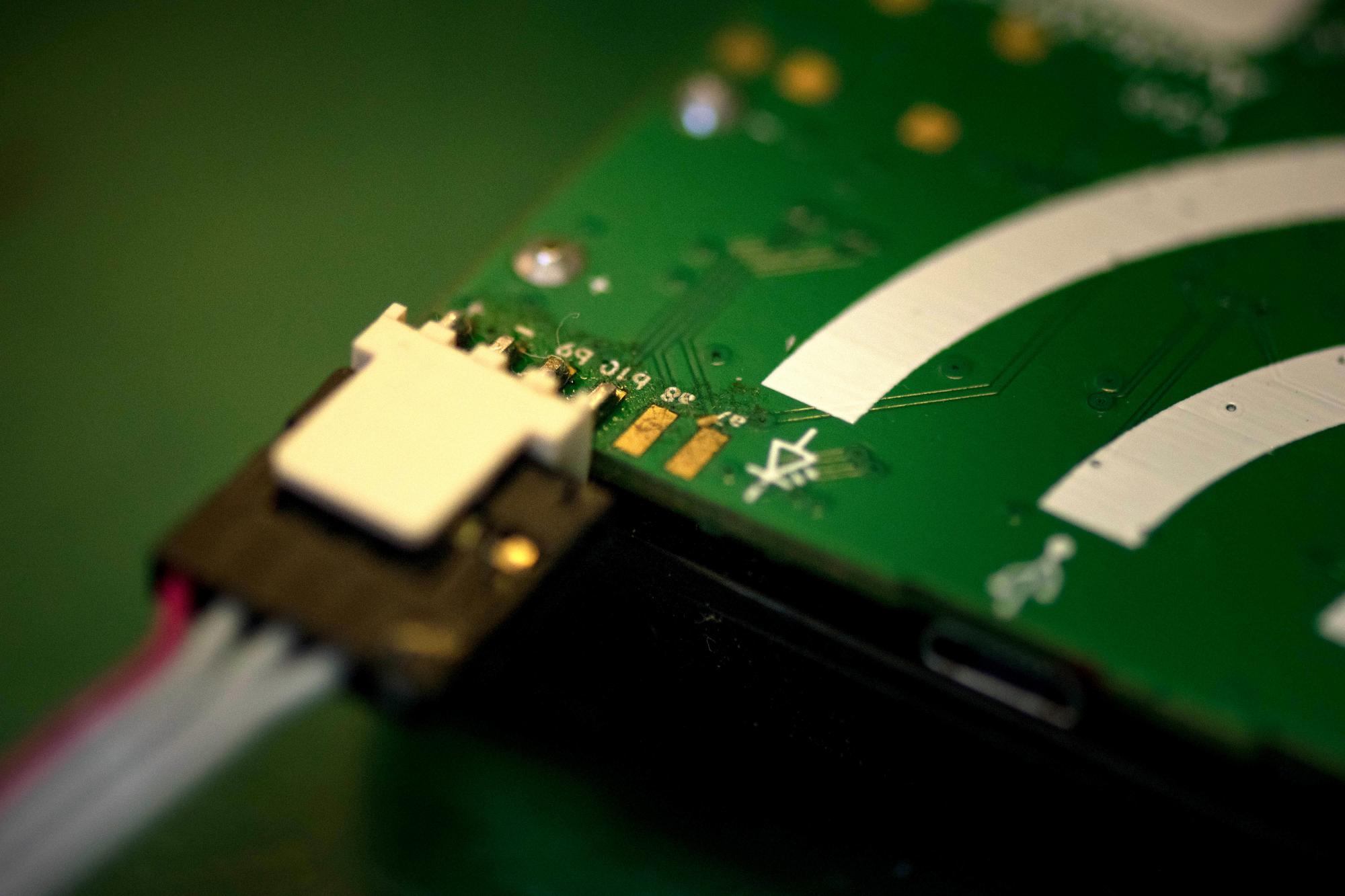
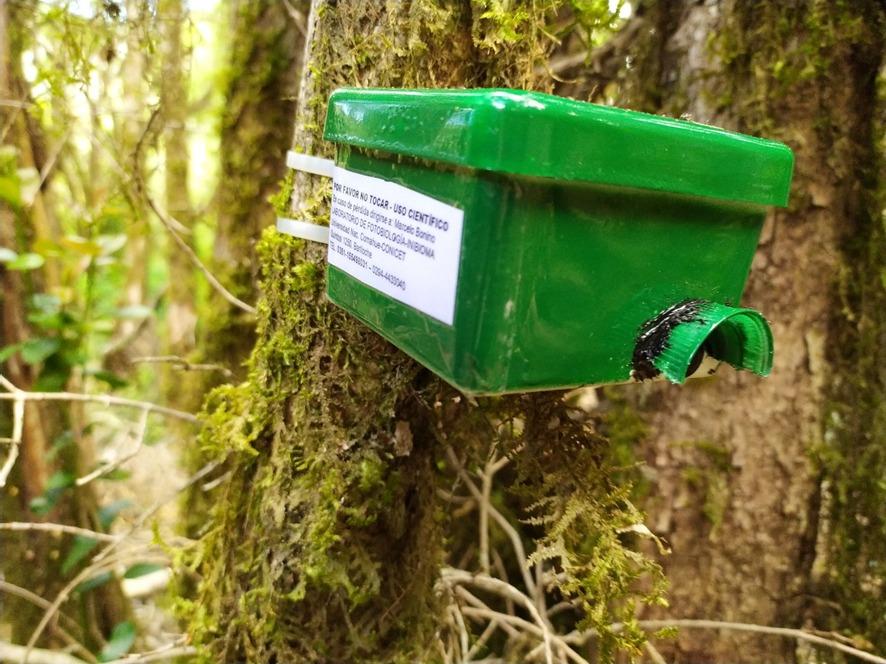
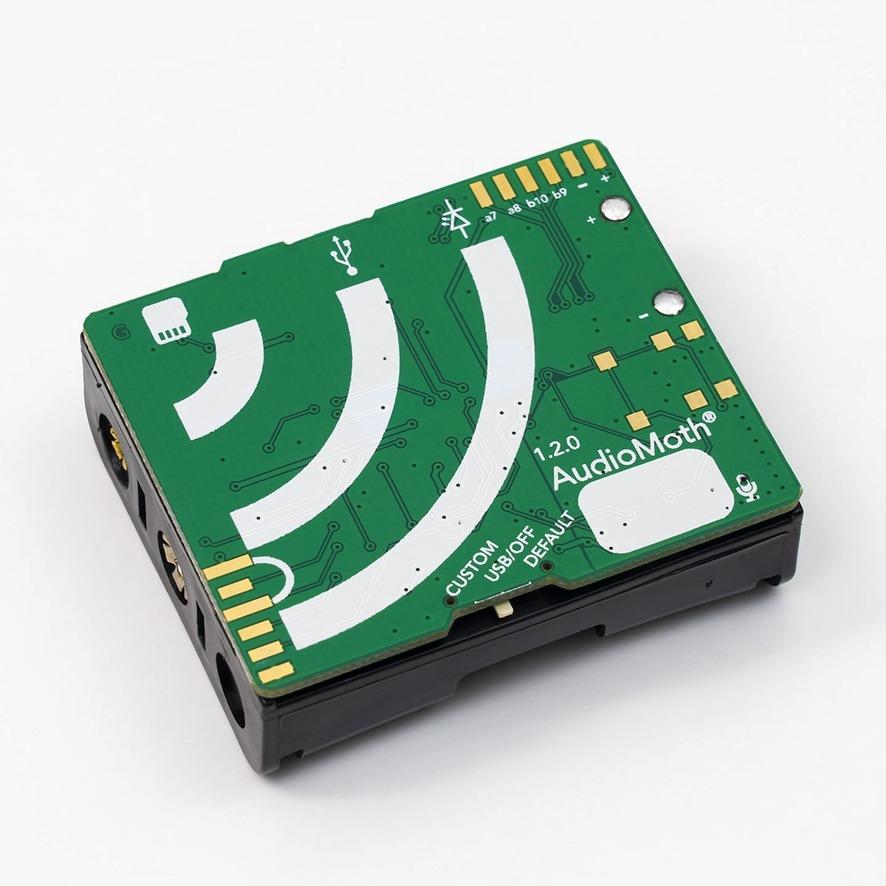
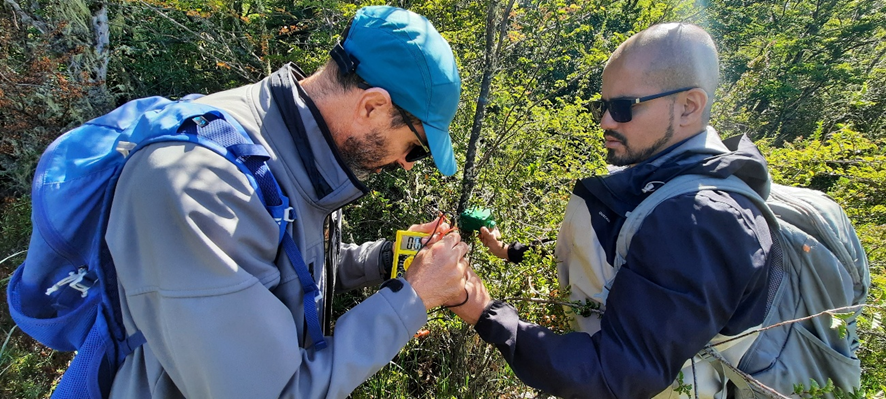
On the hardware side, we modified AudioMoth devices using custom open-source I2C firmware, publicly available on GitLab. Our current prototypes integrate temperature and humidity sensors directly into the recording units, while the expandable protocol is designed to support additional sensors such as light intensity, atmospheric pressure, and other environmental variables. This approach allows acoustic and environmental data to be collected simultaneously using a single low-cost platform.
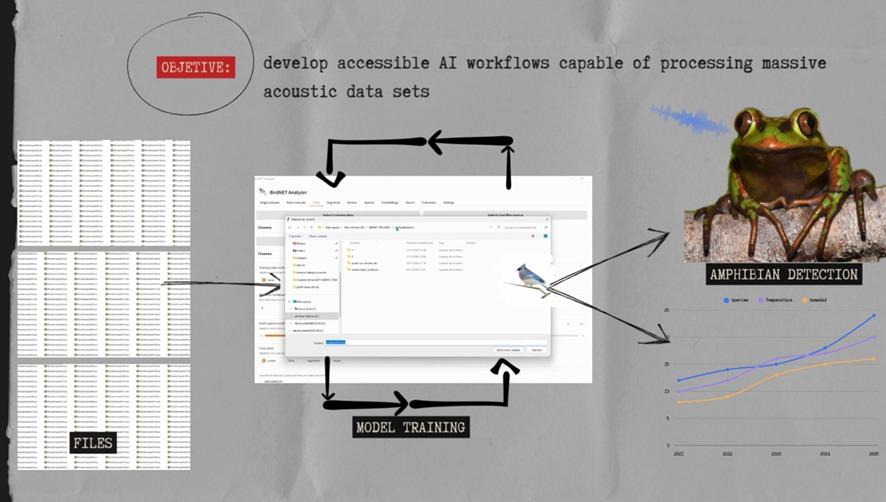
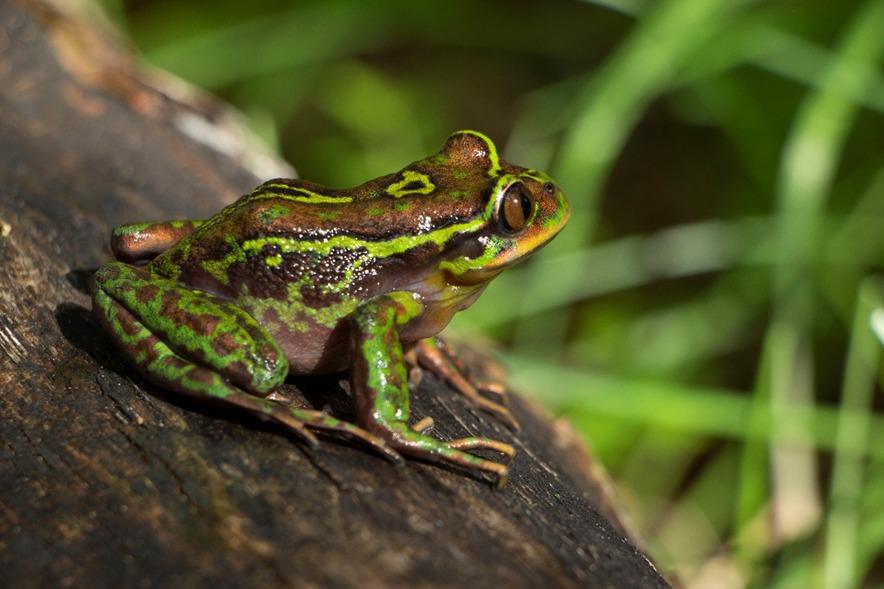
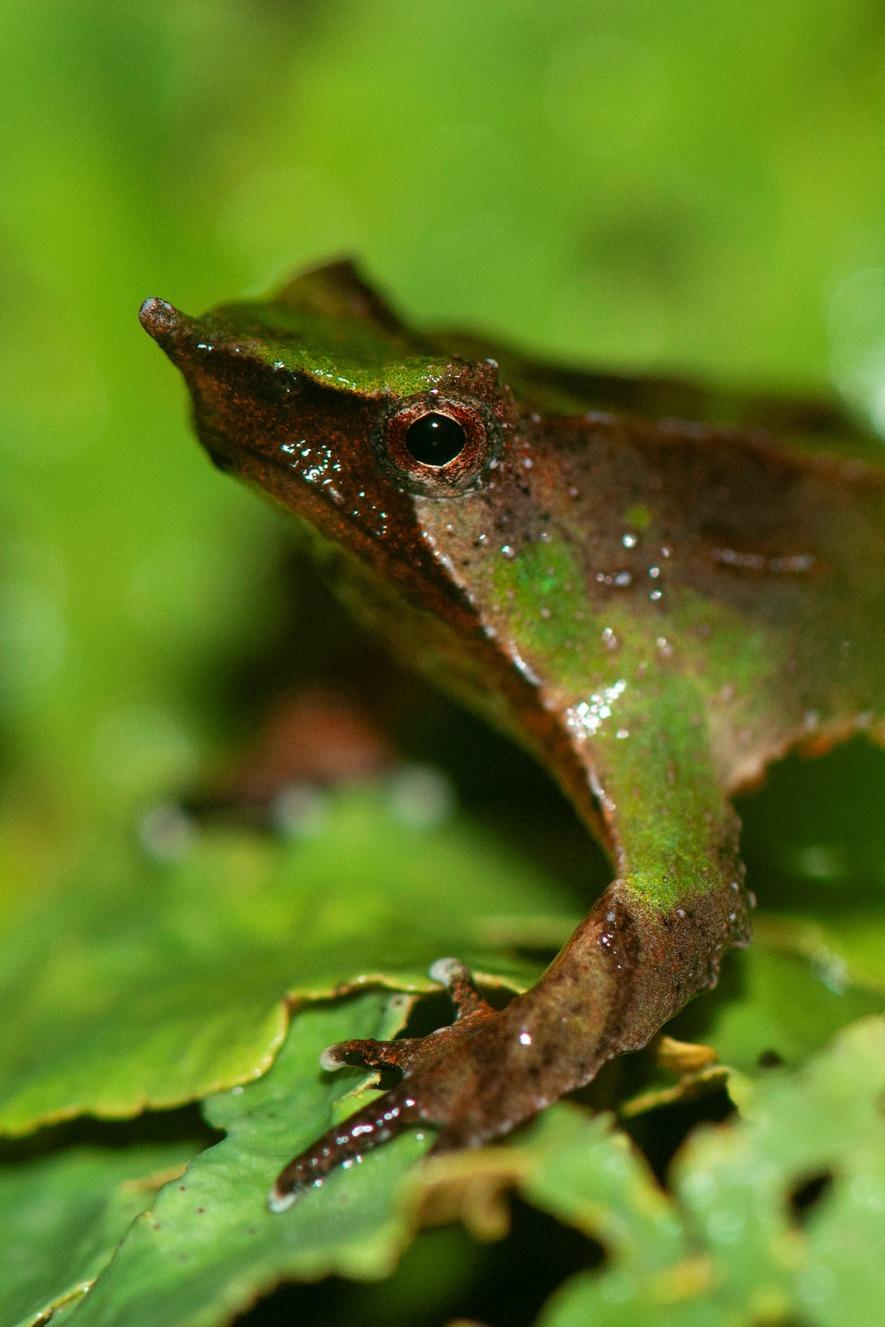
In parallel, we developed a reproducible BirdNET-based workflow for amphibian acoustic monitoring. The pipeline covers data curation, manual annotation, model training, and validation, providing a practical framework that can be adapted by other researchers. As part of this effort, we developed custom classifiers for six Patagonian amphibian species, including the endangered Darwin’s Frog (Rhinoderma darwinii). The complete workflow, classifiers, and documentation are openly available on GitHub and shared through the WILDLABS community.
What we achieved
- 23 monitoring sites across Argentina and Chile.
- More than 3,000 hours of audio collected being processed.
- Custom BirdNET classifiers for six amphibian species.
- Public repositories for firmware and AI workflows.
Beyond technology
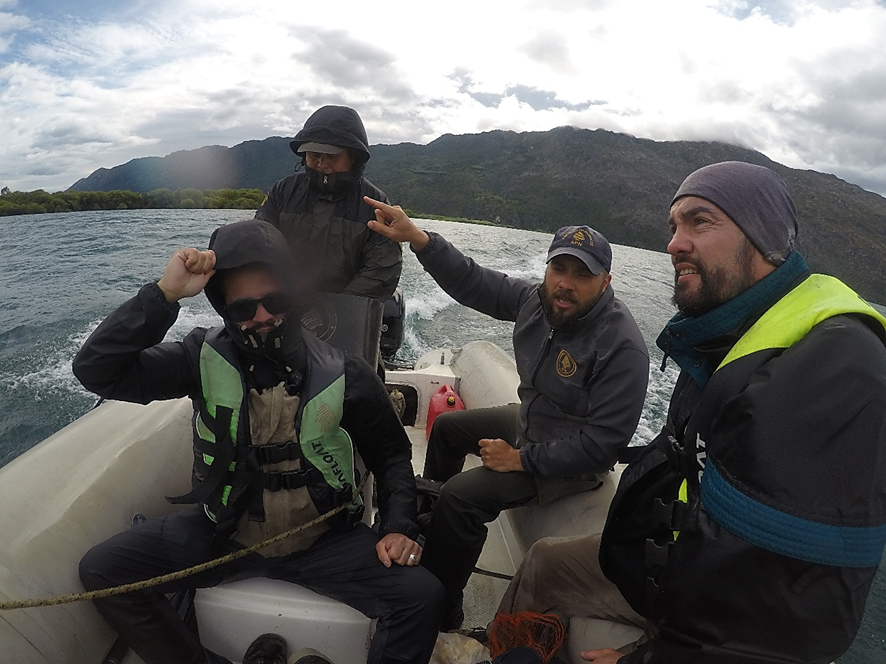
One of the most valuable outcomes of this project has been the strengthening of collaborations across institutions, disciplines, and countries. The work contributed to the ongoing binational collaboration between Argentina and Chile under the Darwin’s Frog Conservation Strategy, bringing together researchers, protected area managers, and conservation practitioners around a shared monitoring effort.
The project also reinforced partnerships with Argentina’s National Parks Administration (APN), Chile’s National Forest Corporation (CONAF), and private conservation initiatives such as Huilo Huilo Biological Reserve and Tantauco Park. These collaborations have been essential for maintaining long-term monitoring sites and facilitating field operations across Patagonia.
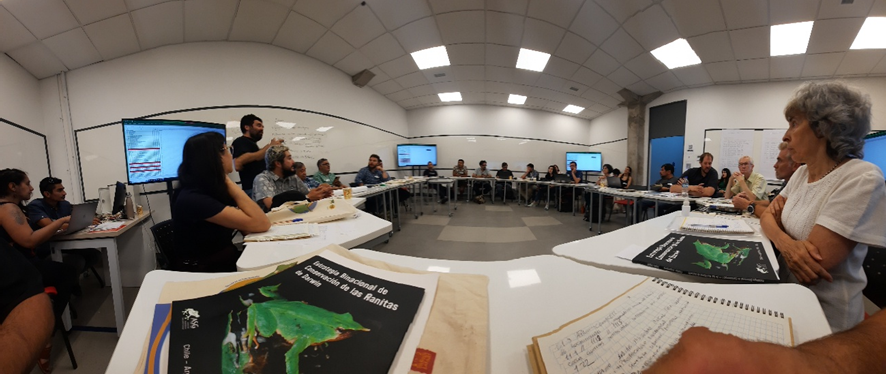
Meeting within the framework of the binational strategy for the conservation of Darwin's frog
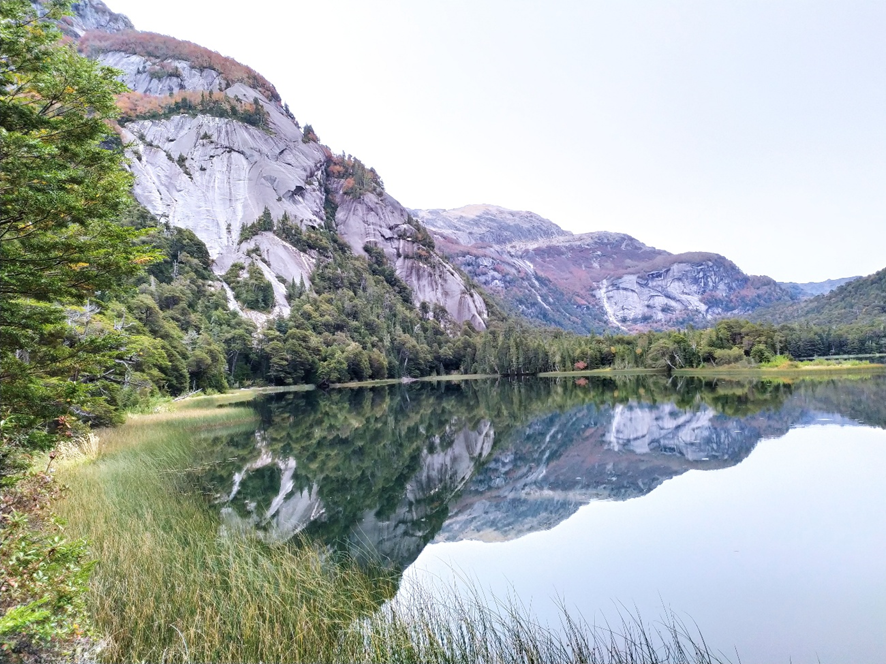
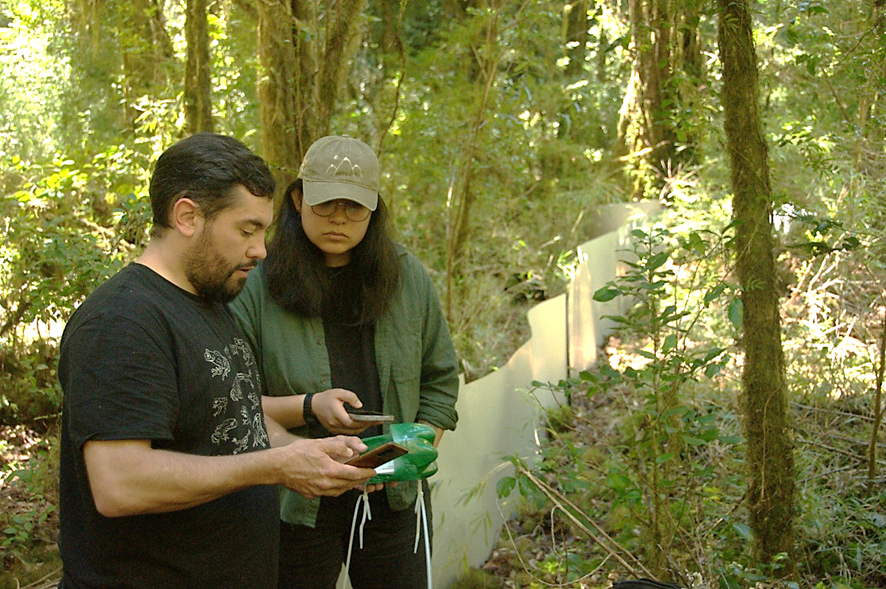
Beyond institutional partnerships, the project is directly supporting doctoral research and helping build local technical capacity in ecoacoustics, environmental sensing, and AI-based biodiversity monitoring. The datasets, workflows, and tools developed through the project are already being used by PhD students and early-career researchers.
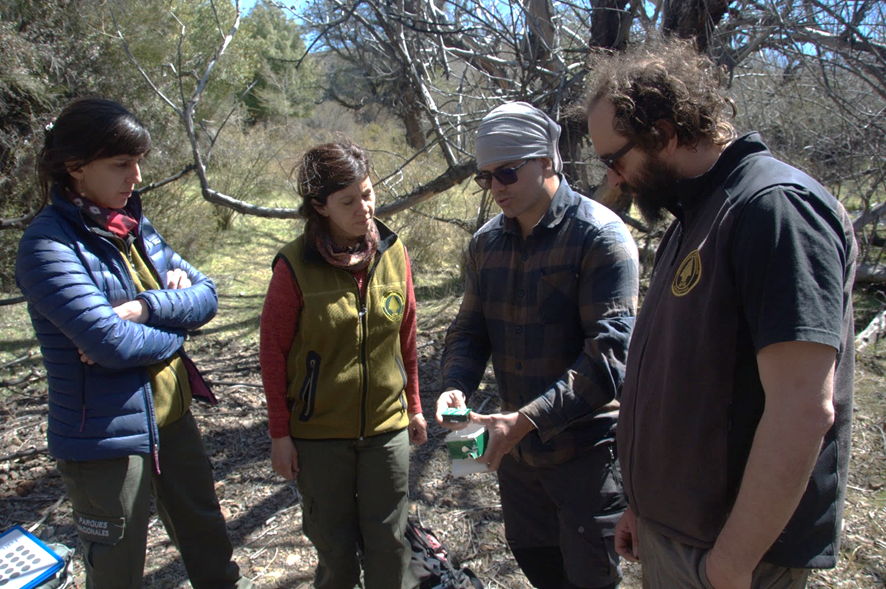
Perhaps the most important lesson was the value of interdisciplinary collaboration. Engineers gained a deeper understanding of the ecological questions driving biodiversity monitoring, while biologists became familiar with the practical challenges of sensors, firmware development, and machine learning workflows. Building this shared language across disciplines proved just as important as the technology itself.
What's next
The next phase of the project will focus on expanding the deployment of sensor-enabled devices, continuing the search for Darwin’s Frog (Rhinoderma darwinii) in historical localities, and further exploring TinyML approaches for edge-based acoustic detection. We also plan to continue refining the workflows developed during this project and evaluating their performance across larger datasets. By keeping both the hardware and software openly available, we hope these tools can be adapted and reused by researchers and conservation practitioners working with other species and ecosystems.
Resources
Project Thread: WILDLABS Project Page
Project Video: YouTube Video Link
Firmware: AudioMoth I2C Firmware Repository (GitLab)
AI Workflow: BirdNET-based Workflow for Amphibians (GitHub)
Edge Models: TinyFrog Repository (GitHub)
PyTorch reimplementation: BirdNET-Analyzer (GitHub)
This work was carried out under the auspices of the WILDLABS Awards 2025 with funding from WILDLABS and Arm Ltd
Add the first post in this thread.