
Group curators

Juan Sebastián Ulloa
- @jsulloa
- | He/Him
Instituto Humboldt
Red Ecoacústica Colombiana

Vanesa Reyes
WILDLABS
Wildlife Conservation Society (WCS)

Jaqueline Garcia-Yi
- @jgaryi
- | She/her
Ecosonus

Marconi
- @Marconi
- | He
WildMon
The Latin America Community group is designed to create a dedicated regional hub within WILDLABS, where conservationists and technology enthusiasts from Latin America can come together to share knowledge, collaborate on projects, and build networks that support conservation efforts across the region.
This group is for individuals working in or passionate about conservation technology across Latin America. From researchers, conservationists, tech developers, policy-makers or just people starting in the field, this community welcomes everyone interested in advancing conservation technology in the region.
A primary challenge faced by the Latin American conservation tech community is a lack of cohesive networking and communication channels specific to the region. The large geographic distances, and the varying levels of access to resources have made it difficult for people to connect and collaborate effectively. This group aims to address these issues by providing a central space where members can connect, find peers with similar interests, communicate more seamlessly, share resources, and build networks. It also encourages cross-border collaboration and helps bridge the gap between those with access to technology, knowledge and resources and those in need of them.
Community Guidelines
When participating in this group, either through commenting or posting, please post and/or comment in both Spanish (or Portuguese) and English.
Image Credit: Banco de Imágenes del Instituto Humboldt
Group curators
- @jsulloa
- | He/Him
Instituto Humboldt & Red Ecoacústica Colombiana
Scientist and engineer developing smart tools for ecology and biodiversity conservation.



- 4 Resources
- 22 Discussions
- 7 Groups
WILDLABS & Wildlife Conservation Society (WCS)
I'm the Bioacoustics Research Analyst at WILDLABS. I'm a marine biologist with particular interest in the acoustics behavior of cetaceans. I'm also a backend web developer, hoping to use technology to improve wildlife conservation efforts.





- 45 Resources
- 40 Discussions
- 34 Groups
- @jgaryi
- | She/her
Ecosonus
Researcher and co-founder of Ecosonus, a startup incubated at Harvard Innovation Labs that develops AI-powered tools combining bioacoustics, remote sensing, and geospatial modeling to monitor biodiversity.


- 4 Resources
- 4 Discussions
- 6 Groups
- @Marconi
- | He
WildMon
Marconi Campos-Cerqueira is the Co-Founder and Chief Science Officer of WildMon, a nonprofit organization dedicated to democratizing access to technology for biodiversity monitoring.

- 0 Resources
- 1 Discussions
- 3 Groups
No showcases have been added to this group yet.

- @VMRocchi
- | Maxi
I am an Argentine biologist and a doctoral fellow at CONICET and APN, researching the conservation of Darwin’s frog. I have worked on biodiversity projects in Patagonia and Antarctica with frogs and marine mammals. Beyond my academic work, I am passionate about nature photography
- 0 Resources
- 4 Discussions
- 3 Groups

- @lebenavalli
- | She/Her
I am the Founder and CEO of the Pró Onça Institute, an NGO focused on large carnivore conservation, women's empowerment in science, and community-based solutions for biodiversity preservation.
- 1 Resources
- 4 Discussions
- 4 Groups
- @gabriellacpereira
- | She/her
- 0 Resources
- 1 Discussions
- 4 Groups
- @jgaryi
- | She/her
Ecosonus
Researcher and co-founder of Ecosonus, a startup incubated at Harvard Innovation Labs that develops AI-powered tools combining bioacoustics, remote sensing, and geospatial modeling to monitor biodiversity.
- 4 Resources
- 4 Discussions
- 6 Groups
WILDLABS & Wildlife Conservation Society (WCS)
I'm the Bioacoustics Research Analyst at WILDLABS. I'm a marine biologist with particular interest in the acoustics behavior of cetaceans. I'm also a backend web developer, hoping to use technology to improve wildlife conservation efforts.
- 45 Resources
- 40 Discussions
- 34 Groups

- @StephODonnell
- | She / Her
Tech, Sustainable Finance at World Bank & CFA (prev. Founder WILDLABS)



- 197 Resources
- 670 Discussions
- 31 Groups

- @boninom
- | Marce
National Scientific and Technical Research Council of Argentina (CONICET)
I am a biologist specializing in herpetology at INIBIOMA-CONICET-UNComa. My research focuses on how climate change impacts amphibians, using passive acoustic monitoring to study key environmental factors like temperature and rainfall, integrating niche modeling and eco-physiology
- 0 Resources
- 4 Discussions
- 2 Groups

- @Frank_van_der_Most
- | He, him
RubberBootsData
Field data app developer, with an interest in funding and finance




- 64 Resources
- 205 Discussions
- 9 Groups

- @TaliaSpeaker
- | She/her
WILDLABS & World Wide Fund for Nature/ World Wildlife Fund (WWF)
I'm the Executive Manager of WILDLABS at WWF
- 26 Resources
- 64 Discussions
- 32 Groups

- @carevalo
- | she/her
Colorado State University
- 0 Resources
- 0 Discussions
- 4 Groups
- @zlange123
- | he/him
Postdoc, Virginia Commonwealth University, Studying the interface of bioacoustics and community ecology
- 0 Resources
- 1 Discussions
- 3 Groups
- @jsulloa
- | He/Him
Instituto Humboldt & Red Ecoacústica Colombiana
Scientist and engineer developing smart tools for ecology and biodiversity conservation.
- 4 Resources
- 22 Discussions
- 7 Groups
Article

🌍 Conservation technology is transforming how we protect wildlife, but are we thinking carefully enough about the risks? Drones, camera traps, GPS trackers, acoustic sensors, AI, and remote sensing have become...
22 May 2026
Article
Traducción de WILDLABS

WILDLABS Team and 1 more
Nos complace anunciar nuestra nueva funcionalidad de traducción multilingüe en WILDLABS, comenzando con el español. Lee más sobre nuestras nuevas opciones de traducción de contenido y capacidades de traducción con IA.
23 April 2026
Careers
Interim Co-Chair Position with Move BON

Lacey Hughey
Move BON is seeking a new Interim Co-Chair to help shape the future of biodiversity observation and movement ecology.
6 January 2026
Article
Registration Now Open for ICTC 2026!
WILDLABS Team
Early registration for the International Conservation Technology Conference is now open! Register today to secure your tickets while available.
20 November 2025
Article
WILDLABS at Living Data 2025
Vanesa Reyes and 2 more
At Living Data 2025 in Bogotá, WILDLABS joined over a thousand global participants to explore how biodiversity data can drive conservation impact. From launching the new Move BON network to showcasing innovations in...
7 November 2025
Funding
Future Conservationist Award

Alex Rood
These awards offer early-career conservationists a chance to gain a project grant of up to $15,000 as well as ongoing support through our global Alumni Network, including funding, training and mentorship. // Estos...
23 October 2025
Article
We’re thrilled to announce the details of a milestone event! In February 2026, WILDLABS and a coalition of partners will convene the first International Conservation Technology Conference (ICTC) in Lima, Peru. Over...
24 September 2025
Careers
El programa Russell E. Train Education for Nature (EFN) de WWF abre la convocatoria para las Becas 2026. Estas becas están diseñadas para fortalecer a la próxima generación de líderes en conservación en Asia, África,...
4 September 2025
Careers
BirdnWild is looking for a CTO partner

Arnon Dattner
Promoting Birds & Wildlife Conservation through Ecotourism
18 August 2025
Article
Un ambicioso proyecto internacional está usando transmisores satelitales para monitorear los viajes migratorios de ballenas francas australes, permitiendo entender sus sorprendentes patrones de desplazamiento en tiempo...
7 August 2025
June 2026
event
Jaqueline Garcia-Yi
event

Wildlife Acoustics
September 2026
May 2026
event
Jaqueline Garcia-Yi
April 2026
event
Jaqueline Garcia-Yi
March 2026
event
Jaqueline Garcia-Yi
event
Diana Mastracci
| Description | Activity | Replies | Groups | Updated |
|---|---|---|---|---|
| Hi everyone,I'm a student in Mexico studying engineering with a focus on conservation technology — working on IoT sensor networks, wildlife... |
|
Acoustics, Conservation Tech Training and Education, Latin America Community, East Africa Community, Connectivity, Marine Conservation, Camera Traps, Sustainable Fishing Challenges, Software Development, Data Management & Mobilisation, Protected Area Management Tools, Early Career, Sensors, Open Source Solutions, Emerging Tech | 1 month ago | |
| @annavallery here's the article with geospatial-ish highlights in case you're interested: https://wildlabs.net/en/article/wildlabs-geospatial-group-ictc-2026. Let me know if... |
|
AI for Conservation, Animal Movement, Camera Traps, Citizen Science, Community Base, Data Management & Mobilisation, Drones, Emerging Tech, Ethics of Conservation Tech, Human-Wildlife Coexistence, Latin America Community, Protected Area Management Tools, Wildlife Crime | 3 weeks ago | |
| Greetings, I'm based in Gibsonia, PA and looking to help anyway I can part time either local or remote.My skillsets are the following:.NET... |
|
Acoustics, AI for Conservation, Animal Movement, Autonomous Camera Traps for Insects, Build Your Own Data Logger Community, Camera Traps, Citizen Science, Climate Change, Community Base, Connectivity, Conservation Dogs, Conservation Tech Training and Education, Data Management & Mobilisation, Drones, Earth Observation 101 Community, East Africa Community, Edge Computing, eDNA & Genomics, Emerging Tech, Ethics of Conservation Tech, Funding and Finance, Geospatial, Human-Wildlife Coexistence, Latin America Community, Marine Conservation, Protected Area Management Tools, Sensors, Sustainable Fishing Challenges | 2 months 2 weeks ago | |
| There aren’t that many close-focus trail cameras. The only current model I’m aware of is the GardePro E8PCF. It is fixed focus at 200mm (no zoom). I have not... |
|
Autonomous Camera Traps for Insects, Camera Traps, Latin America Community | 2 months 3 weeks ago | |
| Conservation monitoring seeks decision-relevant signals at scale. Ecological research often pursues specific, project-driven questions.... |
|
East Africa Community, AI for Conservation, Camera Traps, Drones, Edge Computing, Emerging Tech, Human-Wildlife Coexistence, Latin America Community, Marine Conservation, Protected Area Management Tools, Sensors | 3 months 2 weeks ago | |
| Great papers, thanks for sharing! We’ve been using drones to detect color-tagged crabs in saltmarshes, which allowed us to achieve a 60% recapture rate—something that was... |
|
Drones, Latin America Community | 3 months 3 weeks ago | |
| Sara, thank you for your answerI will get in touch Cheers |
+4
|
Latin America Community, Acoustics | 4 months ago | |
| Hi Jaqueline, It's great to hear about this project. I'm from the eDNA Collaborative at the University of Washington. We'd love to connect with you at some point. We have a... |
|
Latin America Community, Marine Conservation | 4 months 1 week ago | |
| rOpenSci Champions Program with a focus on Research Software in Latin AmericaThis program seeks to identify, support and... |
|
Open Source Solutions, Software Development, Latin America Community | 4 months 1 week ago | |
| 🌿 Project Update — November 2025Sharing our experience at the Symposium on Physics Applied to Ecology and Conservation (Foz do Iguaçu, Brazil).We’d like to thank Carlos Araujo for... |
|
Acoustics, AI for Conservation, Latin America Community, Open Source Solutions | 6 months 3 weeks ago | |
| Hi Jorge,Thank you for your message! it would be great to know more about what are the challenges that you and your team face in monitoring these remote landscapes. Please... |
|
Emerging Tech, Human-Wildlife Coexistence, Latin America Community | 6 months 3 weeks ago | |
| Hi Myriam, thank you so much for the recommendation, really appreciate it! |
|
Latin America Community | 7 months ago |


















Creando un clasificador con Kaleidoscope + BirdNet para identificación semi-automatizada de ranas (Nivel intermedio)
1 June 2026 1:22pm
Encuentro Virtual Junio 2026 – Comunidad Latinoamericana de WILDLABS
29 May 2026 2:10pm

Looking for internships, fellowships, and scholarships in conservation technology
2 May 2026 9:03am
Help shape best-practice guidance on conservation technology - input to survey
22 May 2026 10:20am
Call for Collaboration: Share your voice at ICTC next week!
11 February 2026 3:29am
13 May 2026 2:18pm
That's a great idea @MandyEyrich ! Similar to your idea, I wrote up an article with geospatial highlights from ICTC 2026: https://wildlabs.net/en/article/wildlabs-geospatial-group-ictc-2026.
Is the Human-Wildlife Coexistence article available yet? Would love to read it and share it with colleagues at Fauna & Flora.
13 May 2026 2:21pm
@annavallery here's the article with geospatial-ish highlights in case you're interested: https://wildlabs.net/en/article/wildlabs-geospatial-group-ictc-2026. Let me know if you have any questions or specific interests. Happy to share further details!
Encuentro Virtual Mayo 2026 – Comunidad Latinoamericana Wildlabs
4 May 2026 11:15pm
Traducción de WILDLABS
WILDLABS Team
and 1 more
23 April 2026 3:51pm
2 May 2026 9:59pm
Three words: W O W ! This is the best innovation of the forum since it started! Finally, we can now easily share our knowledge in other languages. I am super glad that the WildLabs team got around to getting this done!
2 May 2026 10:04pm
A quick question: is it the caste that if I want an article or post to be findable in another language through the Search box, I should make a translated version?

5 May 2026 8:59am
Hi Frank, yes that is correct. By making our translated versions actual stored content rather than temporary translations this should get them indexed in our search and internet searches like google.
🌿 Encuentro Virtual Abril 2026 – Comunidad Latinoamericana Wildlabs
24 March 2026 5:57pm
27 March 2026 2:01pm
El Dr. Rafael Márquez es Investigador Científico del Museo Nacional de Ciencias Naturales (CSIC, Madrid) y fundador de la Fonoteca Zoológica, una de las principales colecciones de sonidos animales del mundo. Su trabajo integra el estudio de sonidos y vibraciones (biotremología) como herramientas clave para la investigación y conservación de anfibios.
6 May 2026 5:19pm
Muchas gracias a los que pudieron asistir! Fuimos en total 35 personas que asistimos al evento virtual. Espero que podamos publicar el video proximamente.
Looking To Utilize My Skillsets To Help
19 March 2026 10:26pm
🌿 Encuentro Virtual Marzo 2026 – Comunidad Latinoamericana Wildlabs
15 March 2026 9:38pm
Camera trap or fixed-camera setups for insect guild monitoring at dung/carrion stations (Brazil)
24 January 2026 8:51pm
3 March 2026 2:14pm
@Hubertszcz maybe you have advice: "Minimum resolution or lens characteristics that are sufficient for guild-level classification"
i don't really know what guild-level means.
@domvonmatter - do you have a photo or drawing example of what a carrion station would look like on the forest floor? like will the camera be on the ground? Will it be above the ground but looking down?
how big of an area does it need to image?
what data do you need to get out? Like behavior that might need full motion video but maybe lower visual resolution? or just identification that might need lower temporal resolution, but higher visual resolution
6 March 2026 1:36pm
6 March 2026 11:28pm
There aren’t that many close-focus trail cameras. The only current model I’m aware of is the GardePro E8PCF. It is fixed focus at 200mm (no zoom). I have not used this camera, but know others who have. It has a timelapse feature. One thing to check before buying is that the timelapse feature works at night. The GP website has a picture that suggests this true, but I know (for example) that in Browning camera timelapse does not work at night.
[There are other options. You can attach lenses from reading glasses to a standard focus trail camera to convert it to close focus. I have developed firmware hacks for older Browning SpecOps and ReconForce cameras that allows the timelapse to work around the clock. Alas, these hacks don’t work on the latest HP5-Ultra models, and retrofitting optics on a pile of cameras is probably not how you want to spend your time. I'd try the GP]
What Do Other Fields Most Often Underestimate About Your Work?
13 February 2026 12:45pm
Counting aggregated animals in orthomosaics?
11 July 2025 8:51pm

26 July 2025 6:59am
Thank you for sharing. Would love to learn bit more about the data workflow.
Last year I tired to using QGIS and few existing models to count the birds from orthomosaics of wadding birds in Cambodia but gave after dismal results.
10 February 2026 8:13pm
Great papers, thanks for sharing!
We’ve been using drones to detect color-tagged crabs in saltmarshes, which allowed us to achieve a 60% recapture rate—something that was impossible with traditional trap or sampling methods.
By comparing orthomosaics captured at consecutive time intervals, we managed to re-detect individuals and quantify their movement for the first time. However, our detection process was done manually by eye.
I’m now looking into automated detection. Do you know of any existing tools that could be adapted for tracking color-coded targets across sequential maps, or would you recommend developing an ad hoc solution?
Best,
Nahuel
New in bioacustics, need some advice
26 December 2025 6:02pm
2 February 2026 1:14am
Walter, thank you so much for your advice,
Cheers
2 February 2026 1:16am
Jesse
Thank you for your answer. I am diving a little more into Raven and BirdNet
Cheers.
2 February 2026 1:17am
Sara, thank you for your answer
I will get in touch
Cheers
Exploring Ocean Biodiversity: A Multimodal Data Project Focused on the Humboldt Current
15 October 2025 7:40pm

8 November 2025 10:41pm
Hello Jaqueline!!
I would like to recommend reaching out to Dr. Santiago Martinez Balvanera, a Mexican researcher currently based at University College London (UCL), who works on advancing machine learning techniques for acoustic biodiversity monitoring.
You can find more information about his background and work here:
14 November 2025 1:29pm
Hi Jaqueline,
Great to learn about this project development, and based in Peru. Our research group is based in Peru, and we integrate diverse technologies to monitor and assess biodiversity, advancing marine sciences and conservation. Our main ongoing and long-term project is on the central coast of Peru (www.bmap.pe). I would be interested in learning more and discussing potential collaboration opportunities.

26 January 2026 10:41pm
Hi Jaqueline,
It's great to hear about this project. I'm from the eDNA Collaborative at the University of Washington. We'd love to connect with you at some point. We have a growing network of eDNA researchers from around the world and I'd love to learn more about your work.
Please feel free to reach out to me at [email protected]
Shana Hirsch
rOpenSci Champions Program for Latin America
22 January 2026 10:29pm
Interim Co-Chair Position with Move BON
6 January 2026 6:58pm
Registration Now Open for ICTC 2026!
20 November 2025 8:39pm
🐸 WILDLABS Awards 2025: Open-Source Solutions for Amphibian Monitoring: Adapting Autonomous Recording Devices (ARDs) and AI-Based Detection in Patagonia
27 May 2025 8:39pm

7 August 2025 10:02pm
Love this team <3
We would love to connect with teams also working on the whole AI pipeline- pretraining, finetuning and deployment! Training of the models is in progress, and we know lots can be learned from your experiences!
Also, we are approaching the UI design and development from the software-on-demand philosophy. Why depend on third-party software, having to learn, adapt and comply to their UX and ecosystem? Thanks to agentic AI in our IDEs we can quickly and reliably iterate towards tools designed to satisfy our own specific needs and practices, putting the researcher first.
Your ideas, thoughts or critiques are very much welcome!
8 August 2025 1:20pm
Kudos for such an innovative approach—integrating additional sensors with acoustic recorders is a brilliant step forward! I'm especially interested in how you tackle energy autonomy, which I personally see as the main limitation of Audiomoths
Looking forward to seeing how your system evolves!
12 November 2025 7:36pm
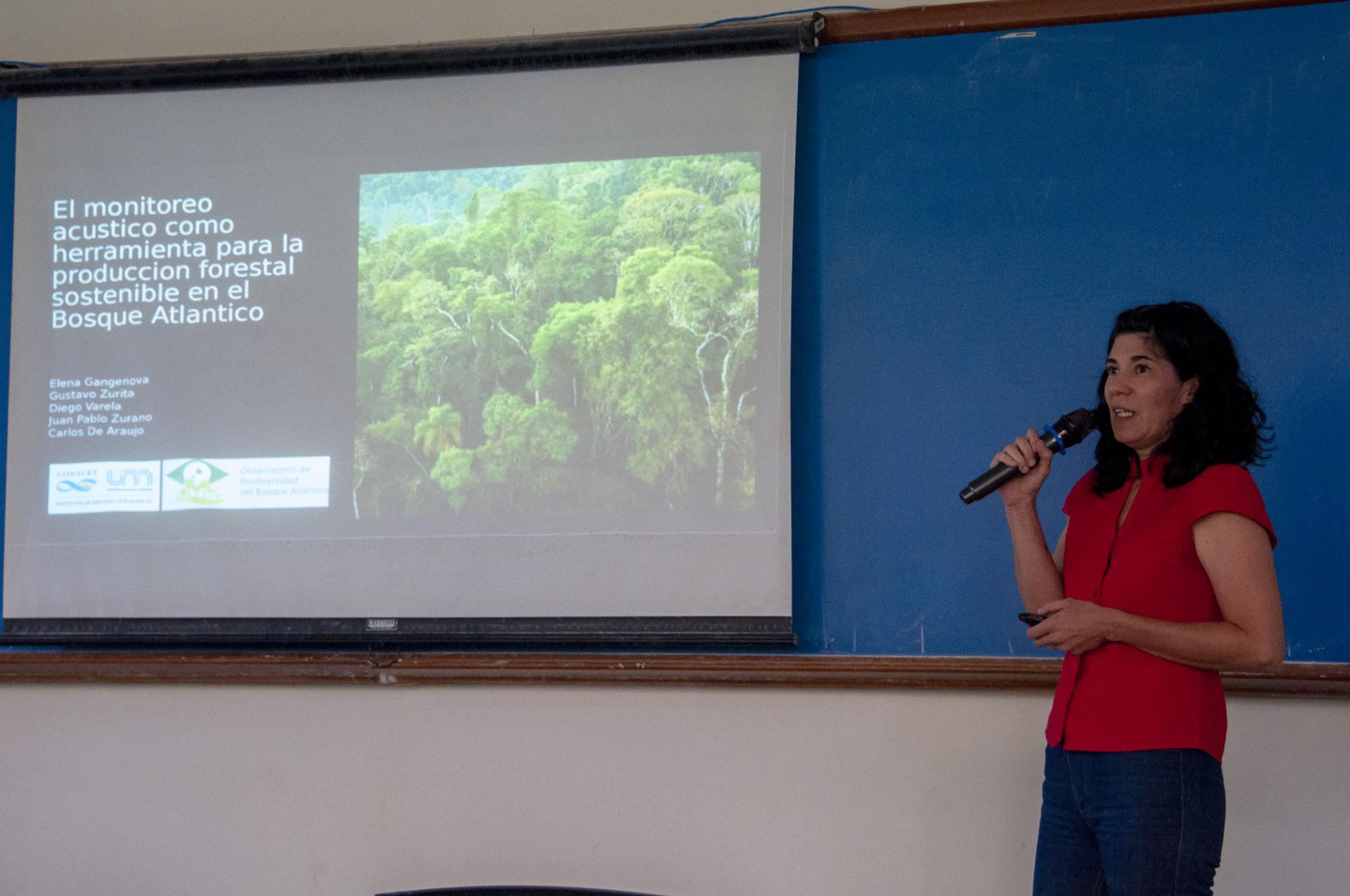
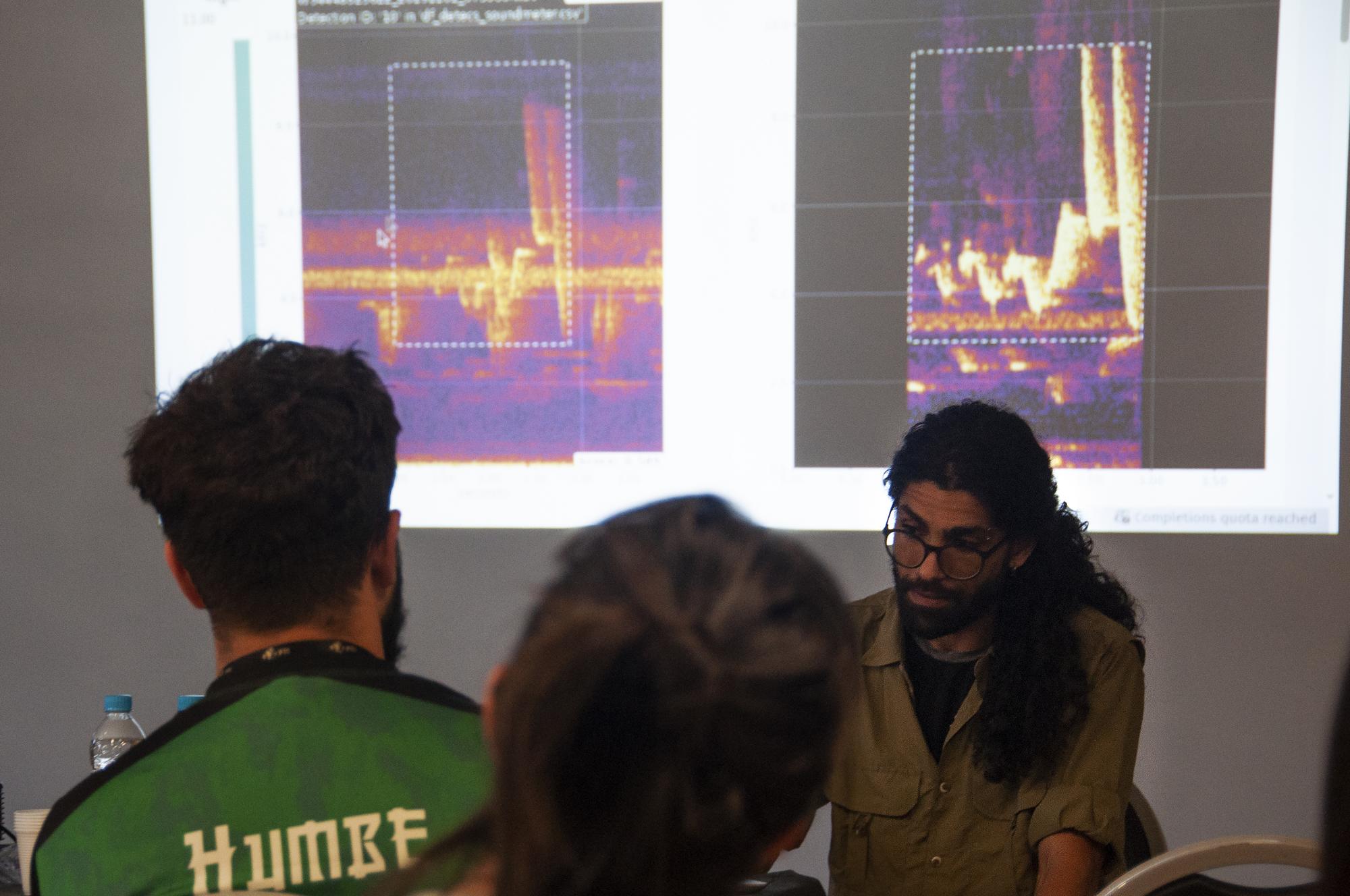
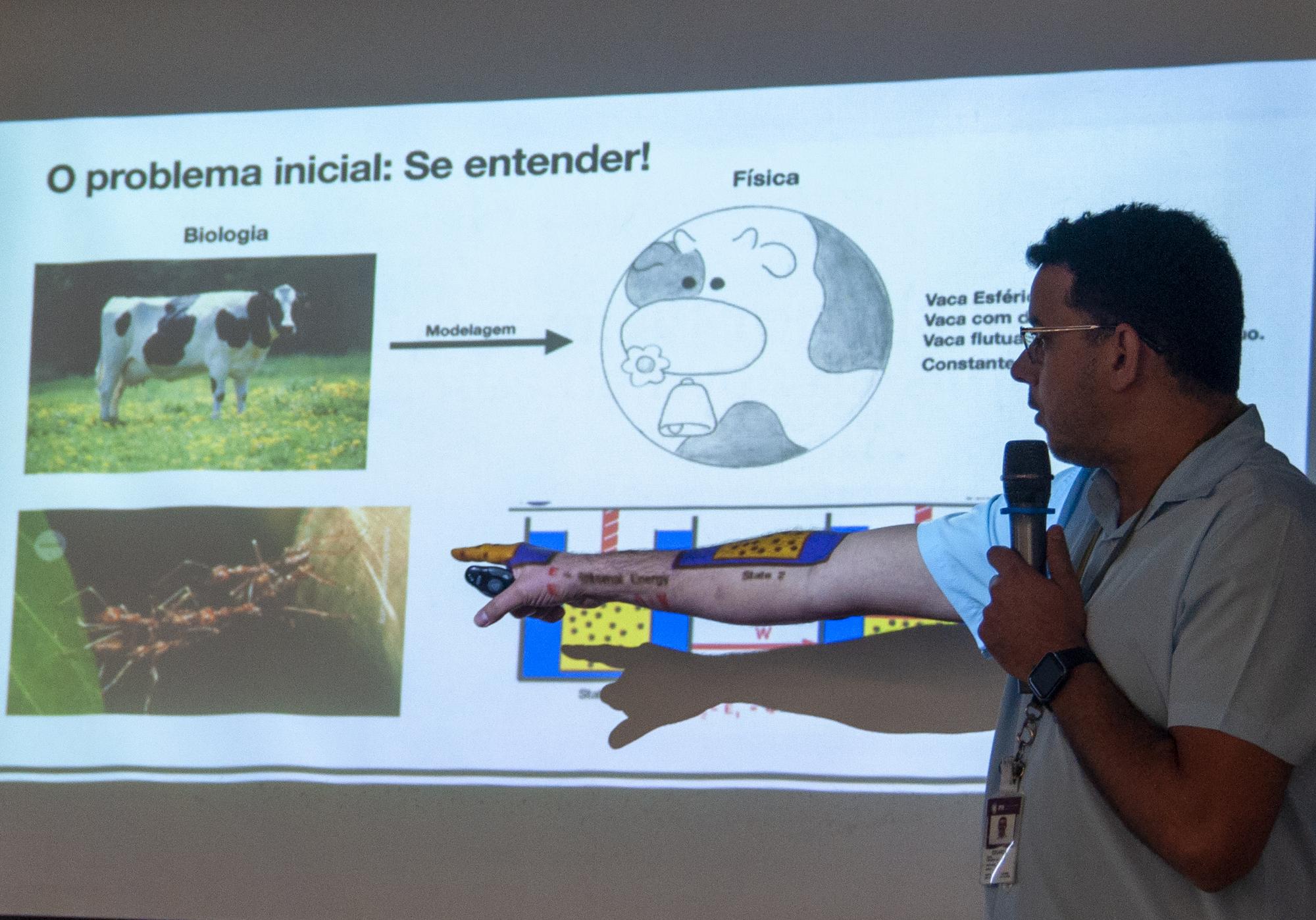
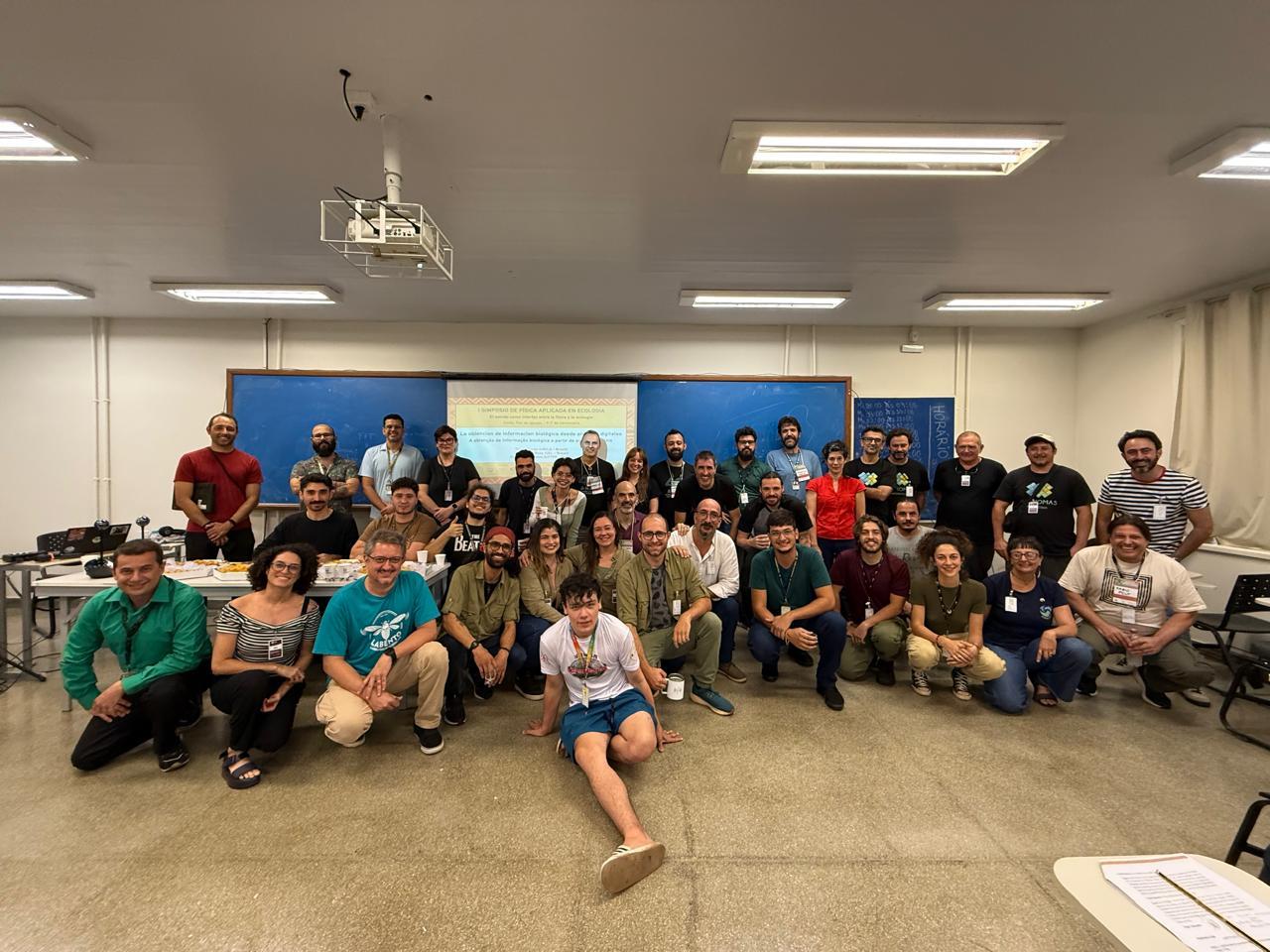
🌿 Project Update — November 2025
Sharing our experience at the Symposium on Physics Applied to Ecology and Conservation (Foz do Iguaçu, Brazil).
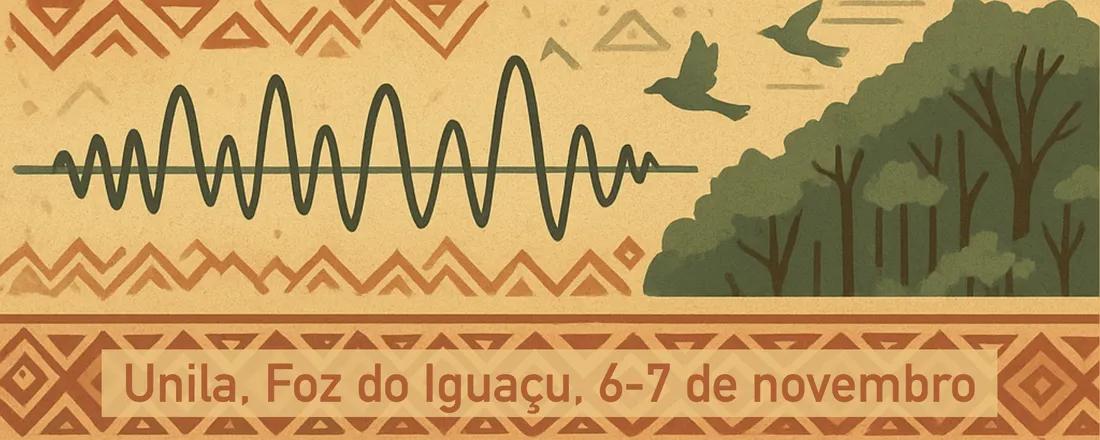
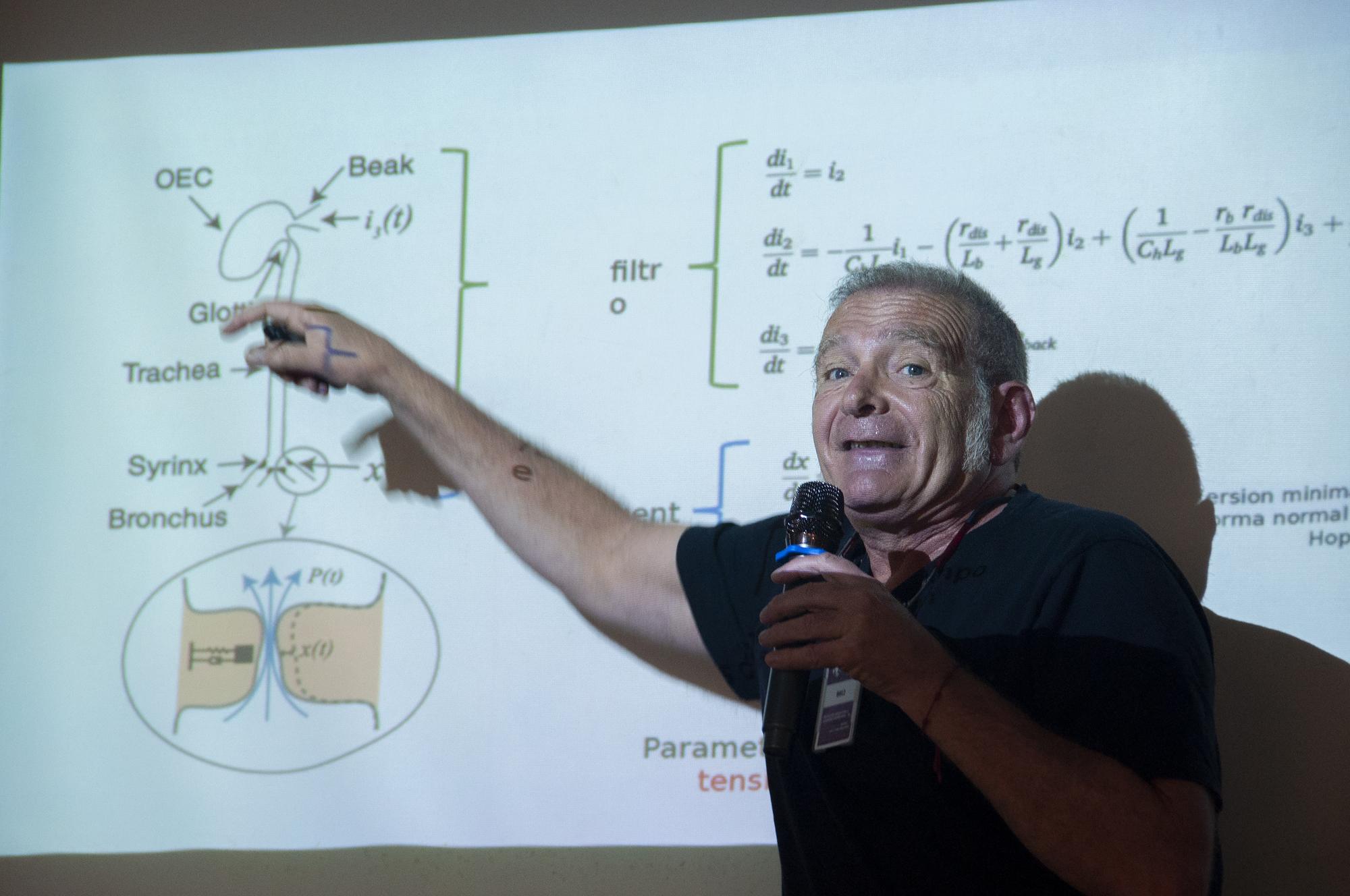
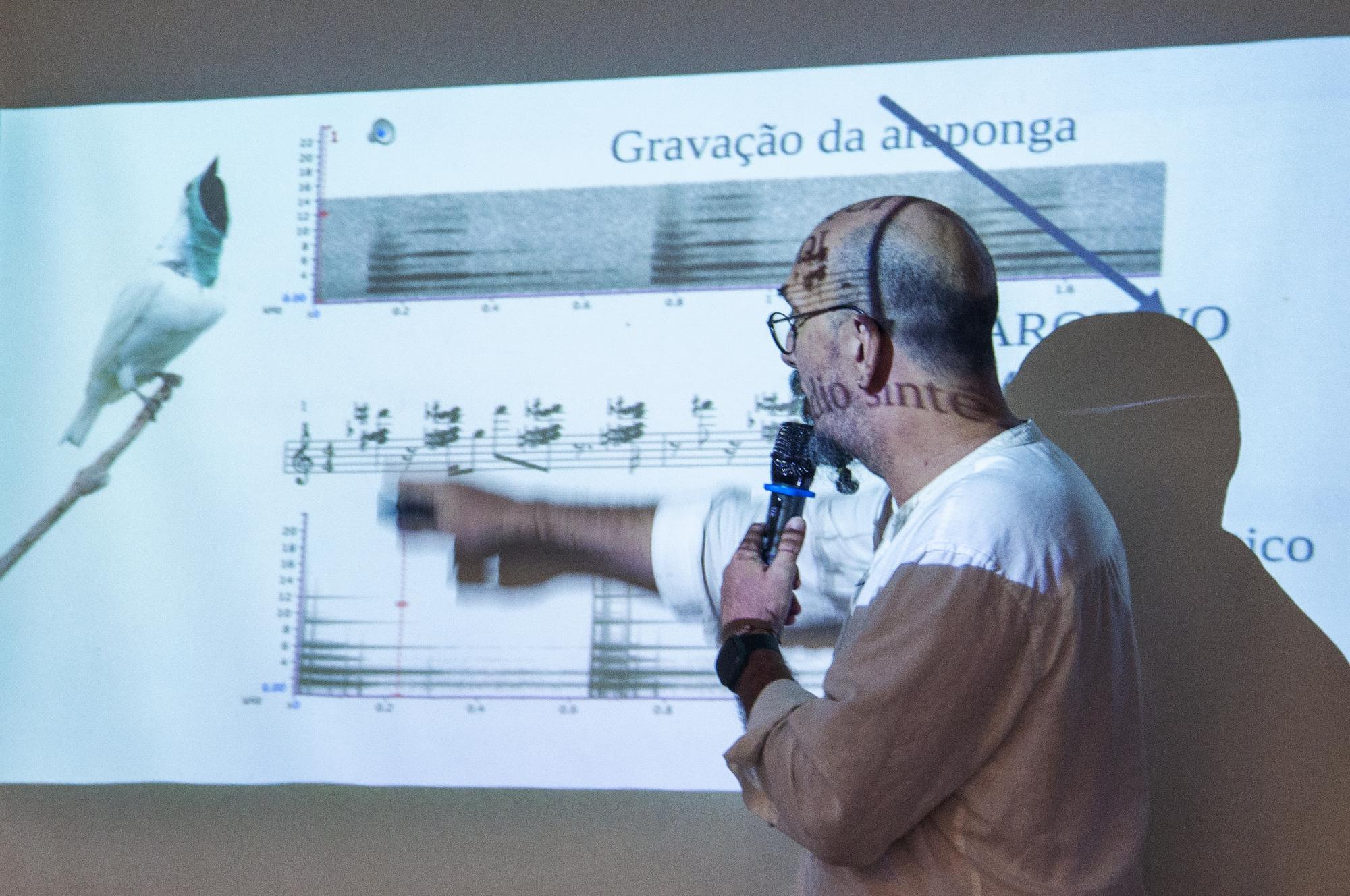
We’d like to thank Carlos Araujo for kindly inviting us to take part in the Symposium on Physics Applied to Ecology and Conservation, held on November 6–7, 2025, at the PTI Campus – Universidade Federal da Integração Latino-Americana (UNILA) in Foz do Iguaçu, Brazil.
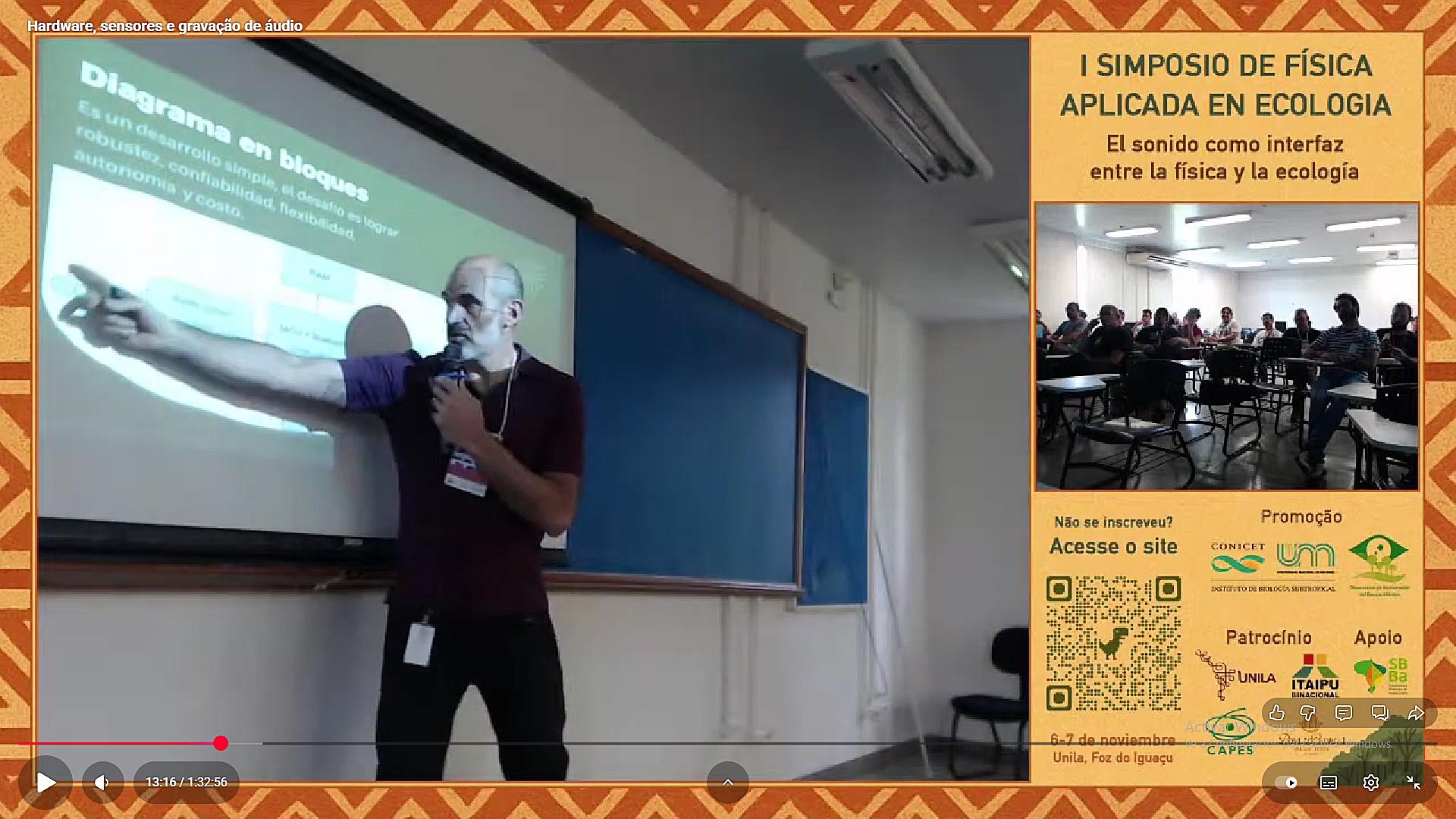
The event aimed to build bridges between researchers from different disciplines and countries, exploring how physics can support acoustic monitoring, ecological data collection, and biodiversity conservation.
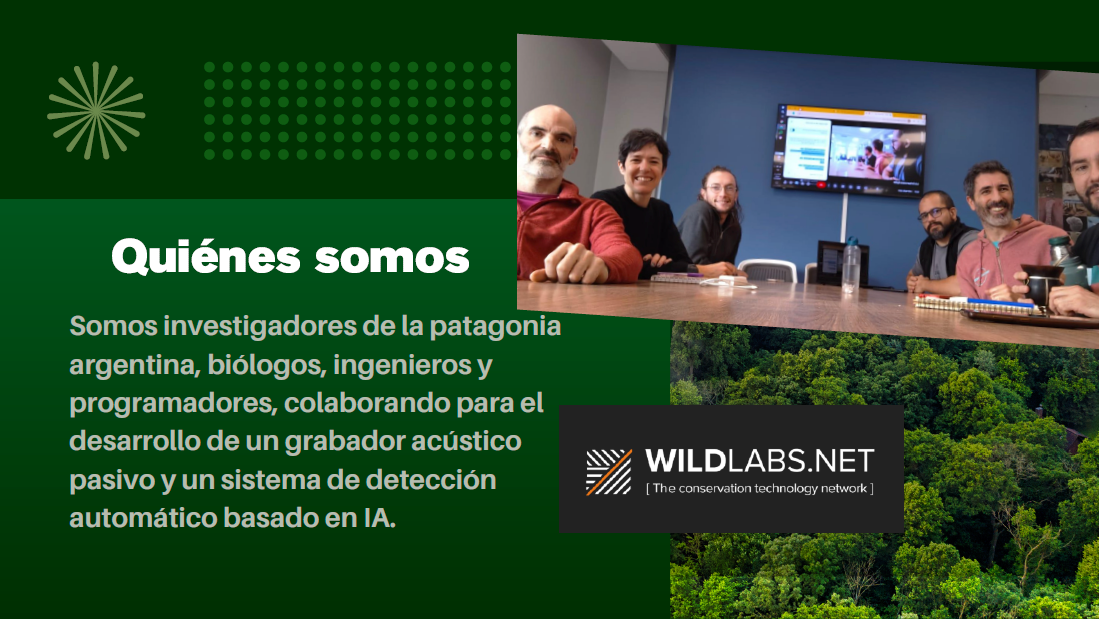
🎙️ We joined Roundtable 3 — Hardware, Sensors, and Audio Recording, where we discussed:
Open-source autonomous recorders for biodiversity monitoring.
Energy-efficient design and sensor integration.
Alternative battery types and power solutions (particularly relevant to our developments)
🎥 Watch the roundtable recording here.
It was also a great opportunity to share our experience and highlight the WildLabs community, connecting with colleagues working at the intersection of physics, ecology, and technology.
Seeking Connections with Chile’s Wildlife Conservation
11 August 2025 6:28pm
21 October 2025 9:09pm
Hi Esteban,
Thank you for reaching out and for sharing more about your work. I’m sorry for the delayed response; the past month has been quite full with design/creative work that I needed to focus on to sustain my explorations and self-funded conservation efforts.
Your work in southern Chile and the Snapshot Chile project sound very relevant, especially in remote areas where resources are limited.
It would be great to connect and have a conversation about your work and experiences.
Please feel free to reach me by email at [email protected] so we can arrange a chat if you like.
Take care,
Luciano
6 November 2025 3:58pm
Hello Luciano, my name is Jorge Valenzuela. I'm a veterinarian and I work for the National Forestry Corporation, which manages the national parks in northern Chile. I'm in charge of the conservation section in Tarapacá, northern Chile. I'm interested in using new technologies for biodiversity monitoring. We use SMART for patrols, camera traps, drones, and other tools. Best regards, and let's stay in touch.
11 November 2025 1:43am
Hi Jorge,
Thank you for your message! it would be great to know more about what are the challenges that you and your team face in monitoring these remote landscapes.
Please feel free to reach me by email at [email protected] so we can arrange a chat if you like. Or we continue here, whatever is best for you.
Take care,
Luciano
WILDLABS at Living Data 2025
Vanesa Reyes
and 2 more
7 November 2025 2:02pm
Leverage the growing wave of ecological data using AI image recognition

6 November 2025 9:55am
Seeking Circular Initiatives in South America
25 September 2025 10:15am
3 October 2025 4:10pm
Hi Caitlyn; my colleague Karina Fretes ([email protected]) is the regional manager of circular economy projects at our institution, Fundación Moisés Bertoni (www.mbertoni.org.py) , based in Paraguay. Her email is [email protected]
. You can write to her if you are interested in learning about that type of projects. Best regards.
Myriam Velázquez
Fundación Moisés Bertoni
30 October 2025 3:13pm
Hi Myriam, thank you so much for the recommendation, really appreciate it!
Uso de Kaleidoscope Pro para Auto ID de murciélagos (Nivel Intermedio)
29 October 2025 6:05pm
Introducción al uso de Kaleidoscope Pro para Murciélagos (Nivel principiante)
29 October 2025 6:03pm
19 February 2026 3:35am
Hi Anna!
Is there anything that sparks your curiosity, which I can address for you? Take a look at the upcoming day 2 and day 3 sessions, and if you see anything that intrigues you, please let me know! I'll happily join the session that aligns, and share your thoughts! ☺️
Kind regards,
Mandy