
Groups joined
Discussion Comments
Resources added

Blair Costelloe added a new Career Opportunity - "PhD position on bat acoustics and collective behavior" to Acoustics
Groups
Group
- Group Stats
-




- 503
- 199
Used to pick up signals from tracking gear on the ground, collect images of wildlife and habitats from the air, gather acoustic data with specialized hydrophones, or even collect snot samples from whales' blowholes, drones are capable of collecting high-resolution data quickly, noninvasively, and at relatively low cost.
🌍 Conservation technology is transforming how we protect wildlife, but are we thinking carefully enough about the risks? Drones, camera traps, GPS trackers, acoustic sensors, AI, and remote sensing have become essential tools for conservation practitioners around the world. They help us monitor species, detect threats, and respond faster than ever before. But these same technologies can also introduce unintended risks, and in some cases, can be exploited by those seeking to harm the very wildlife we're trying to protect. 🦏 Input now and/or join the discussions/research.
Group
- Group Stats
-







- 990
- 537
The WILDLABS Community Base is the ideal place to get oriented with the all that our community platform offers, hear about news and opportunities, and to meet new friends and collaborators.
- Latest Resource
- /
- Announcing the WILDLABS Awards 2026 Grantees
Learn about the 16 selected projects that are working to innovate, scale, and adopt conservation technology for this year’s WILDLABS Awards.
Group
- Group Stats
-



- 753
- 285
The Animal Movement Group is a collaborative community dedicated to advancing the study, monitoring, and conservation of animal movement. It provides a space for researchers, practitioners, and innovators to exchange knowledge, explore bio-logging approaches and data, and address conservation challenges linked to species mobility.
- Latest Resource
- /
- Wild Moves and Wild Album: New GBIF Data Portals for Animal Tracking and Camera Trap Data
New data portals are making it easier to discover and explore wildlife tracking and camera trap datasets from around the world.
Group
- Group Stats
-






- 574
- 256
- Latest Discussion
- Camera Trap Suggestions for Time-lapse Seabird Monitoring?
Just starting your conservation tech career path? Our Early Career group is the best place to network, chat about your master's projects, and seek advice from your peers and those who have been down this path before! Join now to get to know community members and students from around the world!
- Latest Resource
- /
- Introducing the 2026 Cohort: Women in Conservation Technology Programme, Tanzania 2026
We're delighted to announce the launch of our fourth Women in Conservation Technology Programme, in partnership with the Grumeti Fund and with support from the JRS Biodiversity Foundation. Join us in welcoming the 2026 cohort as they kick off the training with an in-person workshop in Tanzania this July!
Group
- Group Stats
-




- 723
- 388
Geospatial data and analysis are critical for conservation, from planning to implementation and measuring success. The Geospatial group focuses on all aspects of this field, from field surveys to remote sensing and data development/analysis to GIS systems. The ability to visualize and analyze spatial data underpins many areas of conservation, this group may serve as a landing point and gateway for those new to conservation technology.
🌍 Conservation technology is transforming how we protect wildlife, but are we thinking carefully enough about the risks? Drones, camera traps, GPS trackers, acoustic sensors, AI, and remote sensing have become essential tools for conservation practitioners around the world. They help us monitor species, detect threats, and respond faster than ever before. But these same technologies can also introduce unintended risks, and in some cases, can be exploited by those seeking to harm the very wildlife we're trying to protect. 🦏 Input now and/or join the discussions/research.
Group
- Group Stats
-



- 1406
- 620
Artificial intelligence is increasingly being used in the field to analyse information collected by wildlife conservationists, from camera traps and satellite images to audio recordings. AI can learn how to identify which photos out of thousands contain rare species; or pinpoint an animal call out of hours of field recordings - hugely reducing the manual labour required to collect vital conservation data. The AI For Conservation group is intended to unite and inspire all WILDLABS community members—whether already involved in AI for conservation, or not—to understand how to use and/or directly contribute to open-source research and development efforts.
- Latest Resource
- /
- Deep Voice - A Free Online Platform for AI-Based Marine Mammal Sound Detection and Classification
Passive acoustic monitoring floods marine researchers with data that can take months to annotate by hand, and the AI models that could help have long required Python setup, GitHub repos, and complex config files. Funded by the WILDLABS Awards 2025, Deep Voice removes that barrier with a free, public web app that turns marine mammal sound detection into a simple drag-and-drop task.
Group
- Group Stats
-






- 538
- 346
Conservation tech work doesn't stop after data is collected in the field. Equally as important to success is navigating data management and processing tools. For the many community members who deal with enormous datasets, this group will be an invaluable resource to trade advice, discuss workflows and tools, and share what works for you.
- Latest Resource
- /
- BAM (Biodiversity Around Me) widget
I am happy to introduce and share our new project BAM, to make open biodiversity data easily accessible to everyone, everywhere!
Group
- Group Stats
-



- 249
- 231
The East Africa Community is WILDLABS first regional hub. This group creates a space to foster connections and collaboration between conservation and technology players in the Silicon Savannah.
- Latest Resource
- /
- Introducing the 2026 Cohort: Women in Conservation Technology Programme, Tanzania 2026
We're delighted to announce the launch of our fourth Women in Conservation Technology Programme, in partnership with the Grumeti Fund and with support from the JRS Biodiversity Foundation. Join us in welcoming the 2026 cohort as they kick off the training with an in-person workshop in Tanzania this July!
Group
- Group Stats
-







- 438
- 252
Technology is changing and evolving faster than ever, and as it does, our community members are looking for the next big thing to revolutionize their conservation tech work. To chat about your favorite new tools that are just emerging in the field and discover innovations you haven't yet heard of, join this group!
🌍 Conservation technology is transforming how we protect wildlife, but are we thinking carefully enough about the risks? Drones, camera traps, GPS trackers, acoustic sensors, AI, and remote sensing have become essential tools for conservation practitioners around the world. They help us monitor species, detect threats, and respond faster than ever before. But these same technologies can also introduce unintended risks, and in some cases, can be exploited by those seeking to harm the very wildlife we're trying to protect. 🦏 Input now and/or join the discussions/research.
Group
- Group Stats
-





- 297
- 33
- Latest Discussion
- New "Human Dimensions" group on Wildlabs?
Over the last few years the conservation movement has been enthusiastically deploying new technologies that make it possible to observe and protect the natural world in ways once unimaginable. But are there any potential risks we need to consider as we deploy the new, exciting technologies?
🌍 Conservation technology is transforming how we protect wildlife, but are we thinking carefully enough about the risks? Drones, camera traps, GPS trackers, acoustic sensors, AI, and remote sensing have become essential tools for conservation practitioners around the world. They help us monitor species, detect threats, and respond faster than ever before. But these same technologies can also introduce unintended risks, and in some cases, can be exploited by those seeking to harm the very wildlife we're trying to protect. 🦏 Input now and/or join the discussions/research.
Group
- Group Stats
-






- 557
- 193
- Latest Discussion
- New "Human Dimensions" group on Wildlabs?
The Human–Wildlife Coexistence (HWC) group is a collaborative hub for conservationists, technologists, field researchers, entrepreneurs, and innovators exploring solutions to HWC globally. The group provides a space to share practical tools, pilot novel interventions, connect global communities, and amplify projects that help communities and wildlife coexist. The group emphasizes community voices, socio-economic challenges, and equitable resource sharing, ensuring human perspectives are understood alongside wildlife needs.
- Latest Resource
- /
- Synthesis of Insights / Learning session 14: Rights of Nature by Tribal and First Nations
Synthesis of insights of our 14th online learning session, using dialogue to explore the workings, developments, (im)possibilities, and emerging insights of diverse approaches and praxes for Co-creation with the More-than-Human world
Group
- Group Stats
-






- 523
- 324
- Latest Discussion
- Getting behavioral data out of datasets that weren't built for it
Want to talk about sensors that don't quite fit into any of our tech-specific groups? This is the place to post! From temperature and humidity to airflow and pressure sensors, there are many environmental sensing tools that can add valuable data to core conservation monitoring technologies. With the increasing availability of low-cost, open-source options, we've seen growing interest in integrating these kinds of low bandwidth sensors into existing tools. What kinds of sensors are you working with?
🌍 Conservation technology is transforming how we protect wildlife, but are we thinking carefully enough about the risks? Drones, camera traps, GPS trackers, acoustic sensors, AI, and remote sensing have become essential tools for conservation practitioners around the world. They help us monitor species, detect threats, and respond faster than ever before. But these same technologies can also introduce unintended risks, and in some cases, can be exploited by those seeking to harm the very wildlife we're trying to protect. 🦏 Input now and/or join the discussions/research.
Group
- Group Stats
-






- 516
- 154
This group is for anyone interested in open source technologies for ecology and conservation. We welcome contributions from both makers and users, whether active or prospective. Here, we believe that open source hardware, software, and data are key to conducting both rigorous and honorable science and research. It is a place to share novel or existing technologies, exchange resources, discuss new projects, ask for advice, find collaborators, advocate for adopting open source technologies, and share strategies for making them sustainable. Open Source Solutions naturally overlaps with existing WILDLABS groups, and we aim to embrace this overlap while maintaining our unique space for growth of Open Source Solutions as a priority in conservation science.
- Latest Resource
- /
- BAM (Biodiversity Around Me) widget
I am happy to introduce and share our new project BAM, to make open biodiversity data easily accessible to everyone, everywhere!
Group
- Group Stats
-





- 686
- 312
- Latest Discussion
- Getting behavioral data out of datasets that weren't built for it
This group is for anyone interested in applying software to conservation and wildlife research. Whether you're a developer eager to contribute to conservation or a newbie with valuable data and ideas but limited software experience, this group connects people with diverse expertise. It provides a space for asking questions, sharing resources, and staying informed about new technologies and best practices.
🌍 Conservation technology is transforming how we protect wildlife, but are we thinking carefully enough about the risks? Drones, camera traps, GPS trackers, acoustic sensors, AI, and remote sensing have become essential tools for conservation practitioners around the world. They help us monitor species, detect threats, and respond faster than ever before. But these same technologies can also introduce unintended risks, and in some cases, can be exploited by those seeking to harm the very wildlife we're trying to protect. 🦏 Input now and/or join the discussions/research.
Bookmarks
Keep track of the resources that matter to you! Collections let you save, organise, and share content from all over the WILDLABS community. Create your first collection by clicking on the bookmark icon wherever you see it.
My Courses
These are your in-progress and completed courses. Explore more courses through our catalogue.
To find courses you have created, see your "My Draft Content" or "My Content" tabs.
Settings
Blair Costelloe's Content
Careers
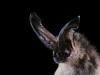
PhD position on bat acoustics and collective behavior

Blair Costelloe
PhD position available at the University of Konstanz in the Active Sensing Collective Group!
28 March 2025
Blair Costelloe's Comments