

Badges
Editing badges. Drag to reorder.




Groups joined
Discussions started
Discussion Comments
Resources added

Szilvia Szilagyi added a new External Link - "Still open for fundings" to Acoustics
Szilvia Szilagyi added a new External Link - "Women and GIS " to Acoustics

Szilvia Szilagyi contributed to Organisation - "Drone Design Lab "
Szilvia Szilagyi added a new Organisation - "Drone Design Lab "

Szilvia Szilagyi added a new Discussion - "Roe deer protection needed in Hungary, national government should stop funding hunting organizations - call for international support" to Acoustics
Szilvia Szilagyi added a new Discussion - "In what ways can drones contribute to linking individuals, communities, and small-scale producers in rural areas, facilitating the support of local food value chains" to Drones
Szilvia Szilagyi added a new Article - "Sustainable land managment" to Acoustics
Szilvia Szilagyi added a new External Link - "Geospatial data training and education for conservation" to Acoustics
Groups
Group
- Group Stats
-



- 753
- 285
The Animal Movement Group is a collaborative community dedicated to advancing the study, monitoring, and conservation of animal movement. It provides a space for researchers, practitioners, and innovators to exchange knowledge, explore bio-logging approaches and data, and address conservation challenges linked to species mobility.
- Latest Resource
- /
- Wild Moves and Wild Album: New GBIF Data Portals for Animal Tracking and Camera Trap Data
New data portals are making it easier to discover and explore wildlife tracking and camera trap datasets from around the world.
Group
- Group Stats
-




- 224
- 70
- Latest Resource
- /
- Boring Fund Report for Creating Global Open-Access Ground-Truth Datasets for Insect Monitoring
Improving the computer vision detection model for the Mothbox, an automatic insect monitoring tool from Dinalab
Group
- Group Stats
-





- 406
- 36
- Latest Discussion
- Custom Hydrophone Records Dolphins
Welcome to the official group forum for our virtual course, Build Your Own Data Logger. This is your space to engage with course instructors Akiba and Jacinta from Freaklabs, find help and resources for each module, collaborate and chat with your fellow course participants, and share your progress on your own Data Logger project!
- Latest Resource
- /
- Open-Source Solutions for Amphibian Passive Acoustic Monitoring: Lessons from Patagonia
Monitoring amphibians across the temperate forests of Patagonia presents significant logistical and technical challenges. Remote locations, harsh environmental conditions, and the large volumes of data generated by Passive Acoustic Monitoring (PAM) can make long-term biodiversity surveys difficult to implement and maintain. In addition, environmental data often relies on multiple independent devices, increasing costs, complexity, and logistical demands in remote field conditions. Through the WILDLABS Awards 2025, our team explored practical ways to address these challenges by combining open-source hardware, environmental sensing, and AI-assisted acoustic analysis.
Group
- Group Stats
-





- 926
- 304
- Latest Discussion
- Camera Trap Suggestions for Time-lapse Seabird Monitoring?
Looking for a place to discuss camera trap troubleshooting, compare models, collaborate with members working with other technologies like machine learning and bioacoustics, or share and exchange data from your camera trap research? Get involved in our Camera Traps group! All are welcome whether you are new to camera trapping, have expertise from the field to share, or are curious about how your skill sets can help those working with camera traps.
- Latest Resource
- /
- Practical Considerations for Camera Trap Photography
Trail Cameras & Custom Camera Traps: Technology, Ethics & Strategies for Success
Group
- Group Stats
-






- 486
- 149
- Latest Discussion
- TrailCam - Browser tool for preparing trail camera observations
Anyone can become a citizen scientist - even experts! If you're excited about exploring new areas of conservation tech, contributing to projects, or developing and launching your own citizen science projects or apps, this is the group for you.
- Latest Resource
- /
- Synthesis of Insights / Learning session 14: Rights of Nature by Tribal and First Nations
Synthesis of insights of our 14th online learning session, using dialogue to explore the workings, developments, (im)possibilities, and emerging insights of diverse approaches and praxes for Co-creation with the More-than-Human world
Group
- Group Stats
-





- 392
- 178
- Latest Discussion
- The Climate Change AI Virtual Summer School 2026!
There are educators everywhere working to teach and train the next generation of sustainability minded students. Whether in formal settings (K-12, undergraduate, graduate) settings or informally as science communication now it is more important than ever to work towards advancing Conservation Tech education. By working on interdisciplinary teams we can help develop teaching and training tools to help expand the field of Conservation Technology creation.
- Latest Resource
- /
- What Happens When Conservation Technology Leaves the Lab? Lessons from Training Rural Communities in the Brazilian Cerrado
Thanks to support from the WILDLABS Awards through the Boring Fund, funded by Arm, we were able to deliver a conservation technology training programme designed to make wildlife monitoring tools more accessible to rural communities.
Group
- Group Stats
-







- 990
- 537
The WILDLABS Community Base is the ideal place to get oriented with the all that our community platform offers, hear about news and opportunities, and to meet new friends and collaborators.
- Latest Resource
- /
- Announcing the WILDLABS Awards 2026 Grantees
Learn about the 16 selected projects that are working to innovate, scale, and adopt conservation technology for this year’s WILDLABS Awards.
Group
- Group Stats
-






- 538
- 346
Conservation tech work doesn't stop after data is collected in the field. Equally as important to success is navigating data management and processing tools. For the many community members who deal with enormous datasets, this group will be an invaluable resource to trade advice, discuss workflows and tools, and share what works for you.
- Latest Resource
- /
- BAM (Biodiversity Around Me) widget
I am happy to introduce and share our new project BAM, to make open biodiversity data easily accessible to everyone, everywhere!
Group
- Group Stats
-




- 503
- 199
Used to pick up signals from tracking gear on the ground, collect images of wildlife and habitats from the air, gather acoustic data with specialized hydrophones, or even collect snot samples from whales' blowholes, drones are capable of collecting high-resolution data quickly, noninvasively, and at relatively low cost.
🌍 Conservation technology is transforming how we protect wildlife, but are we thinking carefully enough about the risks? Drones, camera traps, GPS trackers, acoustic sensors, AI, and remote sensing have become essential tools for conservation practitioners around the world. They help us monitor species, detect threats, and respond faster than ever before. But these same technologies can also introduce unintended risks, and in some cases, can be exploited by those seeking to harm the very wildlife we're trying to protect. 🦏 Input now and/or join the discussions/research.
Group
- Group Stats
-





- 283
- 65
- Latest Discussion
- Looking To Utilize My Skillsets To Help
Welcome to the official group for our virtual course, Earth Observation 101. This is your space to engage with course instructor Dr Cristian Rossi, find help and resources for each module, collaborate and chat with your fellow course participants!
Group
- Group Stats
-





- 174
- 19
- Latest Discussion
- New "Human Dimensions" group on Wildlabs?
The world’s most endangered species are under threat from an unsuspecting source—the Internet. The Coalition to End Wildlife Trafficking Online launched this group in partnership with WILDLABS to create a space for discussing the technologies and partnerships that are pushing to turn the tide in the fight against trafficking in wildlife species and products online.
🌍 Conservation technology is transforming how we protect wildlife, but are we thinking carefully enough about the risks? Drones, camera traps, GPS trackers, acoustic sensors, AI, and remote sensing have become essential tools for conservation practitioners around the world. They help us monitor species, detect threats, and respond faster than ever before. But these same technologies can also introduce unintended risks, and in some cases, can be exploited by those seeking to harm the very wildlife we're trying to protect. 🦏 Input now and/or join the discussions/research.
Group
- Group Stats
-



- 235
- 146
- Latest Discussion
- Looking for partners: Improving conservation funding and reporting
The number one problem in nature conservation is the need for more money or access to funding. This group aims to help all WILDLABS community members with funding and financing their projects. The group is called Funding and Finance to draw attention to the possibilities of funding (i.e., grants, awards, and other gifts) and finance (loans and venture capital investment in nature conservation projects and start-ups). These topics should be seen in their wider contexts, including that of a project or organisation’s income or business model.
- Latest Resource
- /
- Announcing the WILDLABS Awards 2026 Grantees
Learn about the 16 selected projects that are working to innovate, scale, and adopt conservation technology for this year’s WILDLABS Awards.
Group
- Group Stats
-




- 723
- 388
Geospatial data and analysis are critical for conservation, from planning to implementation and measuring success. The Geospatial group focuses on all aspects of this field, from field surveys to remote sensing and data development/analysis to GIS systems. The ability to visualize and analyze spatial data underpins many areas of conservation, this group may serve as a landing point and gateway for those new to conservation technology.
🌍 Conservation technology is transforming how we protect wildlife, but are we thinking carefully enough about the risks? Drones, camera traps, GPS trackers, acoustic sensors, AI, and remote sensing have become essential tools for conservation practitioners around the world. They help us monitor species, detect threats, and respond faster than ever before. But these same technologies can also introduce unintended risks, and in some cases, can be exploited by those seeking to harm the very wildlife we're trying to protect. 🦏 Input now and/or join the discussions/research.
Group
- Group Stats
-




- 516
- 154
This group is for anyone interested in open source technologies for ecology and conservation. We welcome contributions from both makers and users, whether active or prospective. Here, we believe that open source hardware, software, and data are key to conducting both rigorous and honorable science and research. It is a place to share novel or existing technologies, exchange resources, discuss new projects, ask for advice, find collaborators, advocate for adopting open source technologies, and share strategies for making them sustainable. Open Source Solutions naturally overlaps with existing WILDLABS groups, and we aim to embrace this overlap while maintaining our unique space for growth of Open Source Solutions as a priority in conservation science.
- Latest Resource
- /
- BAM (Biodiversity Around Me) widget
I am happy to introduce and share our new project BAM, to make open biodiversity data easily accessible to everyone, everywhere!
Group
- Group Stats
-






- 686
- 312
- Latest Discussion
- Getting behavioral data out of datasets that weren't built for it
This group is for anyone interested in applying software to conservation and wildlife research. Whether you're a developer eager to contribute to conservation or a newbie with valuable data and ideas but limited software experience, this group connects people with diverse expertise. It provides a space for asking questions, sharing resources, and staying informed about new technologies and best practices.
🌍 Conservation technology is transforming how we protect wildlife, but are we thinking carefully enough about the risks? Drones, camera traps, GPS trackers, acoustic sensors, AI, and remote sensing have become essential tools for conservation practitioners around the world. They help us monitor species, detect threats, and respond faster than ever before. But these same technologies can also introduce unintended risks, and in some cases, can be exploited by those seeking to harm the very wildlife we're trying to protect. 🦏 Input now and/or join the discussions/research.
Group
- Group Stats
-






- 523
- 324
- Latest Discussion
- Getting behavioral data out of datasets that weren't built for it
Want to talk about sensors that don't quite fit into any of our tech-specific groups? This is the place to post! From temperature and humidity to airflow and pressure sensors, there are many environmental sensing tools that can add valuable data to core conservation monitoring technologies. With the increasing availability of low-cost, open-source options, we've seen growing interest in integrating these kinds of low bandwidth sensors into existing tools. What kinds of sensors are you working with?
🌍 Conservation technology is transforming how we protect wildlife, but are we thinking carefully enough about the risks? Drones, camera traps, GPS trackers, acoustic sensors, AI, and remote sensing have become essential tools for conservation practitioners around the world. They help us monitor species, detect threats, and respond faster than ever before. But these same technologies can also introduce unintended risks, and in some cases, can be exploited by those seeking to harm the very wildlife we're trying to protect. 🦏 Input now and/or join the discussions/research.
Group
- Group Stats
-




- 233
- 125
- Latest Discussion
- Getting behavioral data out of datasets that weren't built for it
Protected area management systems empower essential frontline conservationists to monitor wildlife and ecosystems in real-time. With tools like SMART, EarthRanger, and Esri's Conservation Land Management toolkit, users can collect, integrate, and display data from across landscapes to ensure that key information from the field gets to decision-makers in time to make a difference. This group is the place for new and experienced users of these tools alike to ask questions, share experiences, and work together to improve their effectiveness in critical conservation landscapes around the world.
🌍 Conservation technology is transforming how we protect wildlife, but are we thinking carefully enough about the risks? Drones, camera traps, GPS trackers, acoustic sensors, AI, and remote sensing have become essential tools for conservation practitioners around the world. They help us monitor species, detect threats, and respond faster than ever before. But these same technologies can also introduce unintended risks, and in some cases, can be exploited by those seeking to harm the very wildlife we're trying to protect. 🦏 Input now and/or join the discussions/research.
Group
- Group Stats
-






- 286
- 103
Welcome to the home of the Women in Conservation Technology Programme (WiCT)! This is a space for the women and mentors involved in the programme to keep in touch, share updates and resources, and problem solve together! Drop into our group to say hello and keep in touch with the programme and participants.
- Latest Resource
- /
- Introducing the 2026 Cohort: Women in Conservation Technology Programme, Tanzania 2026
We're delighted to announce the launch of our fourth Women in Conservation Technology Programme, in partnership with the Grumeti Fund and with support from the JRS Biodiversity Foundation. Join us in welcoming the 2026 cohort as they kick off the training with an in-person workshop in Tanzania this July!
Group
- Group Stats
-




- 341
- 156
- Latest Discussion
- New "Human Dimensions" group on Wildlabs?
Wildlife crime is a complicated challenge, so it's no wonder that the conservation technology community has explored solutions with every type of technology, all with the aim of predicting, preventing, and stopping crimes like poaching, illegal logging and fishing, and the sale of animal products like ivory. Join our Wildlife Crime group to meet others who are working on potential solutions to this global challenge and to add your own expertise to the conversation!
🌍 Conservation technology is transforming how we protect wildlife, but are we thinking carefully enough about the risks? Drones, camera traps, GPS trackers, acoustic sensors, AI, and remote sensing have become essential tools for conservation practitioners around the world. They help us monitor species, detect threats, and respond faster than ever before. But these same technologies can also introduce unintended risks, and in some cases, can be exploited by those seeking to harm the very wildlife we're trying to protect. 🦏 Input now and/or join the discussions/research.
Group
- Group Stats
-






- 297
- 33
- Latest Discussion
- New "Human Dimensions" group on Wildlabs?
Over the last few years the conservation movement has been enthusiastically deploying new technologies that make it possible to observe and protect the natural world in ways once unimaginable. But are there any potential risks we need to consider as we deploy the new, exciting technologies?
🌍 Conservation technology is transforming how we protect wildlife, but are we thinking carefully enough about the risks? Drones, camera traps, GPS trackers, acoustic sensors, AI, and remote sensing have become essential tools for conservation practitioners around the world. They help us monitor species, detect threats, and respond faster than ever before. But these same technologies can also introduce unintended risks, and in some cases, can be exploited by those seeking to harm the very wildlife we're trying to protect. 🦏 Input now and/or join the discussions/research.
Bookmarks
¡Mantén un registro de los recursos que te interesan! Las colecciones te permiten guardar, organizar y compartir contenido de toda la comunidad de WILDLABS. Crea tu primera colección haciendo clic en el icono del marcador.
My Courses
These are your in-progress and completed courses. Explore more courses through our catalogue.
To find courses you have created, see your "My Draft Content" or "My Content" tabs.
Settings
Szilvia Szilagyi's Content
Link
Still open for fundings

Szilvia Szilagyi
Still unfunded, we are looking for a lab office, materials, used instruments and to create our educational basement.
17 July 2025
Link
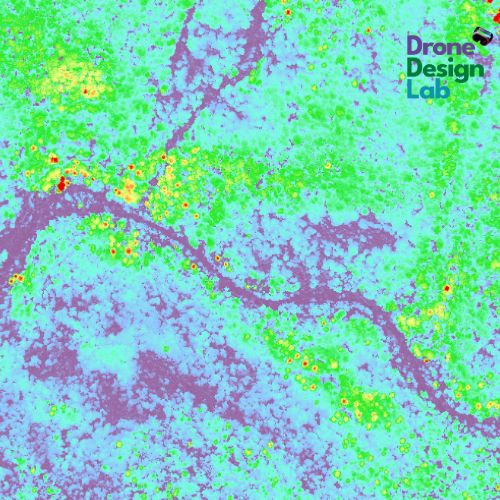
Women and GIS
Szilvia Szilagyi
Empower GIS day, 20th of November 2024 Welcome to join over the globe
9 October 2024
Discussion
According to Bern Convention, The European Roe deer - Capreolus capreolus, is protected fauna species Annex III, however in Hungary is legal...
7 October 2024
Discussion
In what ways can drones contribute to linking individuals, communities, and small-scale producers in rural areas, facilitating the support of local food value chains?
15 December 2023
Article
Sustainable land managment
Szilvia Szilagyi
How to engage decision makers for a more sustainable land management for both citizens and landowners in developing countries.
15 December 2023
Link
Geospatial data training and education for conservation
Szilvia Szilagyi
Sharing our startup's webpage, featuring information about our services and products. We are open for new partnership, collaboration R&D project in the field of GIS data analysis.
15 December 2023
Szilvia Szilagyi commented on "Looking to connect: data scientist diving into conservation"