
Groups joined
Groups
Group
- Group Stats
-






- 718
- 388
- Latest Discussion
- ADD SOME QGIS ZHUSH
Geospatial data and analysis are critical for conservation, from planning to implementation and measuring success. The Geospatial group focuses on all aspects of this field, from field surveys to remote sensing and data development/analysis to GIS systems. The ability to visualize and analyze spatial data underpins many areas of conservation, this group may serve as a landing point and gateway for those new to conservation technology.
🌍 Conservation technology is transforming how we protect wildlife, but are we thinking carefully enough about the risks? Drones, camera traps, GPS trackers, acoustic sensors, AI, and remote sensing have become essential tools for conservation practitioners around the world. They help us monitor species, detect threats, and respond faster than ever before. But these same technologies can also introduce unintended risks, and in some cases, can be exploited by those seeking to harm the very wildlife we're trying to protect. 🦏 Input now and/or join the discussions/research.
Group
- Group Stats
-




- 918
- 303
- Latest Discussion
- Our first Lynx
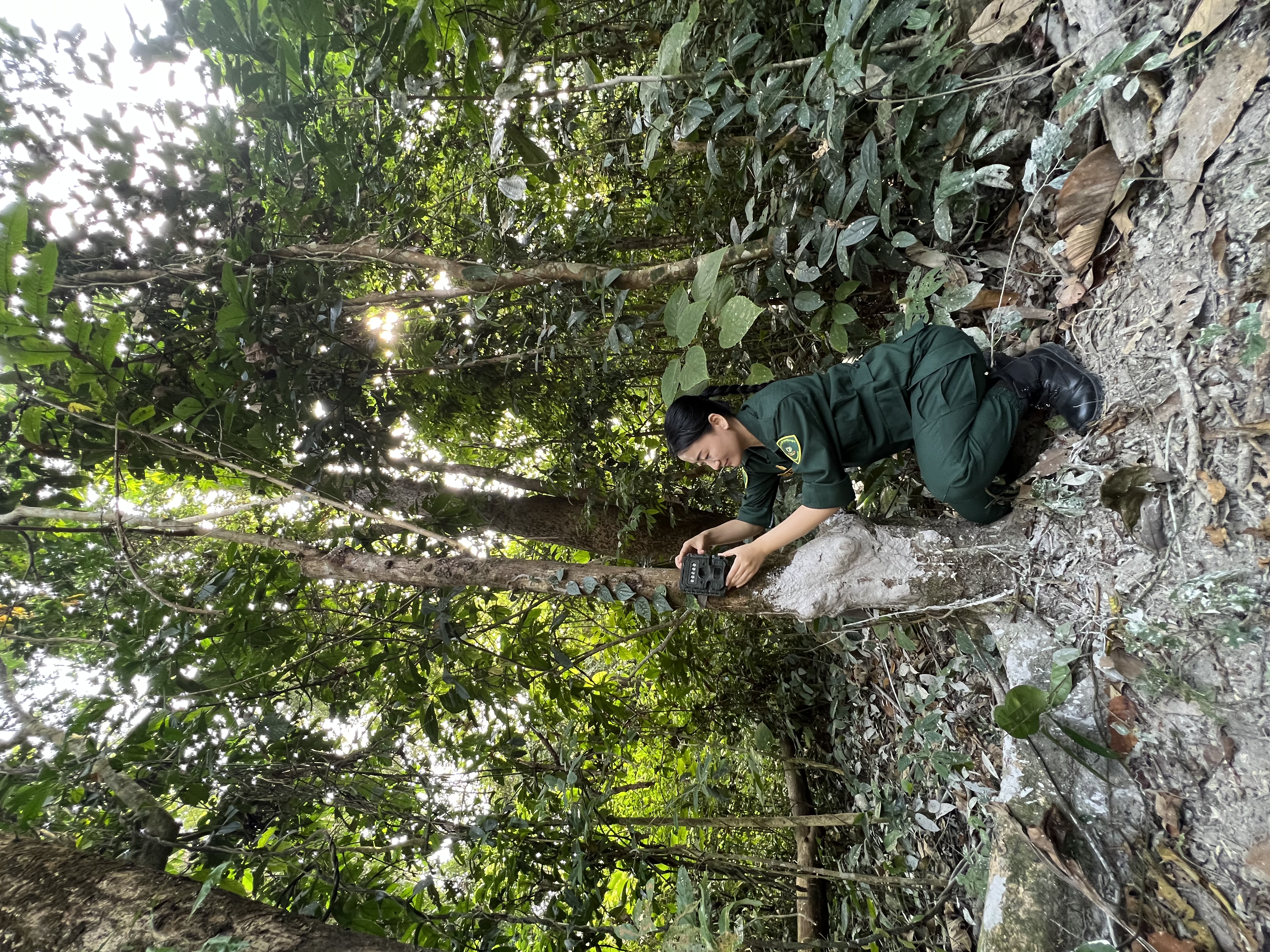
Looking for a place to discuss camera trap troubleshooting, compare models, collaborate with members working with other technologies like machine learning and bioacoustics, or share and exchange data from your camera trap research? Get involved in our Camera Traps group! All are welcome whether you are new to camera trapping, have expertise from the field to share, or are curious about how your skill sets can help those working with camera traps.
- Latest Resource
- /
- Practical Considerations for Camera Trap Photography
Trail Cameras & Custom Camera Traps: Technology, Ethics & Strategies for Success
Group
- Group Stats
-






- 555
- 193
- Latest Discussion
- New "Human Dimensions" group on Wildlabs?
The Human–Wildlife Coexistence (HWC) group is a collaborative hub for conservationists, technologists, field researchers, entrepreneurs, and innovators exploring solutions to HWC globally. The group provides a space to share practical tools, pilot novel interventions, connect global communities, and amplify projects that help communities and wildlife coexist. The group emphasizes community voices, socio-economic challenges, and equitable resource sharing, ensuring human perspectives are understood alongside wildlife needs.
- Latest Resource
- /
- Upcoming Learning Session July15: “Wildlife Tracking for Connection”
Join us for our 15th learning session on Wednesday, July 15 at 6 pm CEST | 5 pm BST | 12 pm EDT | 9 am PDT | 9:30 pm IST (Co-creation with the More-than-Human sandbox) Register on EventBrite (free, 1 hr): https://www.eventbrite.co.uk/e/wildlife-tracking-for-connection-learning-session-tickets-1992174556727?aff=oddtdtcreator
Group
- Group Stats
-




- 278
- 103
- Latest Discussion
- Women in Conservation Forum: 3 Weeks Today!!
Welcome to the home of the Women in Conservation Technology Programme (WiCT)! This is a space for the women and mentors involved in the programme to keep in touch, share updates and resources, and problem solve together! Drop into our group to say hello and keep in touch with the programme and participants.
- Latest Resource
- /
- Introducing the 2026 Cohort: Women in Conservation Technology Programme, Tanzania 2026
We're delighted to announce the launch of our fourth Women in Conservation Technology Programme, in partnership with the Grumeti Fund and with support from the JRS Biodiversity Foundation. Join us in welcoming the 2026 cohort as they kick off the training with an in-person workshop in Tanzania this July!
Group
- Group Stats
-





- 563
- 256
Just starting your conservation tech career path? Our Early Career group is the best place to network, chat about your master's projects, and seek advice from your peers and those who have been down this path before! Join now to get to know community members and students from around the world!
- Latest Resource
- /
- Introducing the 2026 Cohort: Women in Conservation Technology Programme, Tanzania 2026
We're delighted to announce the launch of our fourth Women in Conservation Technology Programme, in partnership with the Grumeti Fund and with support from the JRS Biodiversity Foundation. Join us in welcoming the 2026 cohort as they kick off the training with an in-person workshop in Tanzania this July!
Group
- Group Stats
-





- 533
- 345
- Latest Discussion
- Getting behavioral data out of datasets that weren't built for it
Conservation tech work doesn't stop after data is collected in the field. Equally as important to success is navigating data management and processing tools. For the many community members who deal with enormous datasets, this group will be an invaluable resource to trade advice, discuss workflows and tools, and share what works for you.
- Latest Resource
- /
- Wild Moves and Wild Album: New GBIF Data Portals for Animal Tracking and Camera Trap Data
New data portals are making it easier to discover and explore wildlife tracking and camera trap datasets from around the world.
Group
- Group Stats
-




- 497
- 197
Used to pick up signals from tracking gear on the ground, collect images of wildlife and habitats from the air, gather acoustic data with specialized hydrophones, or even collect snot samples from whales' blowholes, drones are capable of collecting high-resolution data quickly, noninvasively, and at relatively low cost.
🌍 Conservation technology is transforming how we protect wildlife, but are we thinking carefully enough about the risks? Drones, camera traps, GPS trackers, acoustic sensors, AI, and remote sensing have become essential tools for conservation practitioners around the world. They help us monitor species, detect threats, and respond faster than ever before. But these same technologies can also introduce unintended risks, and in some cases, can be exploited by those seeking to harm the very wildlife we're trying to protect. 🦏 Input now and/or join the discussions/research.
Group
- Group Stats
-






- 174
- 19
- Latest Discussion
- New "Human Dimensions" group on Wildlabs?
The world’s most endangered species are under threat from an unsuspecting source—the Internet. The Coalition to End Wildlife Trafficking Online launched this group in partnership with WILDLABS to create a space for discussing the technologies and partnerships that are pushing to turn the tide in the fight against trafficking in wildlife species and products online.
🌍 Conservation technology is transforming how we protect wildlife, but are we thinking carefully enough about the risks? Drones, camera traps, GPS trackers, acoustic sensors, AI, and remote sensing have become essential tools for conservation practitioners around the world. They help us monitor species, detect threats, and respond faster than ever before. But these same technologies can also introduce unintended risks, and in some cases, can be exploited by those seeking to harm the very wildlife we're trying to protect. 🦏 Input now and/or join the discussions/research.
Bookmarks
Keep track of the resources that matter to you! Collections let you save, organise, and share content from all over the WILDLABS community. Create your first collection by clicking on the bookmark icon wherever you see it.
My Courses
These are your in-progress and completed courses. Explore more courses through our catalogue.
To find courses you have created, see your "My Draft Content" or "My Content" tabs.
Karma Choki's Comments
Be part of the conversation! Once you've joined a discussion in the community, your comments will show up here.