
Groups joined
Discussion Comments

Paul Day commented on "Welcome to WILDLABS! "
 3 months ago
Groups
Group
- Group Stats
-




- 995
- 538
The WILDLABS Community Base is the ideal place to get oriented with the all that our community platform offers, hear about news and opportunities, and to meet new friends and collaborators.
- Latest Resource
- /
- WILDLABS en français !
Après l'espagnol, nous sommes ravis d'annoncer que la plateforme est maintenant disponible en français!
Group
- Group Stats
-



- 950
- 405
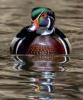
Acoustic is one of our biggest and most active groups, with members collecting, analysing, and interpreting acoustic data from across species, ecosystems, and applications, from animal vocalizations to sounds from our natural and built environment.
- Latest Resource
- /
- Open-Source Solutions for Amphibian Passive Acoustic Monitoring: Lessons from Patagonia
Monitoring amphibians across the temperate forests of Patagonia presents significant logistical and technical challenges. Remote locations, harsh environmental conditions, and the large volumes of data generated by Passive Acoustic Monitoring (PAM) can make long-term biodiversity surveys difficult to implement and maintain. In addition, environmental data often relies on multiple independent devices, increasing costs, complexity, and logistical demands in remote field conditions. Through the WILDLABS Awards 2025, our team explored practical ways to address these challenges by combining open-source hardware, environmental sensing, and AI-assisted acoustic analysis.
Group
- Group Stats
-



- 489
- 151
- Latest Discussion
- TrailCam - Browser tool for preparing trail camera observations
Anyone can become a citizen scientist - even experts! If you're excited about exploring new areas of conservation tech, contributing to projects, or developing and launching your own citizen science projects or apps, this is the group for you.
- Latest Resource
- /
- Synthesis of Insights / Learning session 14: Rights of Nature by Tribal and First Nations
Synthesis of insights of our 14th online learning session, using dialogue to explore the workings, developments, (im)possibilities, and emerging insights of diverse approaches and praxes for Co-creation with the More-than-Human world
Group
- Group Stats
-



- 407
- 36
- Latest Discussion
- Custom Hydrophone Records Dolphins
Welcome to the official group forum for our virtual course, Build Your Own Data Logger. This is your space to engage with course instructors Akiba and Jacinta from Freaklabs, find help and resources for each module, collaborate and chat with your fellow course participants, and share your progress on your own Data Logger project!
- Latest Resource
- /
- Open-Source Solutions for Amphibian Passive Acoustic Monitoring: Lessons from Patagonia
Monitoring amphibians across the temperate forests of Patagonia presents significant logistical and technical challenges. Remote locations, harsh environmental conditions, and the large volumes of data generated by Passive Acoustic Monitoring (PAM) can make long-term biodiversity surveys difficult to implement and maintain. In addition, environmental data often relies on multiple independent devices, increasing costs, complexity, and logistical demands in remote field conditions. Through the WILDLABS Awards 2025, our team explored practical ways to address these challenges by combining open-source hardware, environmental sensing, and AI-assisted acoustic analysis.
Group
- Group Stats
-




- 172
- 80
- Latest Discussion
- Lessons from building offline-first conservation apps on remote islands
Advancements in communications networks that connect sensors and enable data retrieval across landscapes are revolutionizing conservation fieldwork. As the infrastructure that helps our core tools talk to each other in even the most remote places, the importance of connectivity cannot be overstated. Whatever solutions you're working with - and on whatever scale - this group is the place to discuss all things related to connectivity in conservation, from fiber-optic cables to LoRa to Swarm.
- Latest Resource
- /
- Synthesis of Insights / Learning session 14: Rights of Nature by Tribal and First Nations
Synthesis of insights of our 14th online learning session, using dialogue to explore the workings, developments, (im)possibilities, and emerging insights of diverse approaches and praxes for Co-creation with the More-than-Human world
Bookmarks
Keep track of the resources that matter to you! Collections let you save, organise, and share content from all over the WILDLABS community. Create your first collection by clicking on the bookmark icon wherever you see it.
My Courses
These are your in-progress and completed courses. Explore more courses through our catalogue.
To find courses you have created, see your "My Draft Content" or "My Content" tabs.
Paul Day commented on "Spectrolipi - A tool for sound data annotation."