
Badges
Editing badges. Drag to reorder.

Groups joined
Discussion Comments
Groups
Group
- Group Stats
-





- 947
- 404
- Latest Discussion
- Loaning Bioacoustics Recorders
Acoustic is one of our biggest and most active groups, with members collecting, analysing, and interpreting acoustic data from across species, ecosystems, and applications, from animal vocalizations to sounds from our natural and built environment.
- Latest Resource
- /
- Open-Source Solutions for Amphibian Passive Acoustic Monitoring: Lessons from Patagonia
Monitoring amphibians across the temperate forests of Patagonia presents significant logistical and technical challenges. Remote locations, harsh environmental conditions, and the large volumes of data generated by Passive Acoustic Monitoring (PAM) can make long-term biodiversity surveys difficult to implement and maintain. In addition, environmental data often relies on multiple independent devices, increasing costs, complexity, and logistical demands in remote field conditions. Through the WILDLABS Awards 2025, our team explored practical ways to address these challenges by combining open-source hardware, environmental sensing, and AI-assisted acoustic analysis.
Group
- Group Stats
-





- 406
- 36
- Latest Discussion
- Custom Hydrophone Records Dolphins
Welcome to the official group forum for our virtual course, Build Your Own Data Logger. This is your space to engage with course instructors Akiba and Jacinta from Freaklabs, find help and resources for each module, collaborate and chat with your fellow course participants, and share your progress on your own Data Logger project!
- Latest Resource
- /
- Open-Source Solutions for Amphibian Passive Acoustic Monitoring: Lessons from Patagonia
Monitoring amphibians across the temperate forests of Patagonia presents significant logistical and technical challenges. Remote locations, harsh environmental conditions, and the large volumes of data generated by Passive Acoustic Monitoring (PAM) can make long-term biodiversity surveys difficult to implement and maintain. In addition, environmental data often relies on multiple independent devices, increasing costs, complexity, and logistical demands in remote field conditions. Through the WILDLABS Awards 2025, our team explored practical ways to address these challenges by combining open-source hardware, environmental sensing, and AI-assisted acoustic analysis.
Group
- Group Stats
-







- 434
- 169
- Latest Discussion
- Engineer Searching for Biologists
Bringing together many of our community's tech types like bioacoustics, biologging, drones, remote sensing, machine learning, and more, the Marine Conservation group is a meeting point to begin innovative collaborations and answer difficult questions.
🌍 Conservation technology is transforming how we protect wildlife, but are we thinking carefully enough about the risks? Drones, camera traps, GPS trackers, acoustic sensors, AI, and remote sensing have become essential tools for conservation practitioners around the world. They help us monitor species, detect threats, and respond faster than ever before. But these same technologies can also introduce unintended risks, and in some cases, can be exploited by those seeking to harm the very wildlife we're trying to protect. 🦏 Input now and/or join the discussions/research.
Group
- Group Stats
-






- 156
- 20
- Latest Discussion
- Looking To Utilize My Skillsets To Help
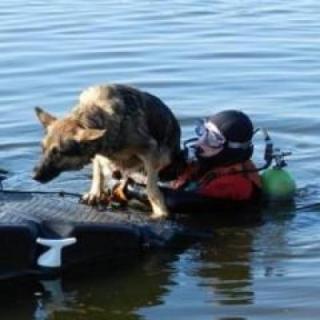
Conservation dogs are making a difference in conservation through their noninvasive ability to detect elusive species in the wild, flag illegal wildlife trade products, and help poachers fight wildlife crime. Whether you work with conservation dogs, you're interested in incorporating them into your work, or you just want to learn about how dogs can support and enhance conservation technology's effectiveness, you're in the right place!
🌍 Conservation technology is transforming how we protect wildlife, but are we thinking carefully enough about the risks? Drones, camera traps, GPS trackers, acoustic sensors, AI, and remote sensing have become essential tools for conservation practitioners around the world. They help us monitor species, detect threats, and respond faster than ever before. But these same technologies can also introduce unintended risks, and in some cases, can be exploited by those seeking to harm the very wildlife we're trying to protect. 🦏 Input now and/or join the discussions/research.
Bookmarks
Keep track of the resources that matter to you! Collections let you save, organise, and share content from all over the WILDLABS community. Create your first collection by clicking on the bookmark icon wherever you see it.
My Courses
These are your in-progress and completed courses. Explore more courses through our catalogue.
To find courses you have created, see your "My Draft Content" or "My Content" tabs.
Robert Bell's Comments