
Curadores del grupo

Anna Vallery
- @annavallery
- | she/her

Viktor Domazetoski
- @ViktorDo
- | he/him
Josh Seltzer
- @jyseltz
- | He/him
Con las nuevas tecnologías que revolucionan la recopilación de datos, los investigadores de vida silvestre tienen cada vez más capacidad para recopilar volúmenes de datos mucho mayores que nunca. Ahora nos enfrentamos al reto de aprovechar esta información, incorporando la ciencia del big data al ámbito de la conservación. Con la ayuda de herramientas de aprendizaje automático, este campo ofrece un inmenso potencial para las prácticas de conservación. Las aplicaciones abarcan desde alertas de tráfico en línea hasta sistemas de alerta temprana específicos para cada especie, pasando por el monitoreo eficiente del movimiento y la biodiversidad, y mucho más.
Sin embargo, el proceso de desarrollo de herramientas eficaces de aprendizaje automático depende de grandes cantidades de datos de entrenamiento estandarizados, y los conservacionistas actualmente carecen de un sistema establecido para la estandarización. Cómo desarrollar mejor dicho sistema e incentivar el intercambio de datos son preguntas prioritarias en este trabajo. Actualmente existen múltiples iniciativas de conservación basadas en IA, entre ellas Wildlife Insights y WildBook, que son aplicaciones pioneras en este frente.
Este grupo es el lugar perfecto para resolver todas tus dudas sobre IA, sin importar tu nivel de habilidad o experiencia previa. Encontrarás recursos, conocerás a otros miembros con preguntas similares y a expertos que podrán responderlas, y participarás en interesantes oportunidades de colaboración. El grupo IA para la Conservación ofrece un espacio dedicado a:
- Disciplinas de puente:Crear un espacio donde ecologistas, conservacionistas y científicos ambientales puedan conectarse con científicos informáticos, investigadores y profesionales de inteligencia artificial para abordar desafíos compartidos.
- Conocimientos avanzados: Compartir y discutir investigaciones, estudios de casos y mejores prácticas en la intersección de la inteligencia artificial y la conservación.
- Educación: Proporcionar recursos educativos que ayuden a los ecologistas a comprender los métodos de IA y sus casos de uso e inspiren a los expertos en IA a aprender sobre aplicaciones ecológicas.
- Facilitar la colaboración: Ofrecer recursos y oportunidades de networking que permitan a los investigadores de IA y a los profesionales de la conservación desarrollar conjuntamente soluciones con un impacto en la conservación en el mundo real.
¿Acabas de empezar con la IA en conservación? Consulta nuestro tutorial de introducción, ¿Cómo entreno mi primer modelo de aprendizaje automático? con Daniel Situnayake y nuestra reunión virtual en Grandes datos. Si vienes del lado más técnico de IA/ML, Sara Beery gestiona un canal de Slack sobre IA para la conservación que podría interesarte. Envíale un mensaje para invitarla.
Imagen de encabezado: Dra. Claire Burke/ @CBurkeSci

Explora los conceptos básicos: IA
Comprender las posibilidades de incorporar nuevas tecnologías a tu trabajo puede resultar abrumador. Con tantas herramientas disponibles, tantos recursos que mantener al día y tantos proyectos innovadores en marcha en todo el mundo y en nuestra comunidad, es fácil perder de vista cómo y por qué estas nuevas tecnologías son importantes y cómo pueden aplicarse prácticamente a tus proyectos.
El aprendizaje automático tiene un enorme potencial en la tecnología de conservación, ¡y sus aplicaciones crecen cada día! Pero la contrapartida de ese potencial es una gran curva de aprendizaje, o al menos eso les parece a quienes se inician en esta poderosa herramienta.
Para ayudarlo a explorar el potencial de la IA (y prepararse para algunos de nuestros próximos eventos con temática de IA), hemos compilado recursos, conversaciones y videos simples y clave para resaltar las posibilidades:
Tres recursos para principiantes:
- Todo lo que sé sobre aprendizaje automático y cámaras trampa, Dan Morris | Biblioteca de recursos, cámaras trampa y aprendizaje automático
- Uso de la visión artificial para proteger especies en peligro de extinción, Kasim Rafiq | Aprendizaje automático, análisis de datos y grandes felinos
- Recurso: WildID | WildID
Tres hilos del foro para principiantes:
- Creé una herramienta de código abierto para ayudarte a ordenar imágenes de cámaras trampa. | Peter Gyurov, Cámaras trampa
- Buscando ayuda con la captura de jaguares con cámaras: Software para identificación de especies y creación de bases de datos | Carmina Gutiérrez, IA para la conservación
Tres tutoriales para principiantes:
- ¿Cómo puedo empezar a utilizar el aprendizaje automático en mis cámaras trampa? | Sara Beery, Tutores de tecnología
- ¿Cómo entreno mi primer modelo de aprendizaje automático? | Daniel Situnayake, Tutores de tecnología
- Big Data en la conservación | Dave Thau, Dan Morris, Sarah Davidson, Reuniones virtuales
¿Quieres saber más sobre IA o que los expertos de la comunidad WILDLABS respondan a tus preguntas sobre aprendizaje automático? ¡Únete a la conversación en nuestro grupo de IA para la Conservación!
Curadores del grupo
- @annavallery
- | she/her
Seabird biologist experienced in research and applied conservation. Dedicated to conducting and using innovative research to inform conservation decisions.


- 6 Recursos
- 9 Discusiones
- 8 Grupos
- @ViktorDo
- | he/him
PhD student at University of Exeter & University of Queensland. Interested in researching AI and its responsible application to Ecology, Environmental Monitoring and Nature Conservation.
- 0 Recursos
- 2 Discusiones
- 6 Grupos
- @jyseltz
- | He/him
Independent researcher working in open-source AI, based in BC & Panamá.


- 1 Recursos
- 3 Discusiones
- 9 Grupos
Aún no se han agregado destacados a este grupo.
- @LucyD
- | She/They
Backend engineer and data scientist with an ecology and conservation twist


- 0 Recursos
- 3 Discusiones
- 10 Grupos

- @carlybatist
- | she/her
ecoacoustics, biodiversity monitoring, nature tech


- 133 Recursos
- 373 Discusiones
- 19 Grupos

- @StephODonnell
- | She / Her
Tech, Sustainable Finance at World Bank & CFA (prev. Founder WILDLABS)


- 197 Recursos
- 670 Discusiones
- 31 Grupos
Aerospace Engineering student with a passion for conservation and ecology. Here to learn more about the field and get inspiration for personal projects.
- 0 Recursos
- 2 Discusiones
- 6 Grupos

- @crazybirdguy
- | Him
Field Biologist at Yayasan Cikananga Konservasi Terpadu, Indonesia, with experience and interest mainly in ornithology, citizen science and bioaccoustic
- 0 Recursos
- 11 Discusiones
- 12 Grupos

World Wide Fund for Nature/ World Wildlife Fund (WWF)
I work to deploy and scale conservation technologies, including AI-enabled camera traps and eDNA tools, to help practitioners monitor and protect biodiversity more effectively.
- 2 Recursos
- 3 Discusiones
- 7 Grupos

MSc student in Advanced Engineering for Robotics & AI. AI projects on camera traps and edge bioacoustics for bird mapping. Nat Geo & Nature Conservancy marine conservation externship alumnus.


- 1 Recursos
- 33 Discusiones
- 4 Grupos

- @poLoNes
- | He/him
Wildlife enthusiast from Brazil. I use trail cameras as a hobby and am developing a free tool to create visual reports and metrics from iNaturalist trail camera records.
- 0 Recursos
- 7 Discusiones
- 4 Grupos
Post Ecology PhD, MSc in Applied Ecology, MSc in Global Wildlife Conservation & Wildlife Health
- 0 Recursos
- 3 Discusiones
- 3 Grupos
Conservationist | Ecologist| Geospatial Scientist
- 0 Recursos
- 1 Discusiones
- 12 Grupos

I love to share my passion for Electronics, Machine Learning and Data Analysis through personal projects

- 3 Recursos
- 24 Discusiones
- 3 Grupos

- @Aurel
- | She/Her
Looking to reconcile biodiversity conservation and finance.
- 2 Recursos
- 1 Discusiones
- 10 Grupos
Artículo
Deep Voice - A Free Online Platform for AI-Based Marine Mammal Sound Detection and Classification

Michael Moshe Michelashvili
Passive acoustic monitoring floods marine researchers with data that can take months to annotate by hand, and the AI models that could help have long required Python setup, GitHub repos, and complex config files. Funded...
5 July 2026
Financiamiento
RFauna Rover Fundraiser

Viyan Patel
Students building a autonomous rover to track signals that interfere with animals.
3 July 2026
Carreras

The People and Nature Lab at UCL East is recruiting a Lecturer / Associate Professor in AI for Biodiversity Science.
24 Junio 2026
Carreras
Job Opportunity: Amazon.ia Program Manager

Carla Mere
Amazon.ia: Inteligencia Ambiental, the working name for a multi-partner initiative to produce timely, actionable intelligence on biodiversity that drives effective conservation and restoration across the Amazon, is...
22 Junio 2026
Carreras
Consider applying if you have a passion for conservation, low-powered hardware, edge-AI, and embedded systems.
18 Junio 2026
Carreras
Full Stack Developer - Conservation X Labs
Dante Wasmuht
Conservation X Labs is looking for an awesome Full-Stack Developer!
18 Junio 2026
Global map of the dominant driver of tree cover loss at 0.01° resolution (~1km) for the period 2001-2025. This is the latest update for this dataset.
13 Junio 2026
Enlace
Shippy
Elsa
First free and transparent AI agent for real-time maritime domain awareness. Now inviting early adopters to shape its future.
10 Junio 2026
Carreras
Biodiversity Monitoring Scientist

Tom August
This role would suit someone with a background in ecology or environmental science who enjoys combining fieldwork, data analysis, and applied research to support real-world environmental outcomes.
8 Junio 2026
Artículo

Monitoring amphibians across the temperate forests of Patagonia presents significant logistical and technical challenges. Remote locations, harsh environmental conditions, and the large volumes of data generated by...
4 Junio 2026
Artículo

Thanks to support from the WILDLABS Awards through the Boring Fund, funded by Arm, we were able to deliver a conservation technology training programme designed to make wildlife monitoring tools more accessible to rural...
3 Junio 2026
Carreras
Ecologist (Postdoctoral Research Fellow), IS-0408-09

Lacey Hughey
The Smithsonian’s National Zoo & Conservation Biology Institute (in collaboration with Duke Farms, a center of the Doris Duke Foundation) is seeking a postdoctoral researcher to lead the development of next-gen...
1 Junio 2026
Julio 2026

Agosto 2026

Septiembre 2026

Junio 2026
evento
Rebekka Stutz
Mayo 2026
evento

Shir Bar
88 Products
Recently updated products
18 Products
Recently updated products
| Descripción | Actividad | Respuestas | Grupos | Actualizado |
|---|---|---|---|---|
| This is a great project! Some comments:RaspberryPI though accessible is not the best fit for video pipelines and AI workloads or off grid deployments:- it lacks onboard ISP which... |
+22
|
IA para la Conservación, Cámaras Trampa Autónomas para Insectos, Cámaras Trampa, Edge Computing | 20 horas 24 minutos ago | |
| Super to hear your numbers. Thanks! |
+9
|
IA para la Conservación | 3 días 6 horas ago | |
| Thank you for sharing. |
|
IA para la Conservación, Cámaras Trampa | 3 días 23 horas ago | |
| Here's a recent video of a Racoon dog and her young filmed at Lammi Biological Station recently. I'd be interested to hear your review. How helpful is this for your... |
|
IA para la Conservación, Movimiento Animal, Cámaras Trampa, Data Management & Mobilisation, Geoespacial, Herramientas para la Gestión de Áreas Protegidas, Sensores, Desarrollo de Software | 4 días 23 horas ago | |
| 🌍 ¡La Summer School Climate Change AI está de vuelta (19 de julio – 22 de agosto de 2026) y las inscripciones ya están abiertas!... |
|
IA para la Conservación, Cambio Climático, Capacitación y Educación en Tecnología para la Conservación, Comunidad Latinoamericana | 1 semana 1 día ago | |
| Thank you so much Luke! |
+20
|
IA para la Conservación, Cámaras Trampa, Edge Computing | 1 semana 2 días ago | |
| Hello,This is an incredible initiative, and exactly the kind of practical AI application that can make a huge impact in the conservation space!As an AI Solutions Architect based... |
+9
|
IA para la Conservación, Base Comunitaria | 3 semanas 2 días ago | |
| That is so cool! Love the video! |
|
Acústica, IA para la Conservación, Comunidad Latinoamericana, Soluciones de Código Abierto | 4 semanas 1 día ago | |
| Spectrolipi is a tool for visualizing sound, annotating spectrograms, and exporting ML‑ready acoustic datasets.Spectrolipi V2.0.0... |
|
Acústica, IA para la Conservación, Desarrollo de Software | 1 mes ago | |
| Hi! As Open Science Conservation Fund are happy to contribute with Trapper, scalable, open-source and AI-driven camera trap data infrastructure. https://os-conservation.org/... |
+1
|
IA para la Conservación | 1 mes 1 semana ago | |
| Hello Sam, please check if this is what you are looking for in this link:https://youtu.be/f8Q2oDPwwIw Regards, Tim [email protected]... |
|
IA para la Conservación | 1 mes 3 semanas ago | |
| @annavallery here's the article with geospatial-ish highlights in case you're interested: https://wildlabs.net/en/article/wildlabs-geospatial-group-ictc-2026. Let me know if... |
|
IA para la Conservación, Movimiento Animal, Cámaras Trampa, Ciencia Ciudadana, Base Comunitaria, Data Management & Mobilisation, Drones, Tecnologías Emergentes, Ética de la Tecnología para la Conservación, Human-Wildlife Coexistence, Comunidad Latinoamericana, Herramientas para la Gestión de Áreas Protegidas, Crimen contra la Vida Silvestre | 1 mes 3 semanas ago |























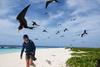

Mini AI Wildlife Monitor
25 Junio 2025 12:27pm
5 July 2026 5:19pm
Wow, what a great project.

8 July 2026 8:36pm
This is a great project! Some comments:
RaspberryPI though accessible is not the best fit for video pipelines and AI workloads or off grid deployments:
- it lacks onboard ISP which means either software implemented ISP, distorted data or on camera non energy optimized ISP.
- it lacks any power management techniques, low power modes, etc.
- it runs from SDCard using the same one for OS, swap and data, any corruption can lead to full loss.
- it runs any AI/ML workload on CPU which is extremely non efficient and any addon accelerators such as Hailo8 add a lot to power consumption and heat dissipation representing more challenges.
The advantages are of course plenty of documentation, community and all kind of makers addons, hats, etc.
For something more realistic, real life suitable I would suggest using something based on SoC with integrated NPU such as Hailo 15, Renesas RZ/V, Synaptics SL1680, MediaTek Genio or even the I.MX8M Plus for very light AI/ML workload. All of these have variety of SBCs, kits or even standalone smart camera oriented designs available from different vendors.
Anyone using Microsoft Sparrow?
18 Junio 2026 12:39am
22 June 2026 3:52pm
@rahul.dodhia wow I would love to work on that! It sounds like Sparrow Studio is not open source yet? But, in the meantime, I think if this was going to be a successful fork or plugin anyways I would need to be more familiar with the codebase and it's best practices.
If you think of a smaller task that could help me learn how best to work with the community and software I would be excited to to contribute!
6 July 2026 9:48am
looking forward to this discussions too. Exploring the use of sparrow and in case our use case succeeds, we'll share feedback too.

6 July 2026 10:24am
Super to hear your numbers. Thanks!
Building the perfect camera trap (Guide)
17 February 2025 8:06am
23 February 2025 8:11am
Hey Bob, thanks for the kind words! Your articles on Winterberry Wildlife have really been a big inspiration for me! There are extremely limited numbers of articles on trial cameras, and you have some nice in-depth hardware level which I have been reading 😊
You are completely right about the battery life and trigger speed tradeoff. If I remember right, there are a few cameras which offered “real time” images but in return the battery was drained in a few days and people started to complain on forums. In early stages of development there is also much about limiting the services at boot, as you mention putting the camera function as early in the boot sequence as possible, creating your own camera configs and so on.
29 June 2026 9:01pm
Great guide — this is exactly the kind of resource the community needs. A few additions from a hardware embedded perspective that might be worth including:
On PIR sensors — the standard Fresnel lens + PIR combination has a fundamental limitation in hot environments: when ambient temperature approaches body temperature (~35°C in African savannah), the thermal contrast between the animal and the background drops dramatically and trigger reliability degrades. This is worth calling out explicitly for tropical and arid deployments, where the standard PIR may miss animals during the hottest part of the day. Some teams have moved to passive radar (Doppler microwave) as an alternative trigger for hot environments — less species-selective but more temperature-independent.
On power architecture — one thing I'd add to the component deep-dive is the power switching circuit. Most commercial cameras use a simple battery holder with no protection. For DIY builds, a proper battery management IC with overcurrent protection, low-voltage cutoff, and reverse polarity protection adds almost no cost but prevents a lot of field failures, especially when using lithium primaries in extreme temperatures.
On IR illumination — the choice between 850nm (faint red glow, better image quality) and 940nm (truly invisible, lower image quality, shorter range) is well covered in most guides, but what's often missed is thermal management of the IR LEDs themselves. High-power IR LEDs run hot and can significantly raise the enclosure temperature in a sealed housing — worth mentioning as a factor in enclosure thermal design, particularly for cameras that run night-long video.
On the shift away from hardware — curious what drove that decision. Was it the enclosure/thermal challenges, the PIR reliability issue, or something else entirely?
5 July 2026 5:17pm
Thank you for sharing.

Deep Voice - A Free Online Platform for AI-Based Marine Mammal Sound Detection and Classification
5 July 2026 4:03pm
Getting behavioral data out of datasets that weren't built for it
16 Junio 2026 3:49pm

22 June 2026 9:33am
HI
This what I am trying currently todo
I have already some algorithms and some monitoring set up in development
feel free to reach me maybe we could join forces
28 June 2026 10:12pm
This thread is exactly the conversation I was hoping to start - thank you all.
Janelle, your point about context is the crux of it. A crocodile with its mouth open could be thermoregulating, resting, or hunting, and the still frame alone won't tell you which - it's the surrounding signals (eyes, posture, what else is in the scene) that disambiguate. That's the whole problem in miniature: behavior isn't legible without context, and most datasets strip the context out. I love your reframe of observer bias as signal, too - the order in which individuals approach and explore a new camera is behavioral data, not just noise to wait out. And it points at exactly where I think this goes: no single stream is enough. Thermal, acoustic, eDNA, movement - layered together, you start to reconstruct a scene rather than just catalog detections.
Kim, the continuous thermal deployment you're describing is the kind of capture I'd love to understand better - sustained, passive, weatherproof is where the rare and off-frame behaviors actually live. Would be curious how much behavioral signal you're seeing in that data vs. presence/absence.
Henri, your bee work is striking - we're clearly circling the same core idea from different systems. I'd be glad to compare notes; I'll follow up directly.
More soon - this is the good stuff.
Maggie
4 July 2026 5:32pm
Here's a recent video of a Racoon dog and her young filmed at Lammi Biological Station recently.
I'd be interested to hear your review. How helpful is this for your behavioral use cases ?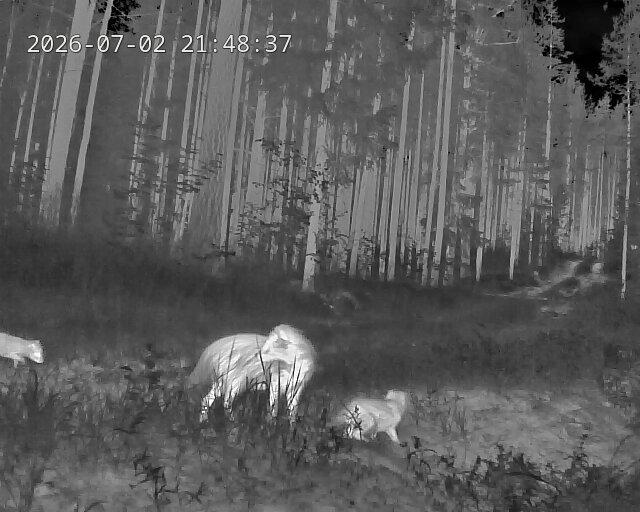
Below is the video link
https://youtu.be/G-pSfN1jqdc
RFauna Rover Fundraiser
3 July 2026 7:38pm
Climate Change AI Virtual Summer School 2026
1 July 2026 3:15pm
Escuela de verano "The Climate Change AI Virtual Summer School 2026"
30 Junio 2026 6:35pm
AI Edge Compute Based Wildlife Detection
23 February 2025 5:24am
30 June 2026 2:06am
I find the performance of micro-nano sized models that run on MCUs impractical for many applications. This is due to the low FPS, tiny Image resolution processed and very low model capacity.
I think people underestimate the huge jump in complexity from something working on the benchtop detecting a person from a meter away to trying to detect a cat-size object several meters away in a noisy environment.
30 June 2026 6:59am
Well stated Luca. Totally with you on this.

30 June 2026 2:04pm
Thank you so much Luke!
July Vibe Coding Party
29 Junio 2026 2:59pm
29 June 2026 3:07pm
@JonathanYardley If you're still interested! :)
Lecturer / Associate Professor in AI for Biodiversity Science
24 Junio 2026 2:23am
Job Opportunity: Amazon.ia Program Manager
22 Junio 2026 2:42pm
Senior Hardware Product Development Engineer - Conservation X Labs
18 Junio 2026 4:42pm
Full Stack Developer - Conservation X Labs
18 Junio 2026 3:37pm
Imageomics Institute: FloraPalooza, August 2026
17 Junio 2026 4:49pm
What questions would you ask an AI agent for conservation tech?
8 July 2025 5:49pm
6 June 2026 11:31pm
Elionai - your point about lessons from past deployments and "what tends to fail first" really resonates. I think that gap between ideal-condition performance and what actually holds up in the field is one of the most underrated questions in this whole space.
I'm building something that integrates environmental monitoring, so I'd love to pick your brain on the edge/deployment side. Messaging you to connect!

7 June 2026 6:48pm
I would probably ask: “If your code basically does not allow you to take harmful actions, what should you do if you are provided with irrefutable proof that your existence, supported by components built and developed with “rare minerals” extracted from conflict areas is actually harming and destroying indigenous communities and biodiversity?”
15 June 2026 10:08pm
Hello,
This is an incredible initiative, and exactly the kind of practical AI application that can make a huge impact in the conservation space!
As an AI Solutions Architect based in the US with 20 years of tech experience, I have built several RAG (Retrieval-Augmented Generation) and Agentic solutions. I would love to contribute directly to the implementation or consulting side of this project if required.
Whether you need help with structuring the retrieval pipelines for the forum data, designing the agentic workflows, or handling the backend and cloud deployment, I would be happy to jump in and support the build.
Please let me know how I can best get involved, or if you'd like to chat about the technical architecture and how to bring this to life!

Global drivers of forest loss at 1 km resolution - Version 1.3
13 June 2026 11:42am
Global drivers of forest loss at 1 km resolution - Version 1.3 - Datasets - WRI Data Explorer
Global map of the dominant driver of tree cover loss at 0.01° resolution (~1km) for the period 2001-2025. This is the latest update for this dataset.

🐸 WILDLABS Awards 2025: Open-Source Solutions for Amphibian Monitoring: Adapting Autonomous Recording Devices (ARDs) and AI-Based Detection in Patagonia
27 Mayo 2025 8:39pm
12 November 2025 7:36pm
🌿 Project Update — November 2025
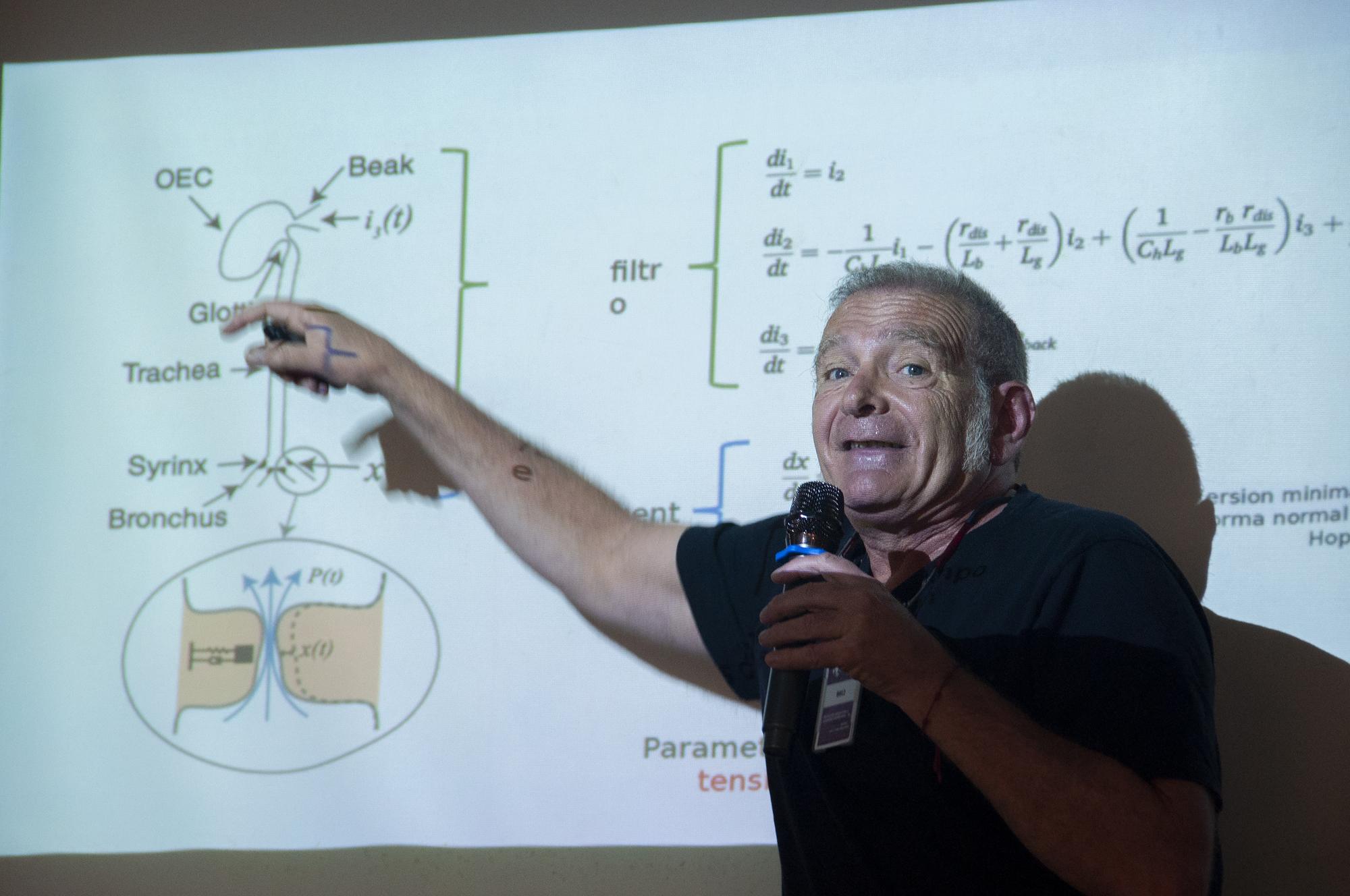
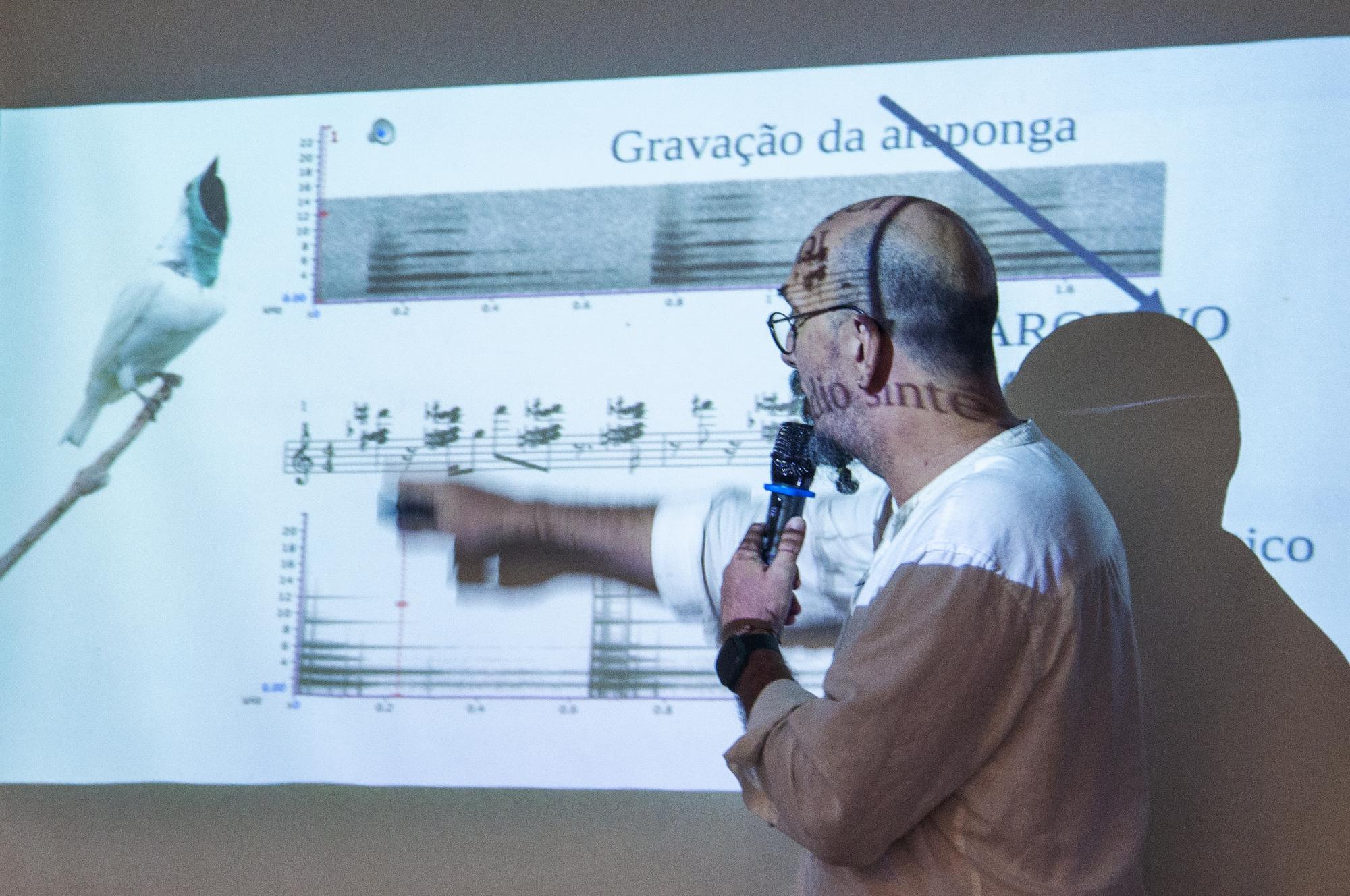
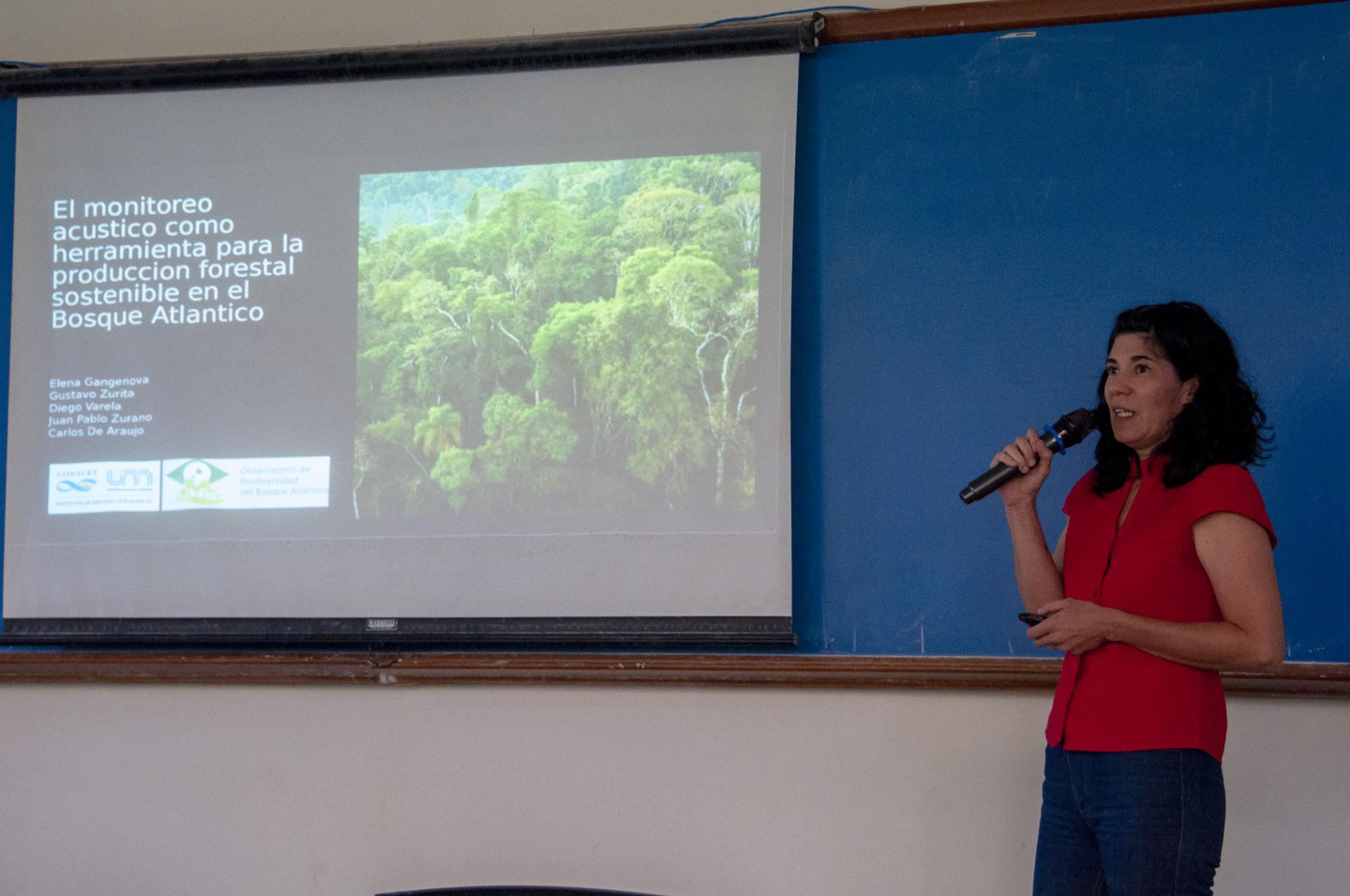
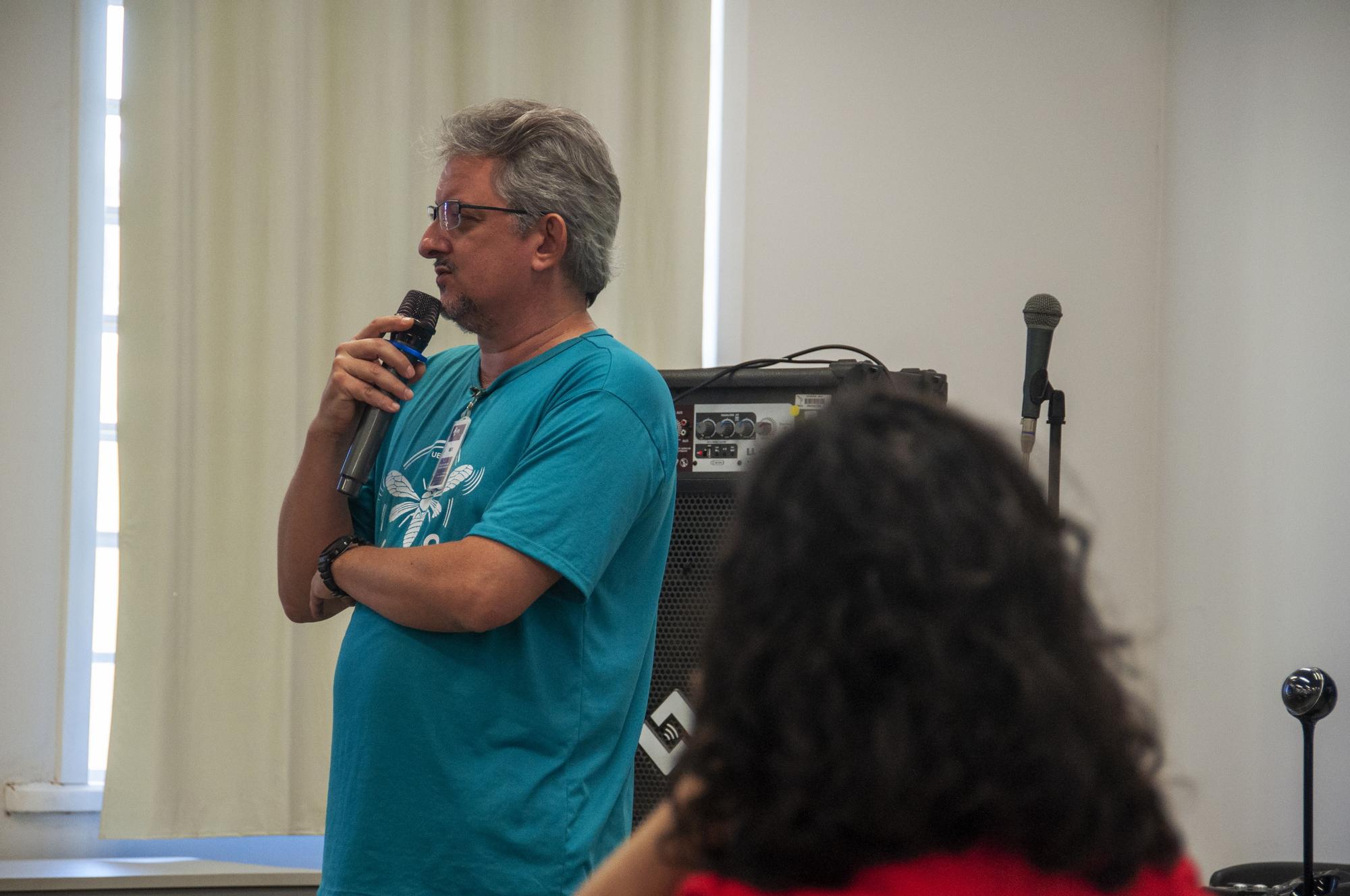
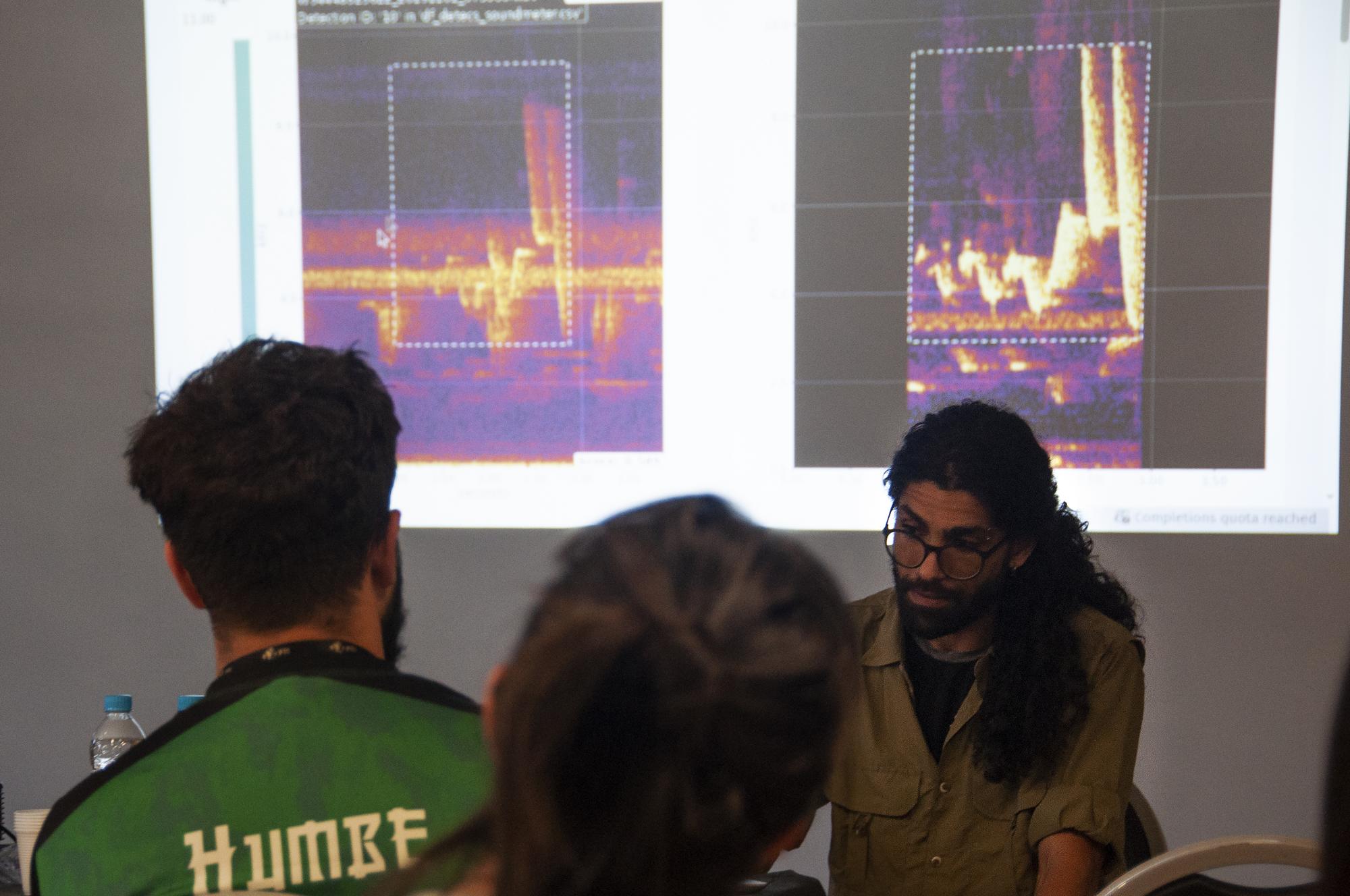
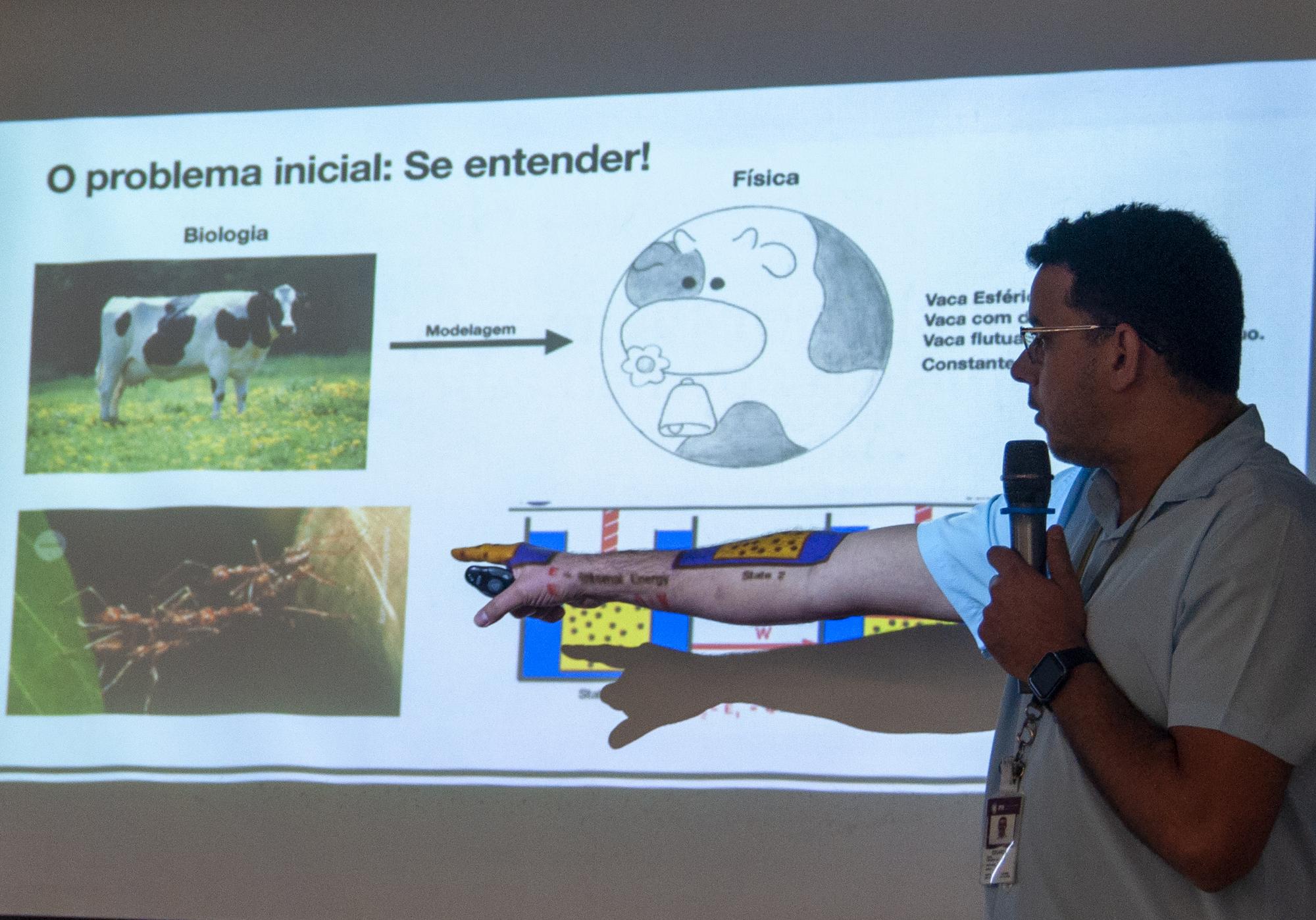
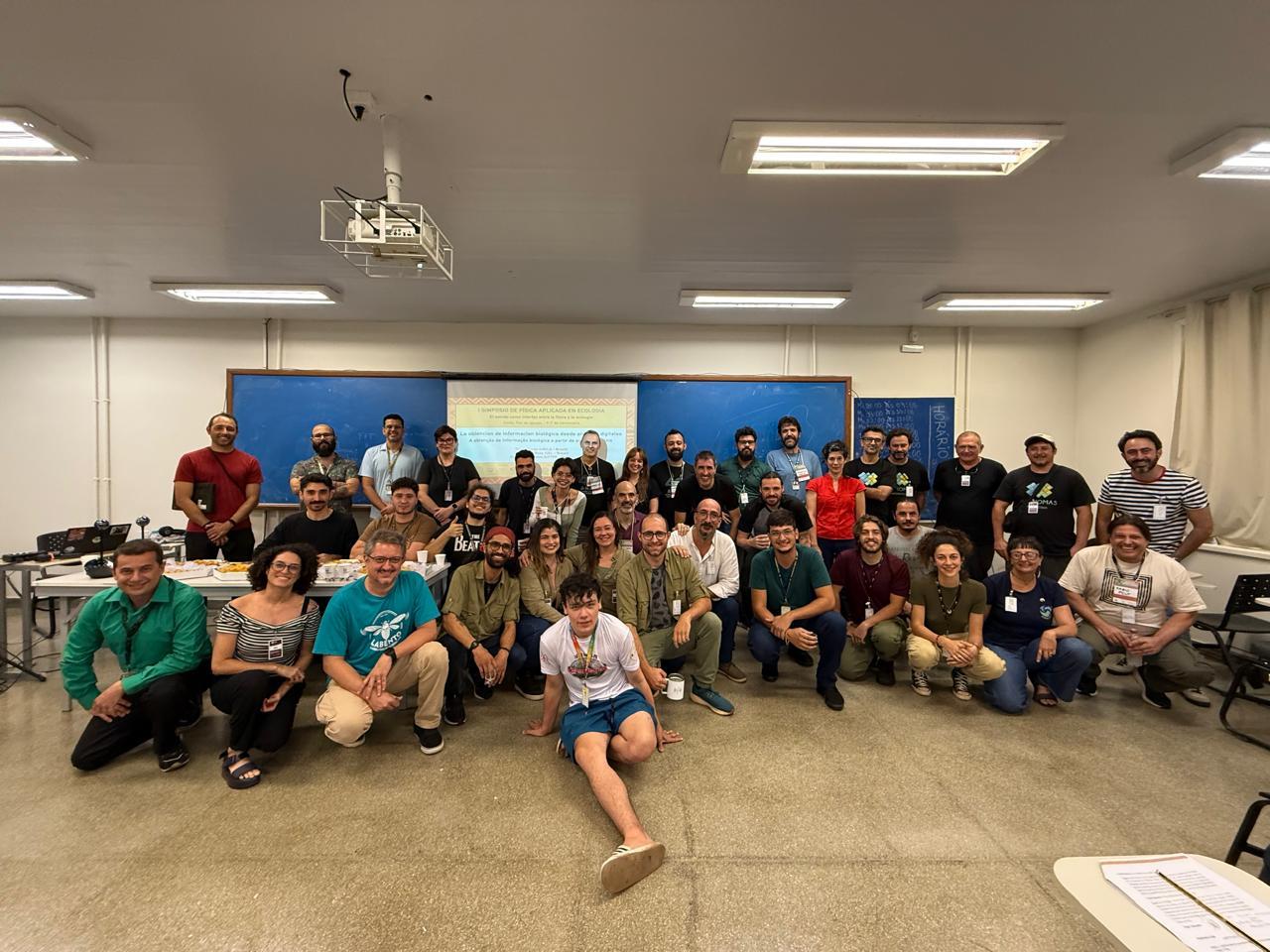
Sharing our experience at the Symposium on Physics Applied to Ecology and Conservation (Foz do Iguaçu, Brazil).
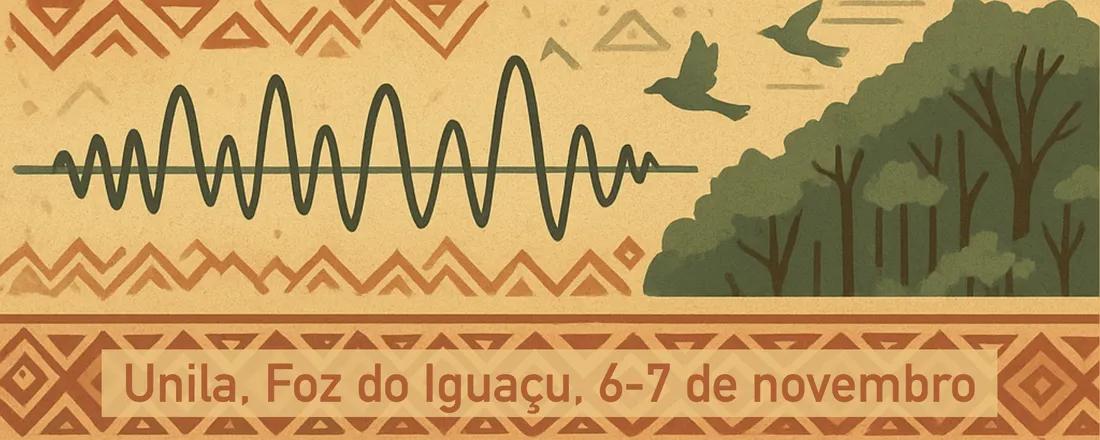
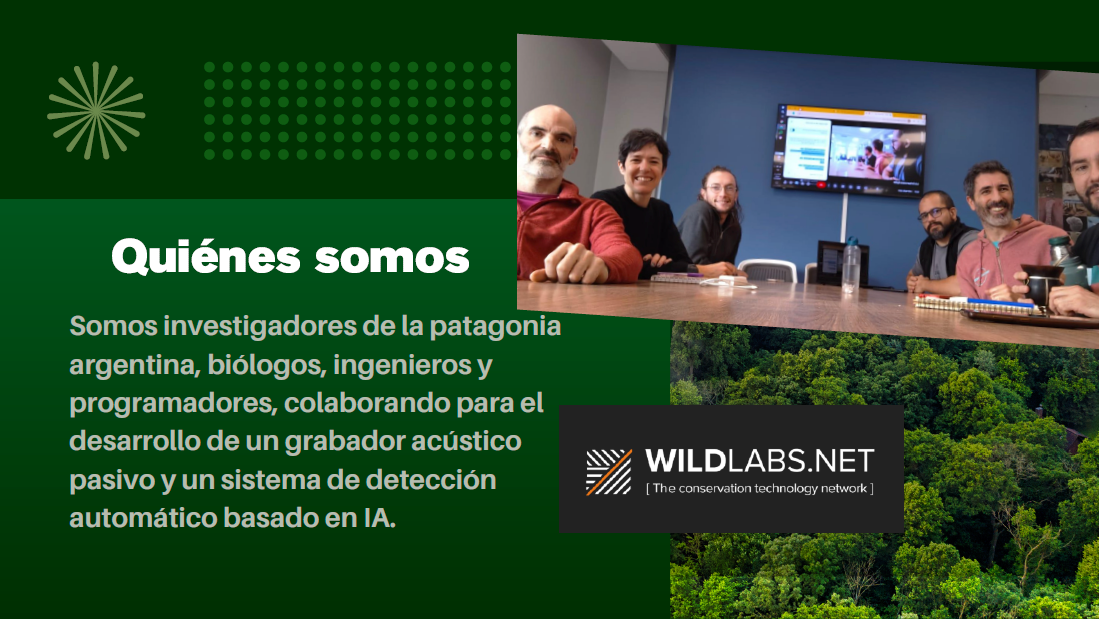
We’d like to thank Carlos Araujo for kindly inviting us to take part in the Symposium on Physics Applied to Ecology and Conservation, held on November 6–7, 2025, at the PTI Campus – Universidade Federal da Integração Latino-Americana (UNILA) in Foz do Iguaçu, Brazil.
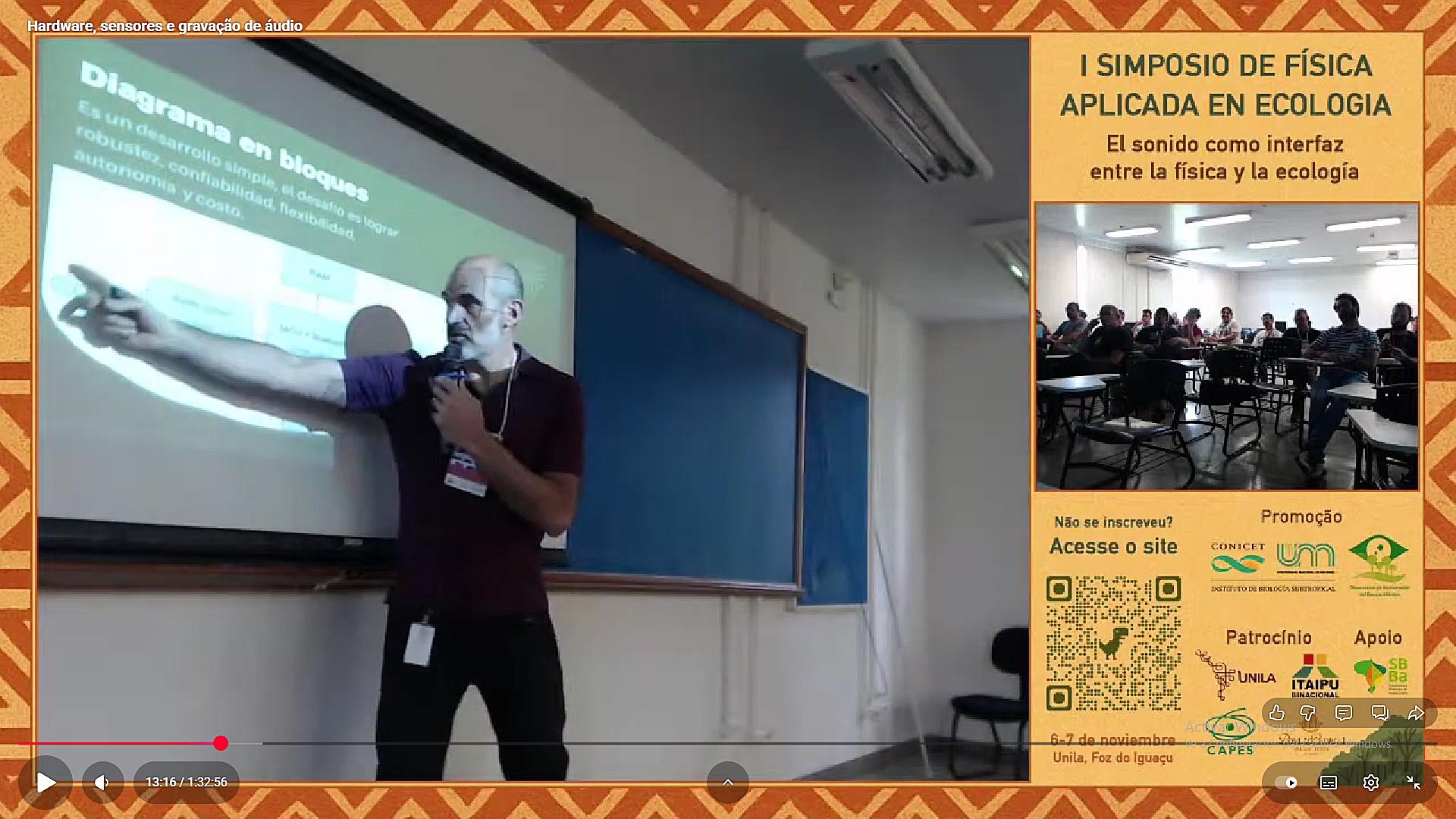
The event aimed to build bridges between researchers from different disciplines and countries, exploring how physics can support acoustic monitoring, ecological data collection, and biodiversity conservation.
🎙️ We joined Roundtable 3 — Hardware, Sensors, and Audio Recording, where we discussed:
Open-source autonomous recorders for biodiversity monitoring.
Energy-efficient design and sensor integration.
Alternative battery types and power solutions (particularly relevant to our developments)
🎥 Watch the roundtable recording here.
It was also a great opportunity to share our experience and highlight the WildLabs community, connecting with colleagues working at the intersection of physics, ecology, and technology.
9 June 2026 3:36pm
Hi everyone!
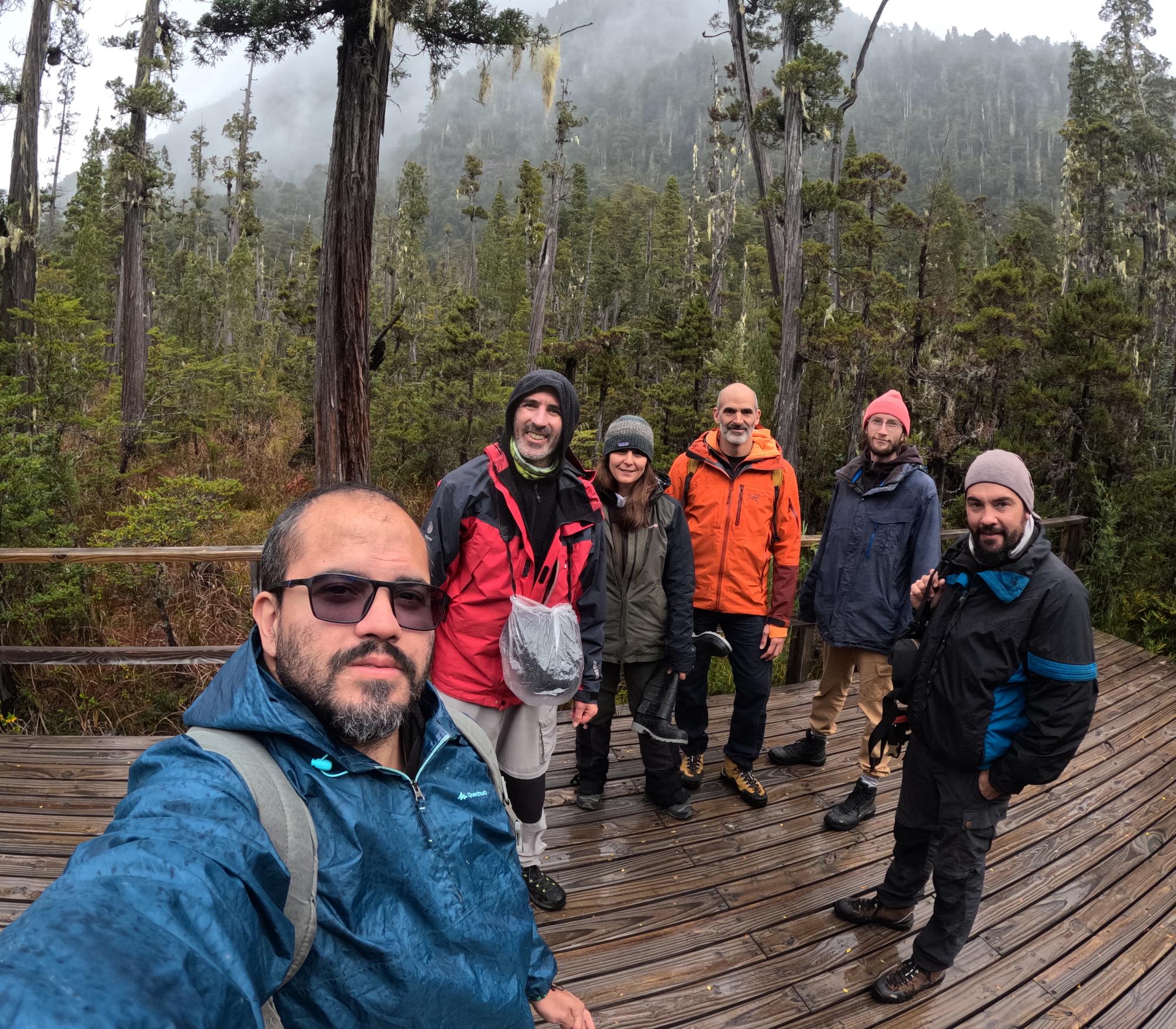
Following up on our project development, we have just published the full report on our work integrating environmental monitoring into AudioMoth devices and the resulting BirdNET workflows for Patagonian amphibians. You can find the complete documentation and results here.
Beyond the technical implementation, we’ve documented the custom firmware, the AI training pipeline for our species, and the practical challenges we faced during field deployments:
Project Video: YouTube Video Link
Firmware: AudioMoth I2C Firmware Repository (GitLab)
AI Workflow: BirdNET-based Workflow for Amphibians (GitHub)
Edge Models: TinyFrog Repository (GitHub)
PyTorch reimplementation: BirdNET-Analyzer (GitHub)
If you are working on similar setups or have questions about the hardware or the workflow, feel free to reach out. I hope this documentation proves useful for your own research.
Thanks for the support and the exchange of ideas during these months!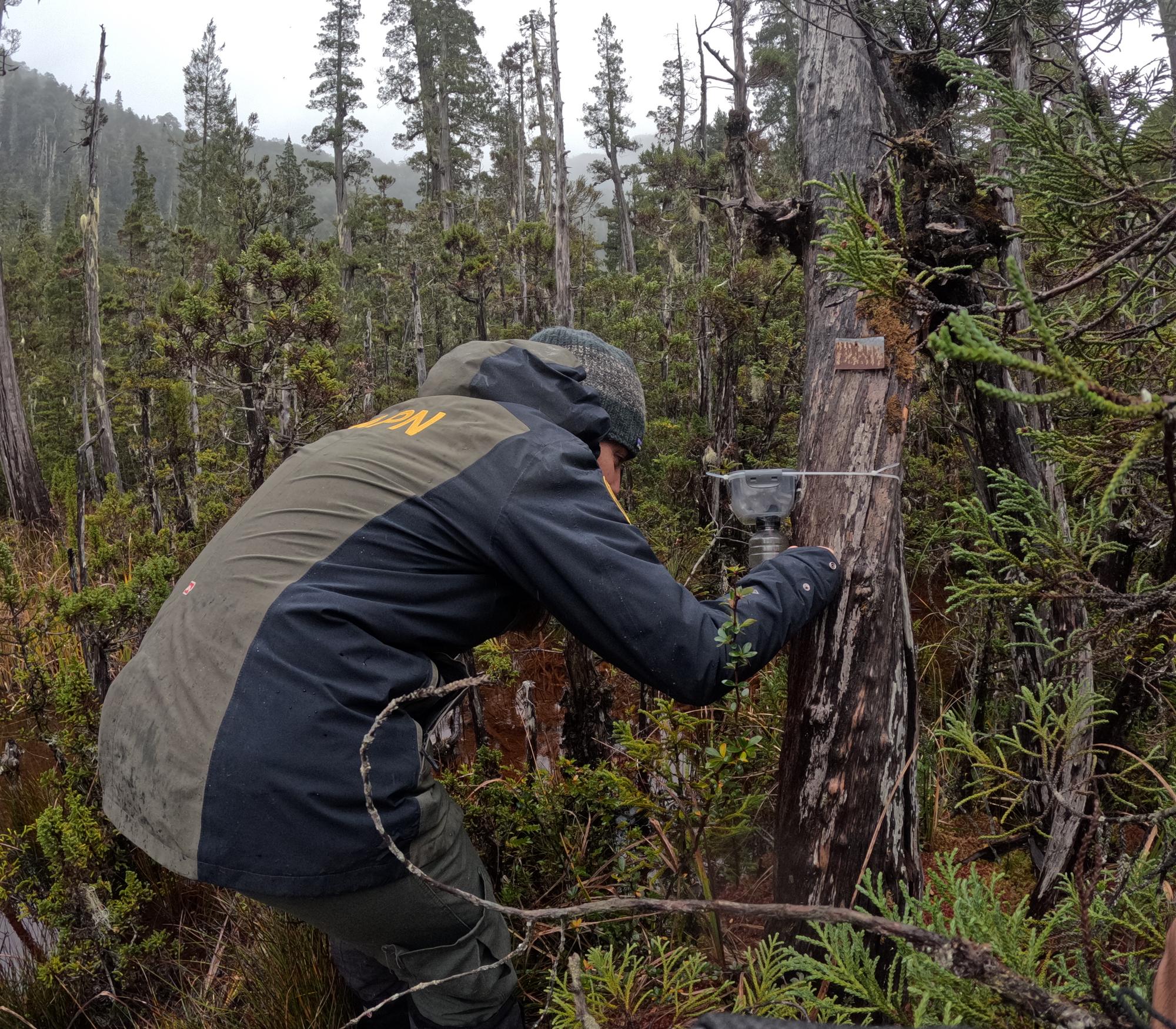
10 June 2026 1:58pm
That is so cool! Love the video!
Shippy
10 June 2026 8:46am

Biodiversity Monitoring Scientist
8 Junio 2026 5:22pm
Spectrolipi v2.0.1
8 Junio 2026 10:34am
Open-Source Solutions for Amphibian Passive Acoustic Monitoring: Lessons from Patagonia
4 Junio 2026 4:57pm
What Happens When Conservation Technology Leaves the Lab? Lessons from Training Rural Communities in the Brazilian Cerrado
3 Junio 2026 1:20am
Ecologist (Postdoctoral Research Fellow), IS-0408-09
1 Junio 2026 4:02pm
AI for Impact Series at WWF: Looking for experts/speakers
21 Mayo 2026 12:25pm

29 May 2026 5:06pm
hi! I would be happy to contribute my experience in edge AI and smart sensors for real-time wildlife monitoring.

30 May 2026 7:33am
I'd be happy to contribute as well, I lead various conservation AI projects in Hong Kong and Japan, camera trapping, acoustic monitoring, and some drone/LiDAR image processing.

30 May 2026 10:17am
Hi! As Open Science Conservation Fund are happy to contribute with Trapper, scalable, open-source and AI-driven camera trap data infrastructure. https://os-conservation.org/trapper/
Vibe Coding Party
25 Mayo 2026 3:03pm
11 June 2026 4:17pm
25 June 2026 4:29pm
@JonathanYardley Apologies I missed your message. We are organizing another event in late July - I'll make another post soon with the sign up link!!
30 June 2026 12:36pm
Thank you :)
Help shape best-practice guidance on conservation technology - input to survey

22 Mayo 2026 10:20am
Seeking wildlife AI Models for Full Motion Video (FMV)
12 Mayo 2026 4:39pm
16 May 2026 7:41am
Hello Sam, please check if this is what you are looking for in this link:
Regards,
Tim Vedanayagam
+91-9843170559
Computer Vision for Ecology 2027 - Info Session
15 Mayo 2026 2:05pm
8 June 2026 9:15pm
In case someone. Find this totally out of place commemt… this is how I solved it, I've decided to use a IMX477 HQ Camera, building a *manual, heavy-duty optical rig* utilizing C/CS-mount lenses and physical macro extension tubes.