


Badges
Editing badges. Drag to reorder.

Groups joined
Discussions started
Discussion Comments
Groups
Group
- Group Stats
-





- 1356
- 607
- Latest Discussion
- AI for Impact Series at WWF: Looking for experts/speakers
Artificial intelligence is increasingly being used in the field to analyse information collected by wildlife conservationists, from camera traps and satellite images to audio recordings. AI can learn how to identify which photos out of thousands contain rare species; or pinpoint an animal call out of hours of field recordings - hugely reducing the manual labour required to collect vital conservation data. The AI For Conservation group is intended to unite and inspire all WILDLABS community members—whether already involved in AI for conservation, or not—to understand how to use and/or directly contribute to open-source research and development efforts.
🌍 Conservation technology is transforming how we protect wildlife, but are we thinking carefully enough about the risks? Drones, camera traps, GPS trackers, acoustic sensors, AI, and remote sensing have become essential tools for conservation practitioners around the world. They help us monitor species, detect threats, and respond faster than ever before. But these same technologies can also introduce unintended risks, and in some cases, can be exploited by those seeking to harm the very wildlife we're trying to protect. 🦏 Input now and/or join the discussions/research.
Group
- Group Stats
-



- 923
- 394
- Latest Discussion
- Engineer Searching for Biologists
Acoustic is one of our biggest and most active groups, with members collecting, analysing, and interpreting acoustic data from across species, ecosystems, and applications, from animal vocalizations to sounds from our natural and built environment.
🌍 Conservation technology is transforming how we protect wildlife, but are we thinking carefully enough about the risks? Drones, camera traps, GPS trackers, acoustic sensors, AI, and remote sensing have become essential tools for conservation practitioners around the world. They help us monitor species, detect threats, and respond faster than ever before. But these same technologies can also introduce unintended risks, and in some cases, can be exploited by those seeking to harm the very wildlife we're trying to protect. 🦏 Input now and/or join the discussions/research.
Group
- Group Stats
-





- 474
- 146
- Latest Discussion
- New "Human Dimensions" group on Wildlabs?
Anyone can become a citizen scientist - even experts! If you're excited about exploring new areas of conservation tech, contributing to projects, or developing and launching your own citizen science projects or apps, this is the group for you.
🌍 Conservation technology is transforming how we protect wildlife, but are we thinking carefully enough about the risks? Drones, camera traps, GPS trackers, acoustic sensors, AI, and remote sensing have become essential tools for conservation practitioners around the world. They help us monitor species, detect threats, and respond faster than ever before. But these same technologies can also introduce unintended risks, and in some cases, can be exploited by those seeking to harm the very wildlife we're trying to protect. 🦏 Input now and/or join the discussions/research.
Group
- Group Stats
-





- 952
- 526
- Latest Discussion
- New "Human Dimensions" group on Wildlabs?
The WILDLABS Community Base is the ideal place to get oriented with the all that our community platform offers, hear about news and opportunities, and to meet new friends and collaborators.
- Latest Resource
- /
- WILDLABS Awards 2026: Meet the Judges
While the WILDLABS Awards 2026 submissions are in the final round of judging, meet the panel that is currently reviewing the shortlist of applications.
Group
- Group Stats
-







- 427
- 250
Technology is changing and evolving faster than ever, and as it does, our community members are looking for the next big thing to revolutionize their conservation tech work. To chat about your favorite new tools that are just emerging in the field and discover innovations you haven't yet heard of, join this group!
🌍 Conservation technology is transforming how we protect wildlife, but are we thinking carefully enough about the risks? Drones, camera traps, GPS trackers, acoustic sensors, AI, and remote sensing have become essential tools for conservation practitioners around the world. They help us monitor species, detect threats, and respond faster than ever before. But these same technologies can also introduce unintended risks, and in some cases, can be exploited by those seeking to harm the very wildlife we're trying to protect. 🦏 Input now and/or join the discussions/research.
Group
- Group Stats
-





- 291
- 33
- Latest Discussion
- New "Human Dimensions" group on Wildlabs?
Over the last few years the conservation movement has been enthusiastically deploying new technologies that make it possible to observe and protect the natural world in ways once unimaginable. But are there any potential risks we need to consider as we deploy the new, exciting technologies?
🌍 Conservation technology is transforming how we protect wildlife, but are we thinking carefully enough about the risks? Drones, camera traps, GPS trackers, acoustic sensors, AI, and remote sensing have become essential tools for conservation practitioners around the world. They help us monitor species, detect threats, and respond faster than ever before. But these same technologies can also introduce unintended risks, and in some cases, can be exploited by those seeking to harm the very wildlife we're trying to protect. 🦏 Input now and/or join the discussions/research.
Group
- Group Stats
-






- 545
- 188
- Latest Discussion
- New "Human Dimensions" group on Wildlabs?
The Human–Wildlife Coexistence (HWC) group is a collaborative hub for conservationists, technologists, field researchers, entrepreneurs, and innovators exploring solutions to HWC globally. The group provides a space to share practical tools, pilot novel interventions, connect global communities, and amplify projects that help communities and wildlife coexist. The group emphasizes community voices, socio-economic challenges, and equitable resource sharing, ensuring human perspectives are understood alongside wildlife needs.
🌍 Conservation technology is transforming how we protect wildlife, but are we thinking carefully enough about the risks? Drones, camera traps, GPS trackers, acoustic sensors, AI, and remote sensing have become essential tools for conservation practitioners around the world. They help us monitor species, detect threats, and respond faster than ever before. But these same technologies can also introduce unintended risks, and in some cases, can be exploited by those seeking to harm the very wildlife we're trying to protect. 🦏 Input now and/or join the discussions/research.
Group
- Group Stats
-






- 426
- 169
- Latest Discussion
- Engineer Searching for Biologists
Bringing together many of our community's tech types like bioacoustics, biologging, drones, remote sensing, machine learning, and more, the Marine Conservation group is a meeting point to begin innovative collaborations and answer difficult questions.
🌍 Conservation technology is transforming how we protect wildlife, but are we thinking carefully enough about the risks? Drones, camera traps, GPS trackers, acoustic sensors, AI, and remote sensing have become essential tools for conservation practitioners around the world. They help us monitor species, detect threats, and respond faster than ever before. But these same technologies can also introduce unintended risks, and in some cases, can be exploited by those seeking to harm the very wildlife we're trying to protect. 🦏 Input now and/or join the discussions/research.
Group
- Group Stats
-





- 673
- 309
- Latest Discussion
- BurdyGurdy - Learn the birds that matter
This group is for anyone interested in applying software to conservation and wildlife research. Whether you're a developer eager to contribute to conservation or a newbie with valuable data and ideas but limited software experience, this group connects people with diverse expertise. It provides a space for asking questions, sharing resources, and staying informed about new technologies and best practices.
🌍 Conservation technology is transforming how we protect wildlife, but are we thinking carefully enough about the risks? Drones, camera traps, GPS trackers, acoustic sensors, AI, and remote sensing have become essential tools for conservation practitioners around the world. They help us monitor species, detect threats, and respond faster than ever before. But these same technologies can also introduce unintended risks, and in some cases, can be exploited by those seeking to harm the very wildlife we're trying to protect. 🦏 Input now and/or join the discussions/research.
Group
- Group Stats
-






- 727
- 283
- Latest Discussion
- Engineer Searching for Biologists
The Animal Movement Group is a collaborative community dedicated to advancing the study, monitoring, and conservation of animal movement. It provides a space for researchers, practitioners, and innovators to exchange knowledge, explore bio-logging approaches and data, and address conservation challenges linked to species mobility.
🌍 Conservation technology is transforming how we protect wildlife, but are we thinking carefully enough about the risks? Drones, camera traps, GPS trackers, acoustic sensors, AI, and remote sensing have become essential tools for conservation practitioners around the world. They help us monitor species, detect threats, and respond faster than ever before. But these same technologies can also introduce unintended risks, and in some cases, can be exploited by those seeking to harm the very wildlife we're trying to protect. 🦏 Input now and/or join the discussions/research.
Group
- Group Stats
-





- 156
- 20
- Latest Discussion
- Looking To Utilize My Skillsets To Help
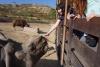
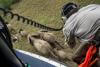
Conservation dogs are making a difference in conservation through their noninvasive ability to detect elusive species in the wild, flag illegal wildlife trade products, and help poachers fight wildlife crime. Whether you work with conservation dogs, you're interested in incorporating them into your work, or you just want to learn about how dogs can support and enhance conservation technology's effectiveness, you're in the right place!
🌍 Conservation technology is transforming how we protect wildlife, but are we thinking carefully enough about the risks? Drones, camera traps, GPS trackers, acoustic sensors, AI, and remote sensing have become essential tools for conservation practitioners around the world. They help us monitor species, detect threats, and respond faster than ever before. But these same technologies can also introduce unintended risks, and in some cases, can be exploited by those seeking to harm the very wildlife we're trying to protect. 🦏 Input now and/or join the discussions/research.
Group
- Group Stats
-






- 172
- 19
- Latest Discussion
- New "Human Dimensions" group on Wildlabs?
The world’s most endangered species are under threat from an unsuspecting source—the Internet. The Coalition to End Wildlife Trafficking Online launched this group in partnership with WILDLABS to create a space for discussing the technologies and partnerships that are pushing to turn the tide in the fight against trafficking in wildlife species and products online.
🌍 Conservation technology is transforming how we protect wildlife, but are we thinking carefully enough about the risks? Drones, camera traps, GPS trackers, acoustic sensors, AI, and remote sensing have become essential tools for conservation practitioners around the world. They help us monitor species, detect threats, and respond faster than ever before. But these same technologies can also introduce unintended risks, and in some cases, can be exploited by those seeking to harm the very wildlife we're trying to protect. 🦏 Input now and/or join the discussions/research.
Bookmarks
Keep track of the resources that matter to you! Collections let you save, organise, and share content from all over the WILDLABS community. Create your first collection by clicking on the bookmark icon wherever you see it.
My Courses
These are your in-progress and completed courses. Explore more courses through our catalogue.
To find courses you have created, see your "My Draft Content" or "My Content" tabs.
Settings
Kwene H Low's Content
Discussion
Looking for animal emotions data for ML

Kwene H Low
Hi. I'm hoping this community is able to help as there are probably many pet parents here: We're researching animal identification and emotion recognition with ML...
17 March 2021
Kwene H Low's Comments