








First things first, our team — @jcguerra10 , @bmgarrido , and special acknowledgment to @Mantolehmann, who joined the team as an intern until December and developed her undergraduate thesis in Industrial Design around this project. It is thrilled to share, with immense pride and gratitude, our continued progress with the WILDLABS Community and their partners at Arm. Being able to contribute to avian studies and conservation through our awarded BoutScout project is a true honor.
BoutScout was born out of a need to overcome key limitations in traditional avian monitoring — particularly the high cost of commercial dataloggers like Hobo, and the time-intensive post-processing of temperature data. Our solution integrates a custom-built multi-sensor datalogger with AI-powered analytics, and sofware tools to analyze breeding data enabling real-time and scalable interpretation of nesting behavior. It collects essential environmental variables and significantly reduces the time needed to analyze parental activities, such as on- and off-bouts, which are crucial for nestling development and survival.
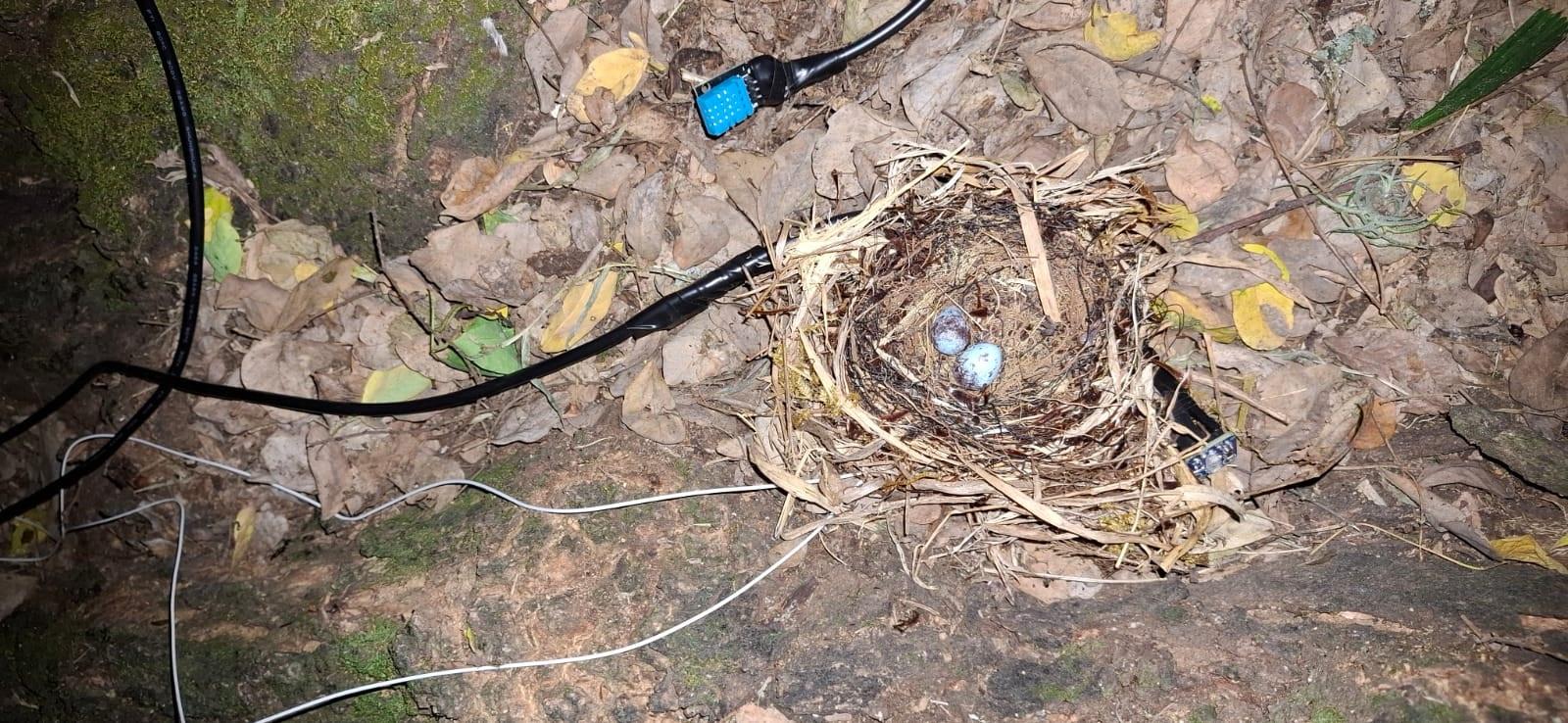
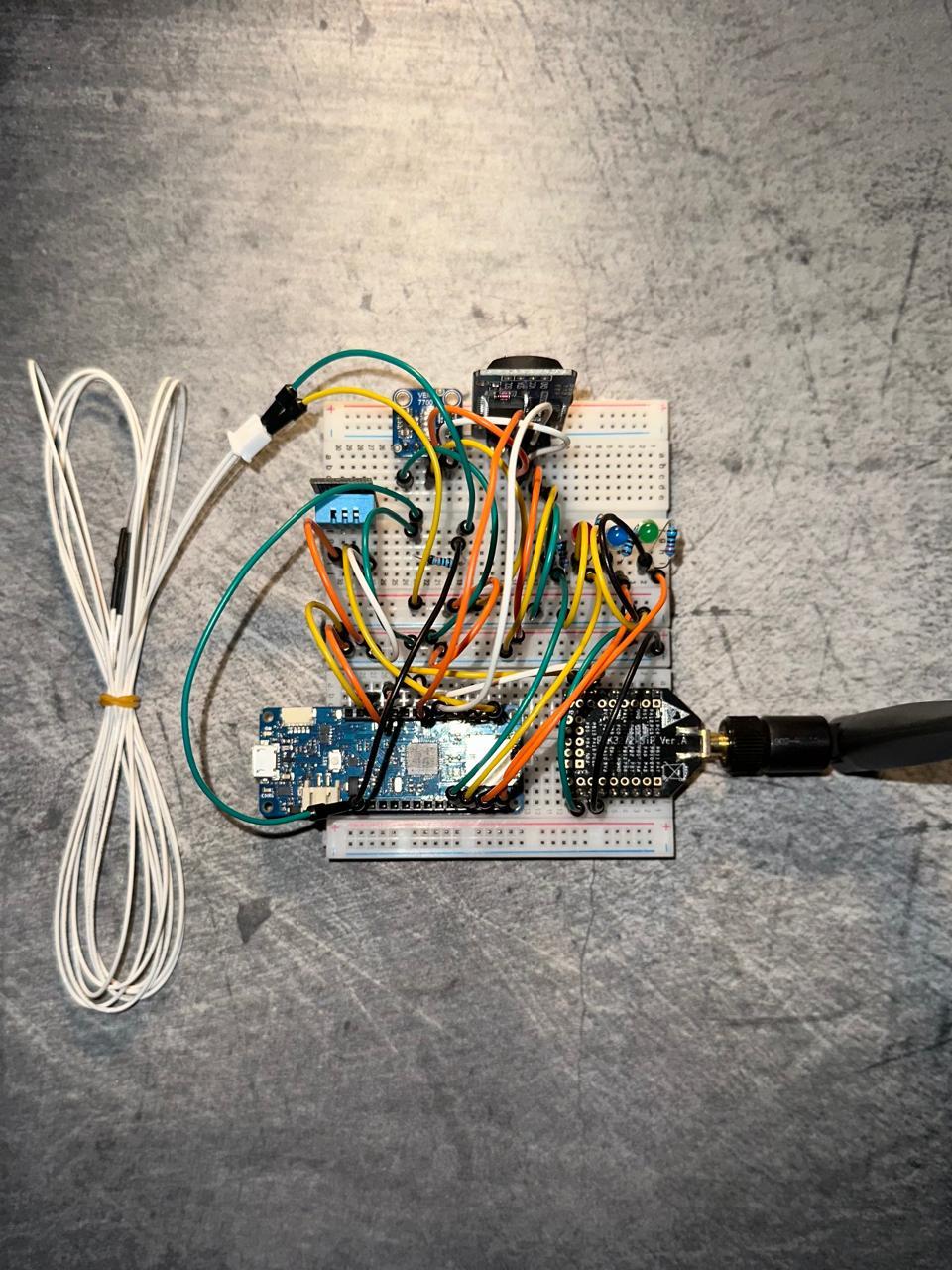
To achieve this, we’ve built and tested five 3D-printed prototypes based on the Arduino MKR Zero platform. These are equipped to record local data on light, temperature, and humidity — and soon, preassure.
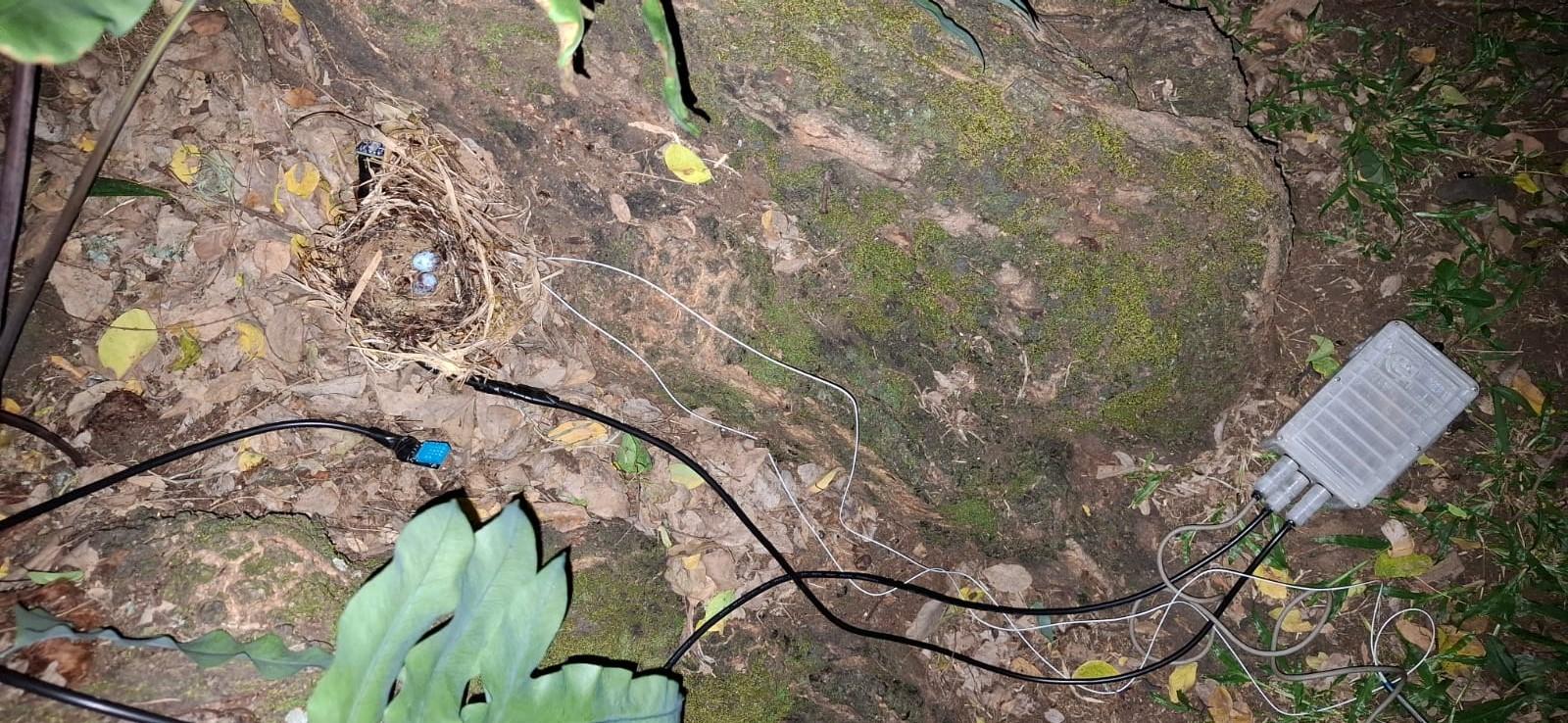
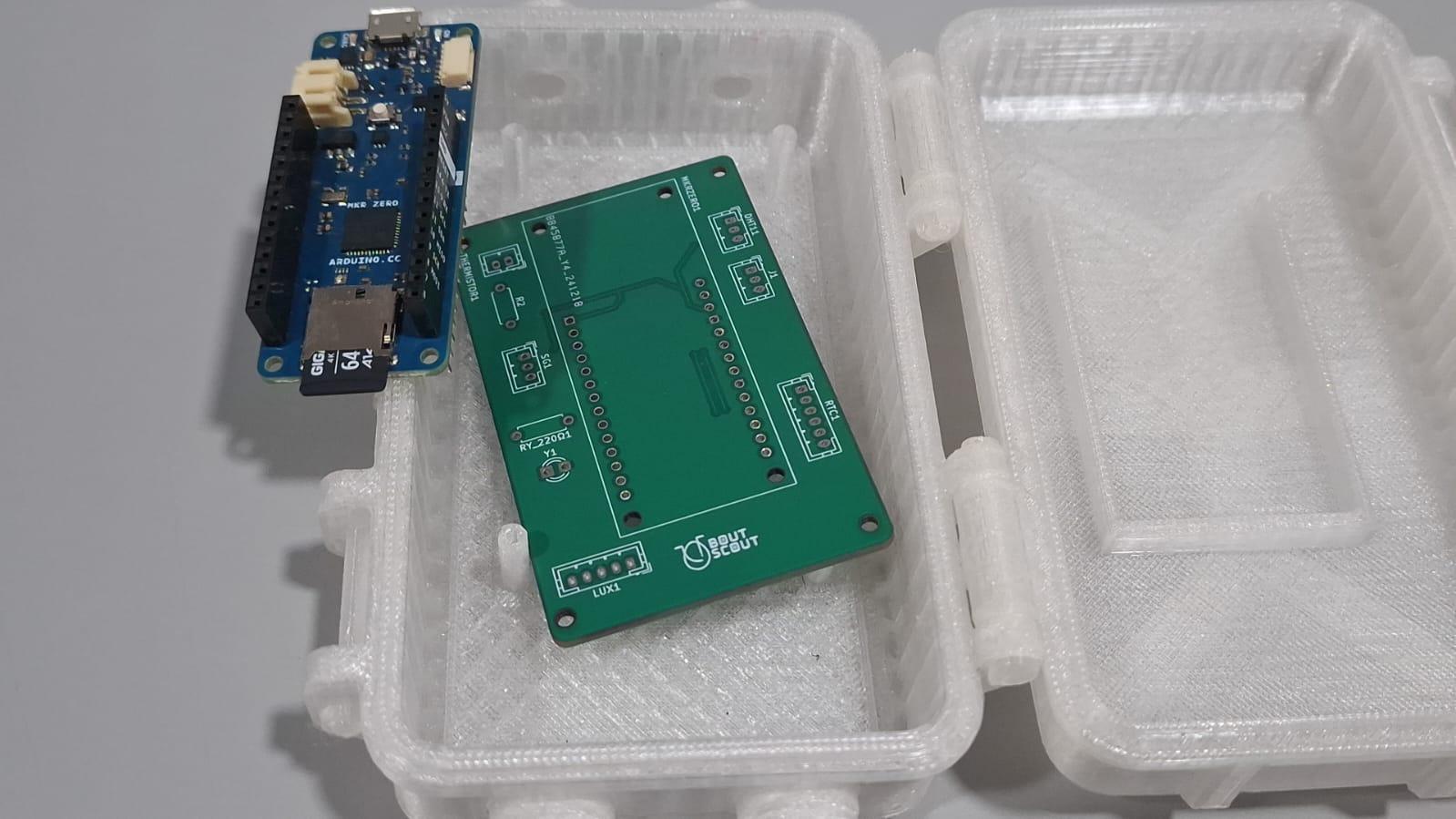
To streamline our hardware design and reduce the number of external connections, we also developed our own custom PCBs. After testing two versions, we finalized a board that integrates seamlessly with the Arduino MKR Zero and our sensor modules. The final version is fully functional and has been successfully enclosed in a custom 3D-printed case designed for field durability and modularity. This last 3D-printed case is made by recycled PET plastic, inspired by the design of a Pelican-style case. It requires no screws and features a fully sealed, snap-fit enclosure, optimized for durability and ease of deployment in the field.
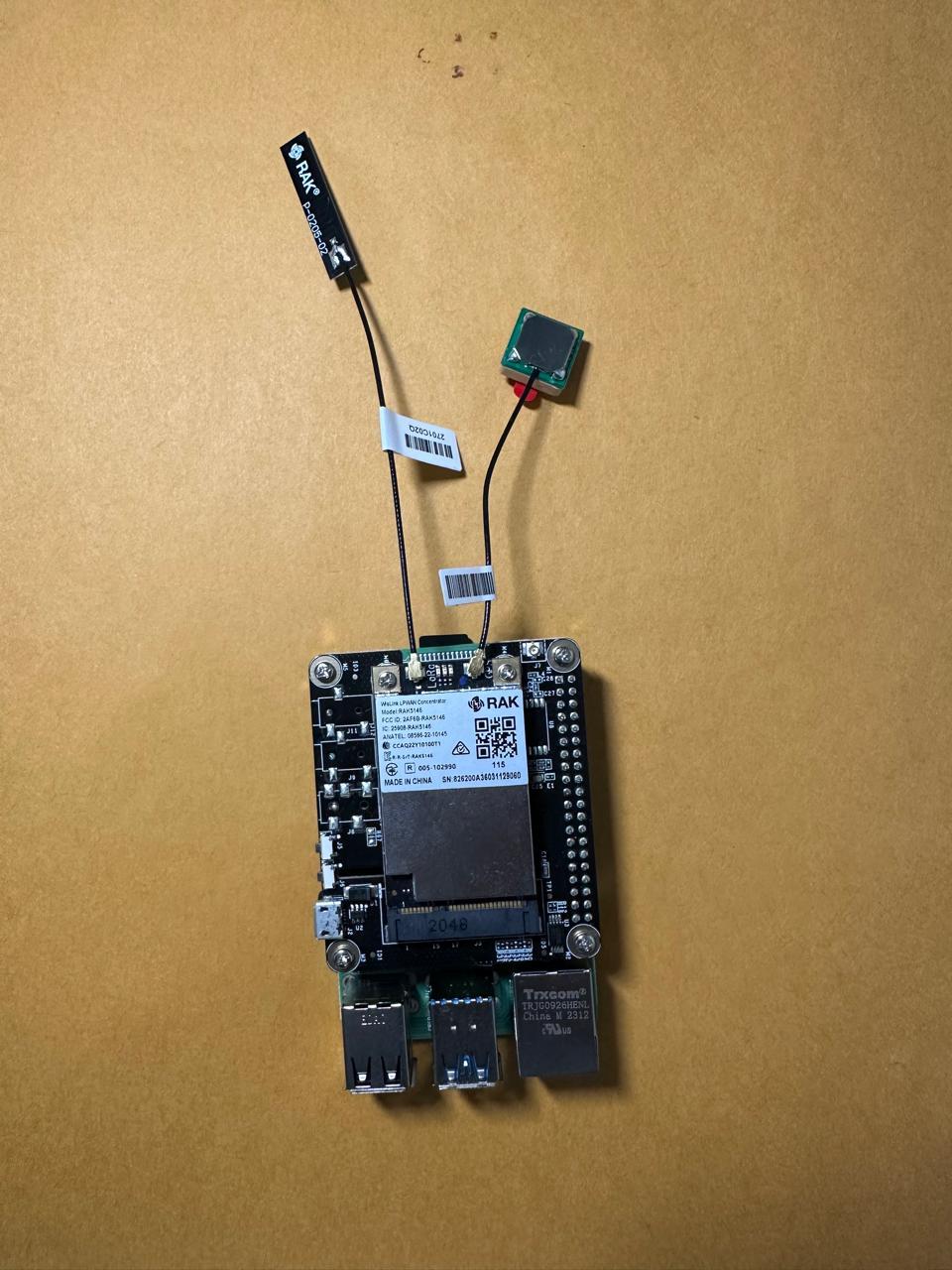
In parallel, we have developed a new sensor connection system using stereo plug-style connectors with external threads and O-rings, ensuring hermetic sealing for each cable interface — a crucial step for long-term field use in diverse environmental conditions. we've also developed a second datalogger system that uses LoRaWAN communication, which has already demonstrated the ability to transmit data efficiently over 1.5 kilometers. We're currently preparing for in-field testing of the LoRa version, using custom-built nesting boxes designed for real-world conditions.
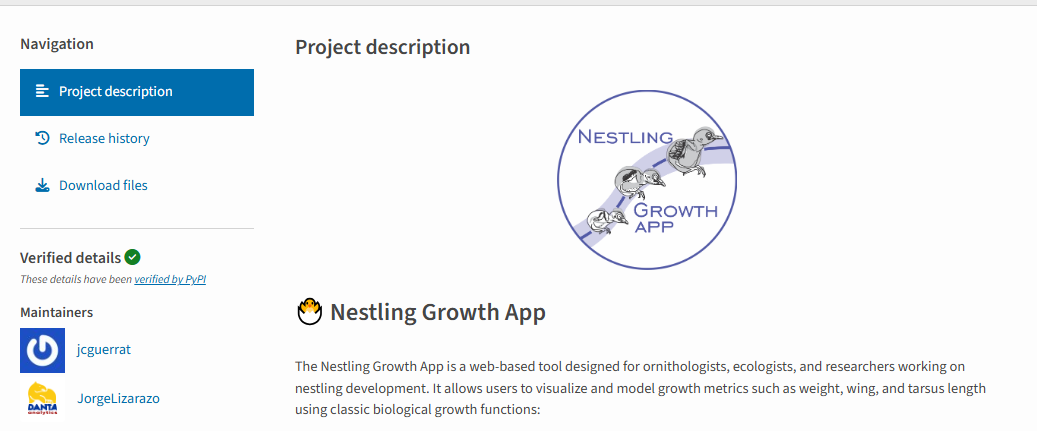
In support of our data analysis efforts, we've released the open-source Nestling Growth App — a Python package and web app to model and visualize nestling growth. It allows researchers to fit biological growth models to their data easily and is already being used in ecological studies.
@wildlabs
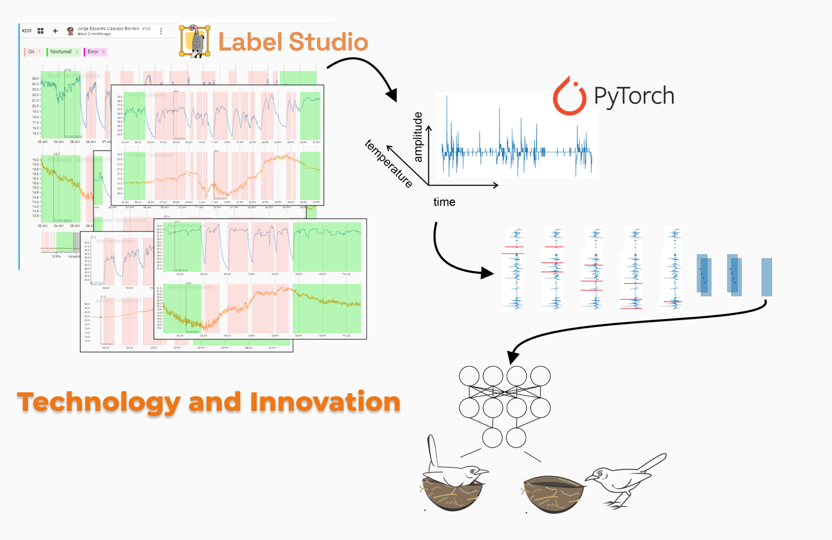
We are finalizing the development of a hybrid LSTM-CNN model, which will be integrated into a dedicated Python package. This model is designed to classify key behavioral events, such as on- and off-bouts, based on nest temperature data. Currently, we are working on resolving memory optimization issues during training to improve performance and minimize error, ensuring the model can handle large datasets efficiently in real-time applications.
Gratitude:
This achievement reflects not only our dedication but also the vital support we've received. Special thanks to Universidad Icesi, as well Professors Gustavo Londoño, Carlos Araujo, Carlos Diaz and Juan Pablo Gomez (At Universidad del Norte) for their invaluable backing and guidance during the submission and the procces ahead on the ground.