


Deep Voice Foundation
Related Inventory Content

We’re excited to announce that Deep Voice has received a 2025 Wildlabs Award to develop a public, web-based platform for marine mammal sound detection and classification. This platform will allow users to upload underwater acoustic recordings, select species-specific models, and automatically receive annotated results, making our existing AI tools accessible to anyone, anywhere.
Until now, using our models required full collaboration with our team. This project changes that. Our current partners will be able to automatically analyse thousands of hours of data, without needing ongoing support or manual processing from us. It also means they can continue working with their data well after the formal end of a project, supporting long-term monitoring and adaptive conservation efforts.
The platform builds on five years of technical development and field-tested AI deployments in projects worldwide. We hope that with this new development, we can enable our volunteers to focus on the critical aspects of their work, such as refining our existing models or expanding our repertoire to include new species.
2 September 2025 7:21pm
Hello WildLabs community,
Here's an update on our progress with the AI-based marine mammal sound detection platform.
What We've Accomplished
We've completed our first milestone: a Windows executable for our Burrunan dolphin detection model. This executable allows our AI code to run independently without requiring Python or other dependencies to be installed on the user's machine.
This executable serves as the foundation for our web service - the same packaged code that runs locally will power the online platform, ensuring consistency between our local and web-based offerings.
Current Work
We're currently focused on two main areas:
Web Service Development
We're developing an online platform to make our models accessible via web browsers. The main challenge is finding the right hosting solution that balances cost-effectiveness with handling variable workloads.
Service Optimization
We're developing a more efficient version of our detection algorithms to reduce computational requirements and processing time. This optimisation benefits both the local executables and the planned web service.
Next Steps
Platform Expansion
- Moving the Windows executable from MVP to a production-ready version
- Adding macOS support
Model Integration Approaches
We're evaluating two paths for handling multiple species models:
- Option 1: Create individual executables for each new model we develop. This means every time we complete a new species model, we'll package it as a separate executable.
- Option 2: Build a single executable that can dynamically load different models. This approach is more complex to develop but offers better scalability and could facilitate integration with existing tools like Raven.
Web Service MVP
- Developing a basic browser-based interface for model selection and file upload
Model Library
A system that allows users to choose the species detection model for their acoustic data.
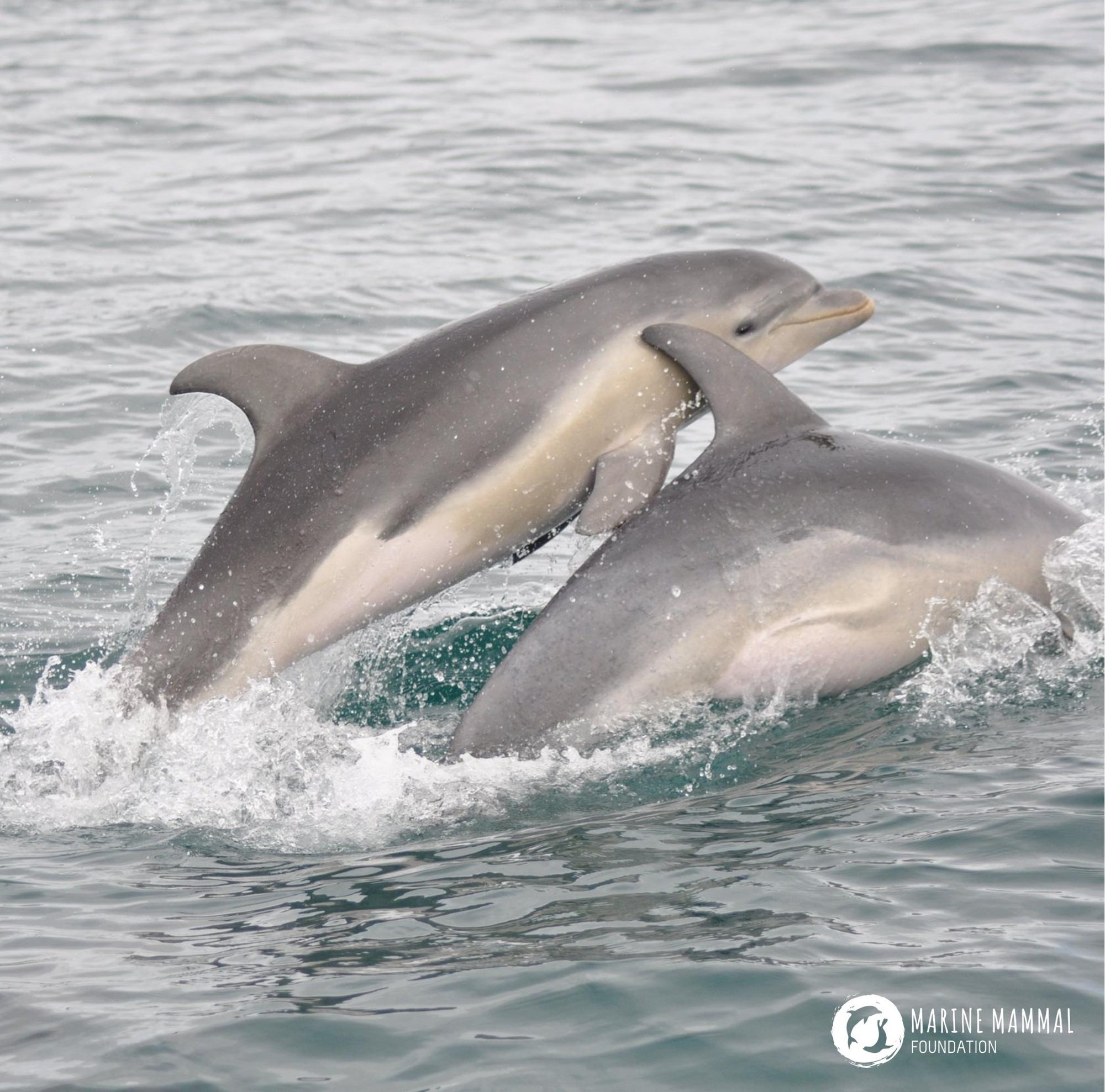
Here are some Burrunan dolphins!

Liz Ferguson
Ocean Science Analytics



5 September 2025 1:59pm
Congratulations Deep Voice - this is very exciting! - Liz
Omer Shakked
Deep Voice Foundation