


Rosa Vasquez Espinoza
- @rosavespinoza
- | she/her

As a scientist with roots in the Amazon, I founded Amazon Research Internacional (ARI) to unite cutting-edge science with the ancestral wisdom of Indigenous communities. Our project, Safeguarding Amazonian Stingless Bees, is deeply personal - these native bees are not only vital pollinators but sacred beings interwoven into our culture, medicine, and food systems. Alongside Kukama communities in Loreto and partners in Bolivia, we’re combining GPS mapping, AI analysis, and oral histories to document where stingless bees live, understand the threats they face, and co-create conservation strategies rooted in Indigenous leadership. With a focus on training Indigenous women and youth in tech-enabled field research, we aim to protect both biodiversity and the knowledge that sustains it - for the Amazon, and for the future.
So excited and honored to have received funding from Wild Labs to expand our work!
9 August 2025 1:42pm
Hi everyone!
Sharing a Project Update here :)
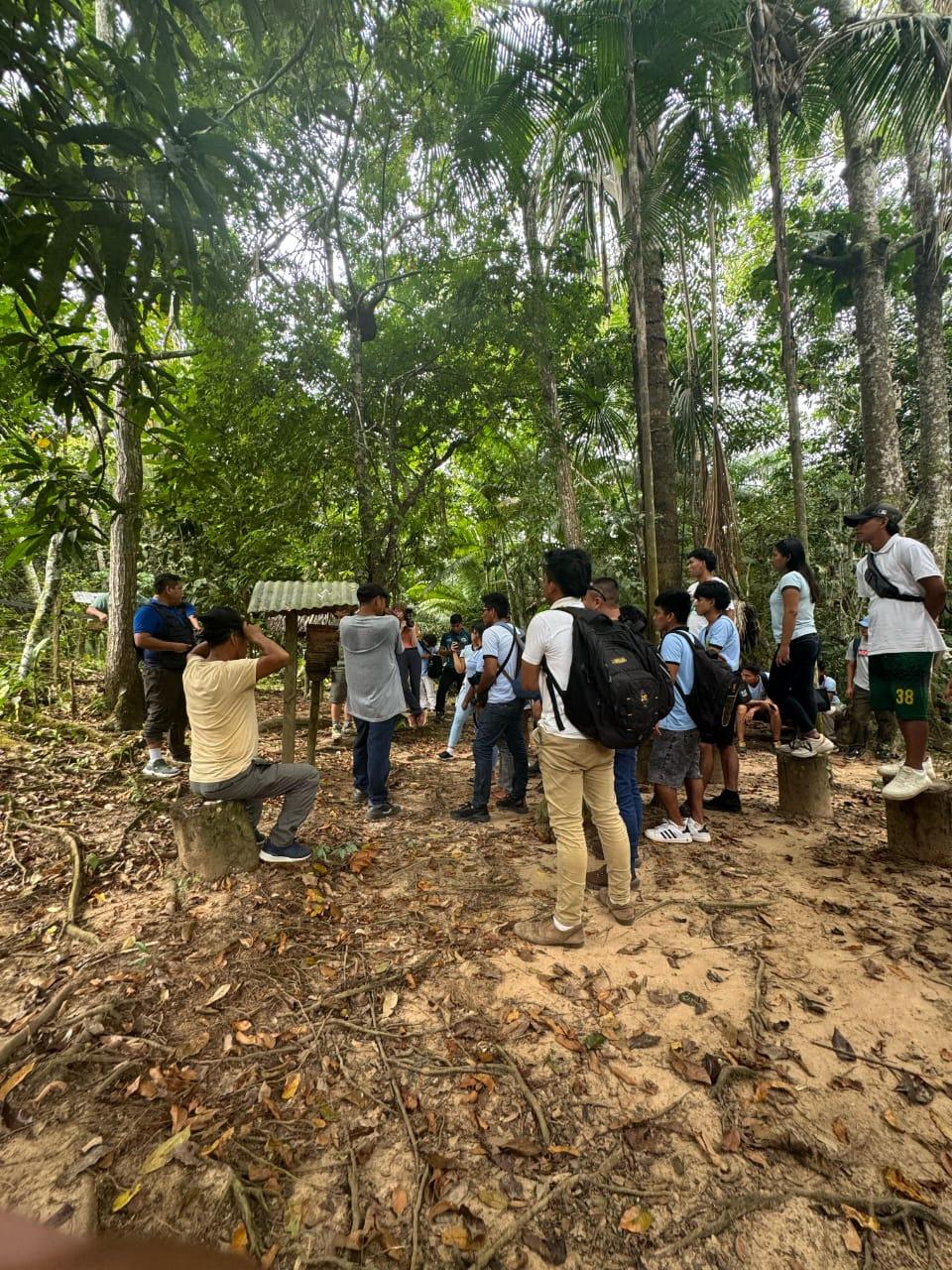
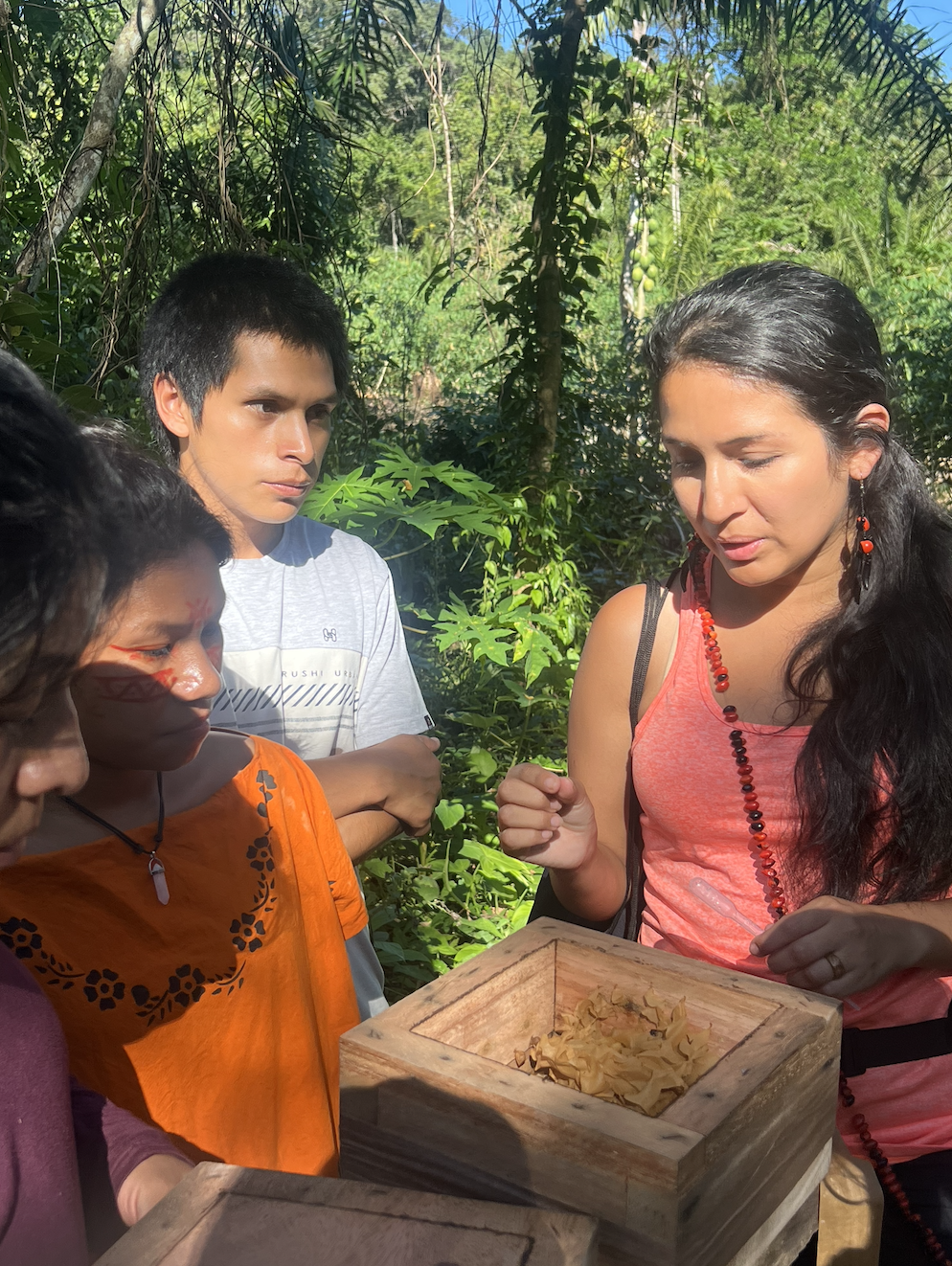
This past July, we successfully launched the expansion of our bee mapping work across the Peruvian Amazon with the support of WildLabs. During our expedition, collectively with our team members we identified 38 stingless beehives representing several key species, strengthening our database for conservation planning.
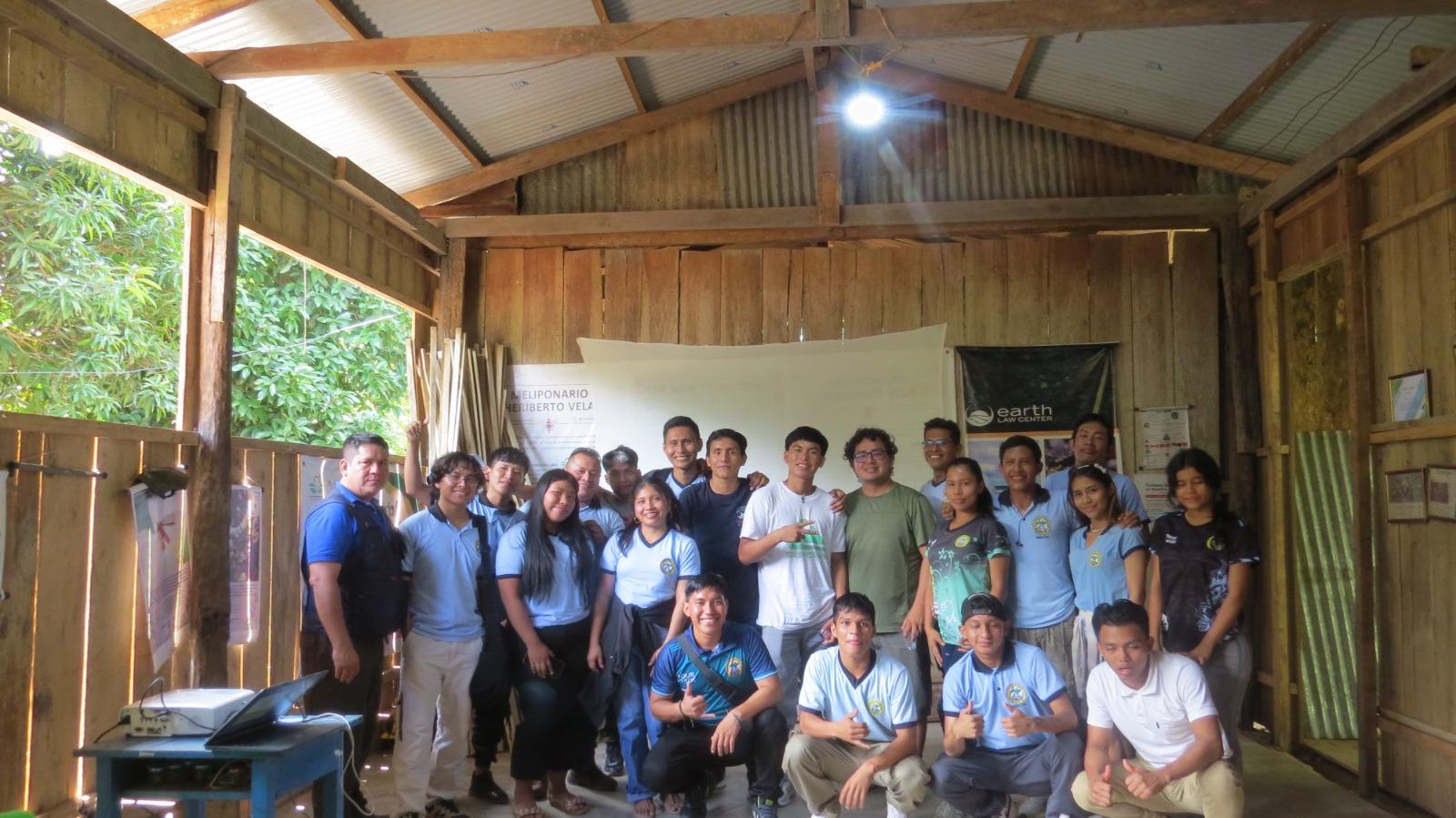
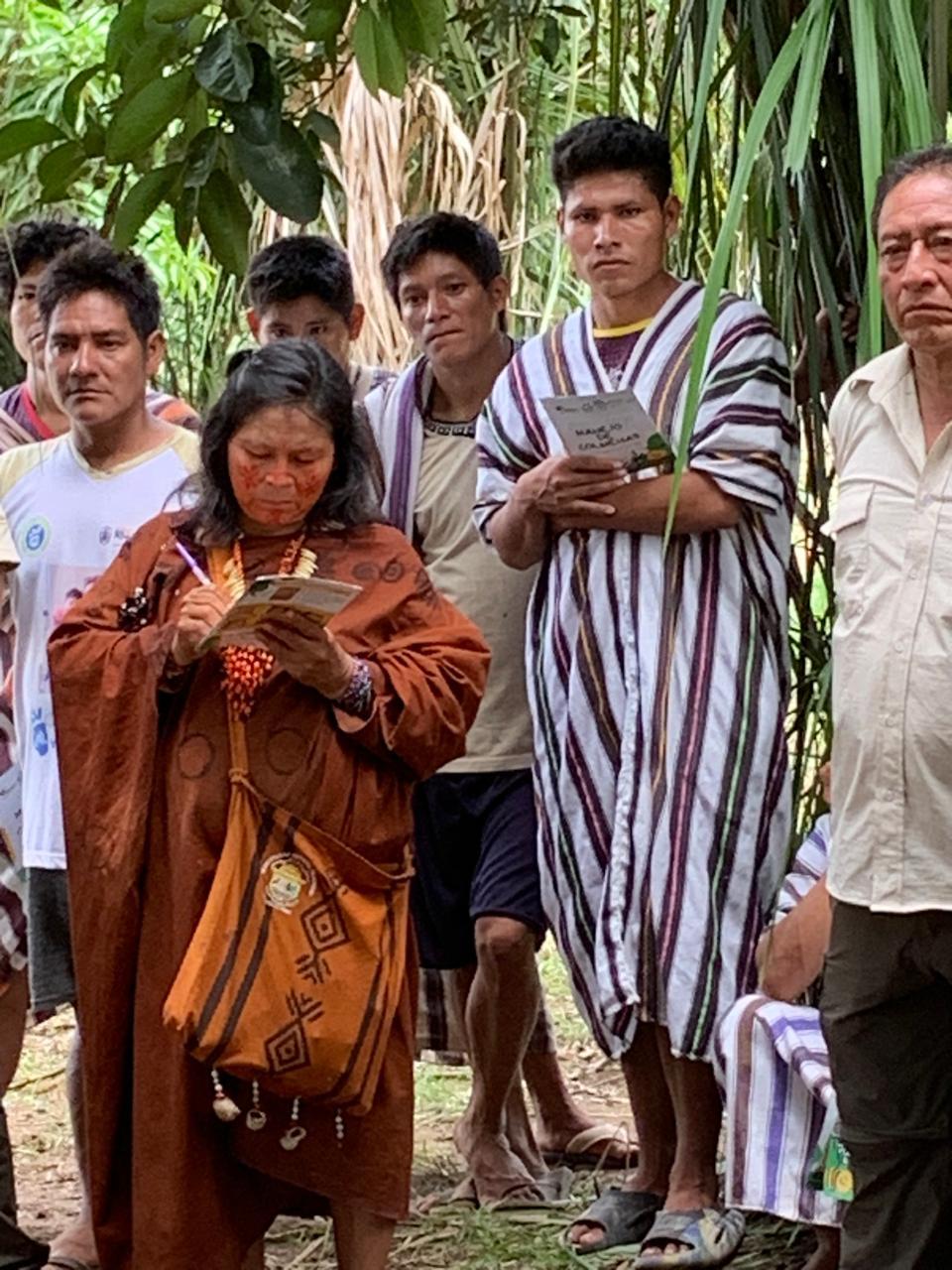
We also led capacity-building workshops for 25 Indigenous men, women and youth on stingless beekeeping, habitat monitoring, and GPS-based data collection. These sessions are part of our broader effort to integrate technology with traditional knowledge and to equip the next generation of conservation leaders.
Also we are very happy to share that our pilot work in the Junín region has now been published in the Journal of Ecology and Environment (link), providing a scientific foundation for the methodologies we are now scaling to new regions.
With each expedition, we are building not only a clearer picture of where Amazonian stingless bees live and the threats they face, but also a strong network of Indigenous scientists and community conservationists who will safeguard this knowledge and these species for the future. This is strengthened with the co-creation of a Biocultural Community Protocol together with our Indigenous partners and environmental lawyer partners (Earth Law Center) which will continue to gather key data and knowledge to serve as the basis for bee and ecosystem protection.
For our pilot work (recently published), we used ARCGIS to map the wild beehives identified, and overlaid national deforestation data to understand the risk endangering bees. For this next-phase, that incorporates multiple regions and thus allows us to look at climate impact, we aim to go even further. We would love to get anyone's thoughts and inputs on this, so we can empower more Peruvian local youth to lead this impactful science work!
Thank you!
Rosa
Rosa Vasquez Espinoza