





Hi,
I would like to run a Raspberry Pi 5 off a battery in a mode where it will boot up and run for just 1 1/2 minutes every hour (To take some snapshots).
Does anyone have any experience with sort of operation? Making it go to sleep and wake up I have under control. It's about calculating the battery size and type and providing stable 5V USB-C power from that battery that I'm interested in here. There must be lots of people hear doing this sort of thing I would expect.
So:
How big a battery?- What type?
- And what to use to provide stable 5V USB-C power from it?
Second to the first requirement. A lot of anxiety can be avoided if there was some proven external solar charge unit with for this? The solar panels could be pretty small I think.
I would like it to be an external solution as the Pi would already be fitted with an nvme hat and there's no room for other hats.
The location of the unit will be very remote so failure of the system is quite expensive to deal with. I have a feeling that the whole topic of solar powering conversation projects could do with some research and exposure here. Surely there must be some wildlabs grant applications in this area? :)
19 December 2024 6:21pm
Question: Does the Pi5 run also from Lithium 3.7 - 4.1 V? I guess the processor does, but the LDO can it work with that voltage?





20 December 2024 5:58am
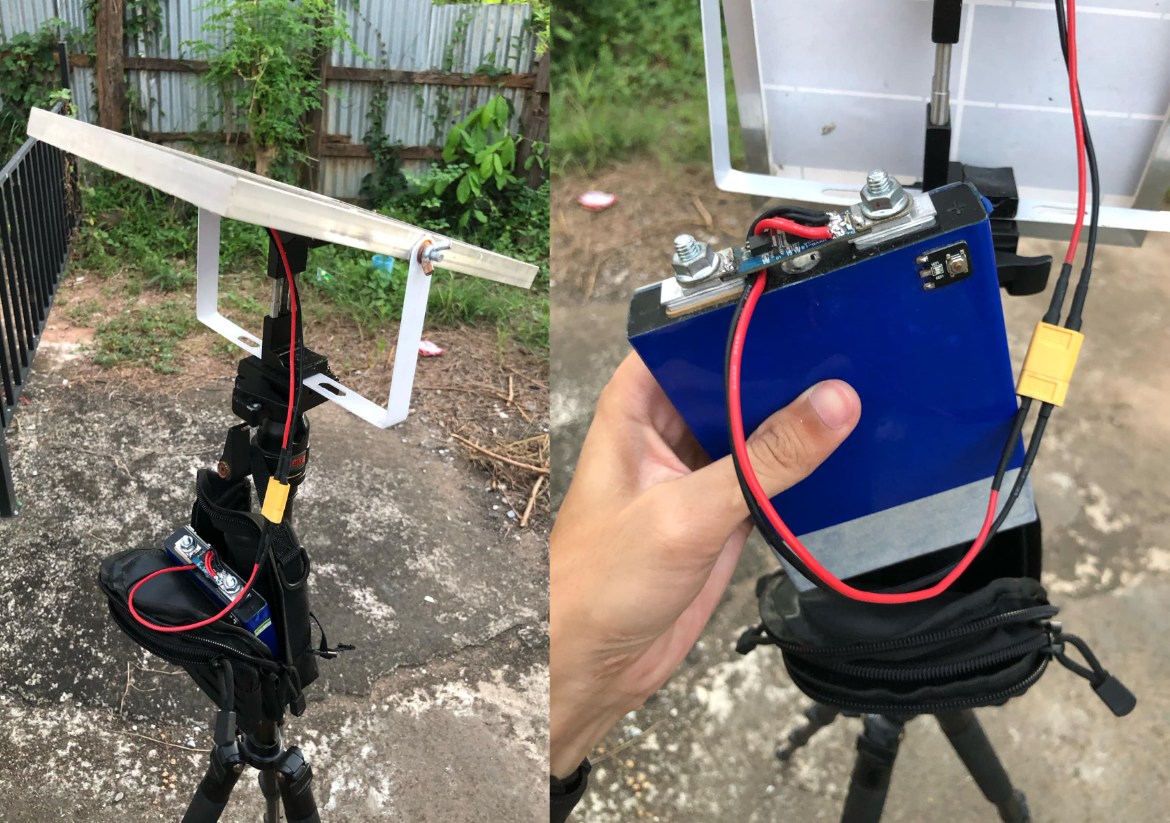

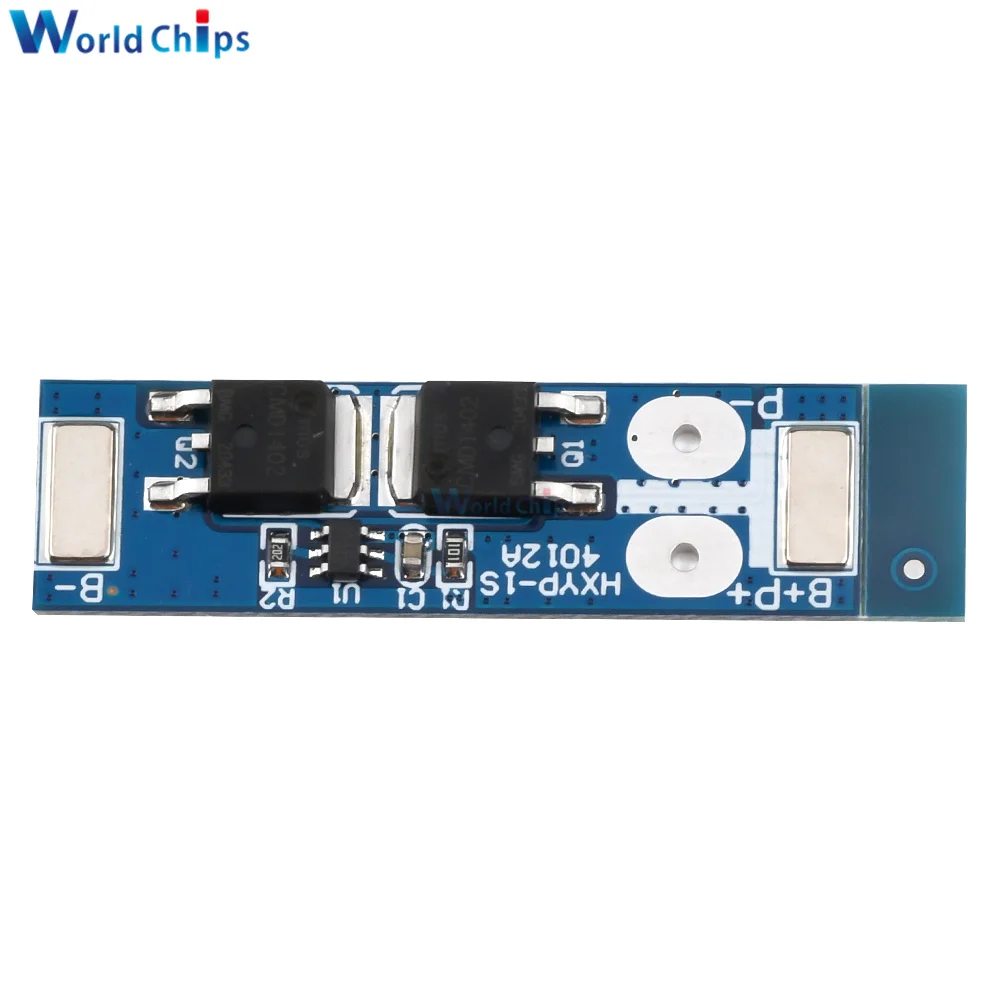
Hello! I’d like to share some information about what I’ve done in the past, even though it wasn’t based on a Raspberry Pi. I used commercially available modules and opted for a cost-effective battery, specifically LiFePO4 (lithium iron phosphate). It has quite a high capacity, and I made sure to charge it safely using only a BMS (Battery Management System).
To draw power from the battery, I used a power bank module. LiFePO4 batteries operate within a voltage range of 2.7-3.6V, and the power bank module functions by charging up to 4.2V. However, this means the power bank module cannot be used to charge the LiFePO4 battery, but it can reliably supply power instead.
The Pi-5, if I remember correctly, consumes about 2-3A, so it should work fine with modules supporting PD 3.0 charging. As for setting a timer, I’m not entirely sure what options are available, but one way could be to program the Pi internally and use it to control a relay switch that supplies power on a schedule.
The main reason I chose LiFePO4 is because it’s affordable and much safer. Charging can be done with a suitable charging module, and when the battery reaches full voltage, the BMS will automatically cut off charging. This ensures the battery won’t get damaged.
Good luck with your project! 😊

Walter Zimmer