
WILDLABS




About the Updated Programme
The Women in Conservation Technology Programme was launched in 2022 with the goal of supporting East African women studying and working within the conservation field. After three successful programmes and a year without the programme, we are delighted to relaunch the Women in Conservation Technology Programme back in Tanzania with an enhanced curriculum, expanded cohort, and renewed commitment to supporting women in conservation. This updated programme builds on previous success while introducing new elements to ensure participants are equipped with cutting-edge knowledge.
The programme has three primary objectives:
- To familiarize participants with a range of hardware, software, and data management tools (including new and emerging technologies) so they can apply these effectively in their work.
- To provide leadership training, professional development, and networking opportunities that foster a supportive and inspiring community of women in conservation technology across East Africa.
- To strengthen participants’ ability to generate and apply high-quality biodiversity data to inform evidence-based conservation decision-making, aligned with the Global Biodiversity Framework (GBF) and national and regional biodiversity policy priorities.
This year, the programme is run collaboratively by WILDLABS and the Grumeti Fund through RISE, and support has been generously provided by a grant from the JRS Biodiversity Foundation.
Programme Details
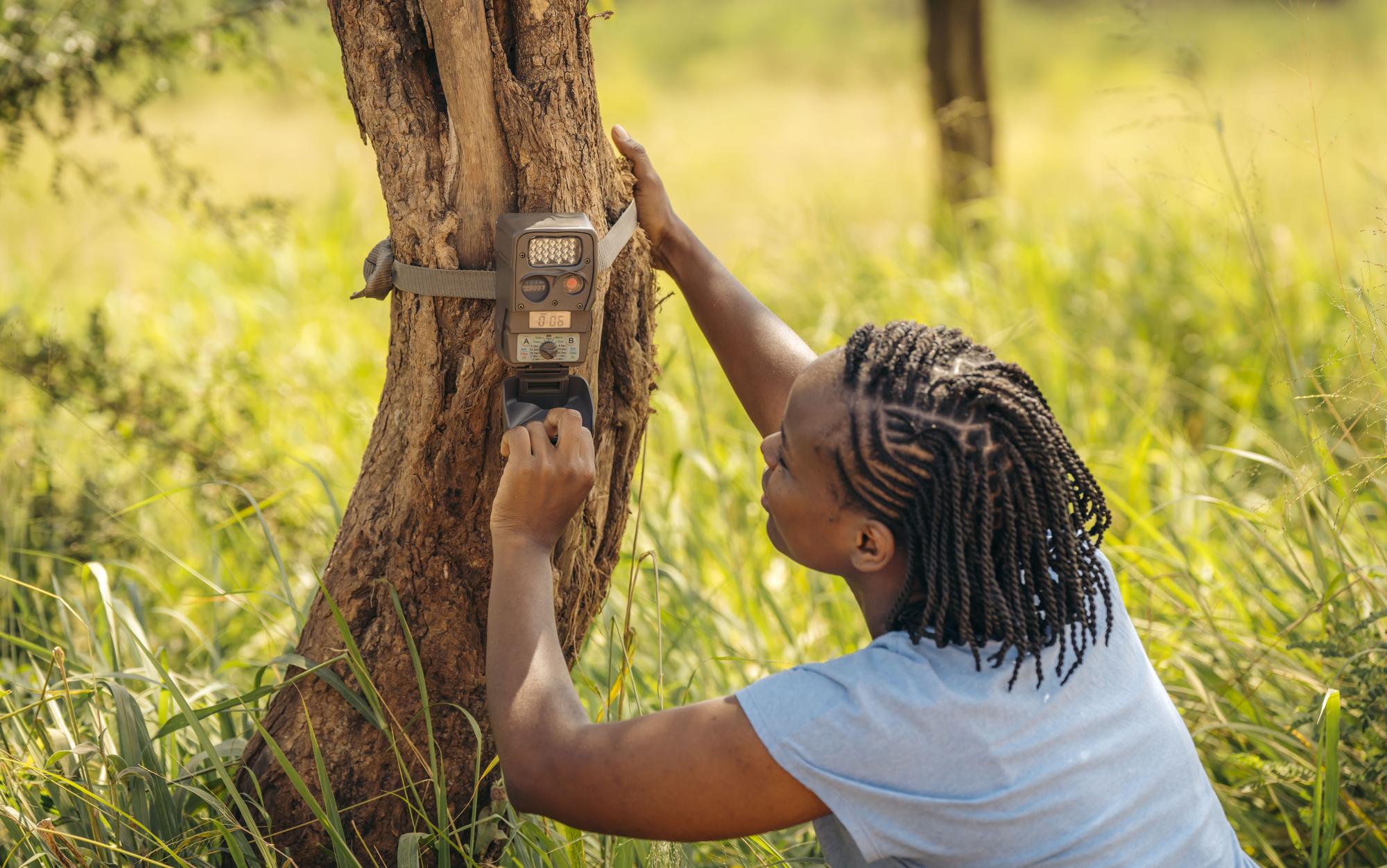
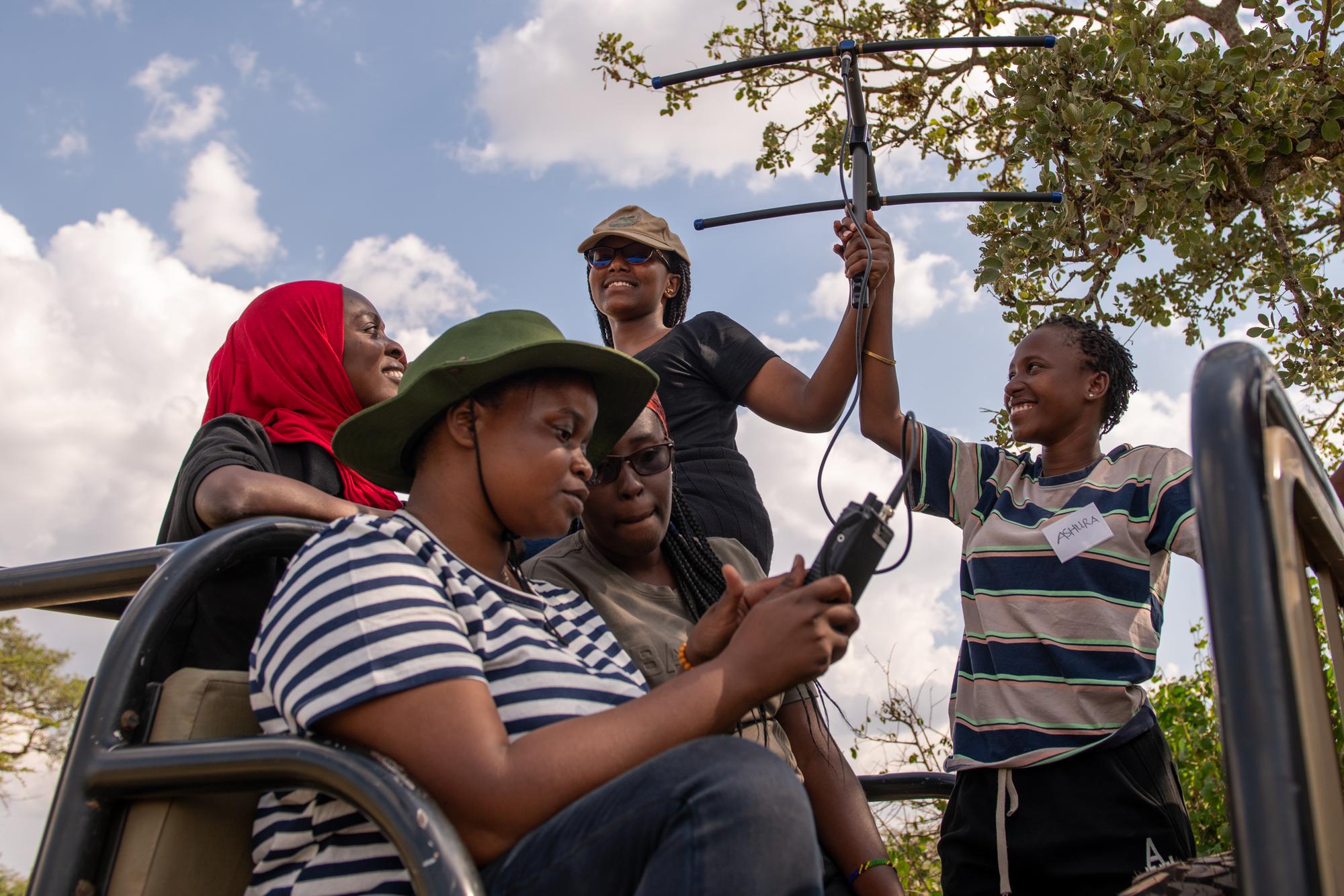
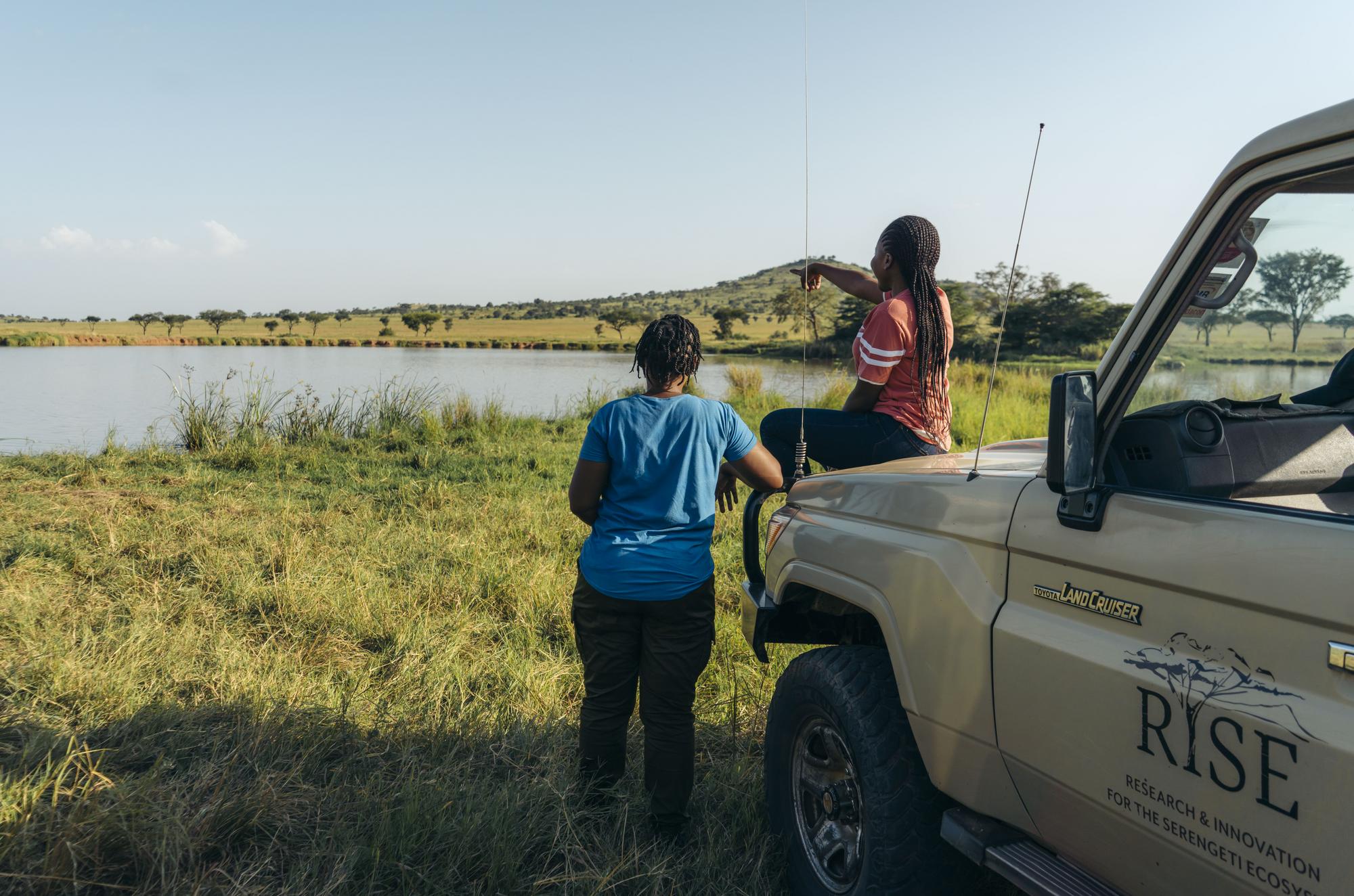
This year's updated programme will run for six-months, where participants will attend two in-person workshops held at the RISE research facility in the Serengeti, the same location used in previous years, in addition to virtual training. These sessions will build practical, hands-on skills in conservation technologies to address pressing wildlife conservation challenges, while also strengthening the collection of biodiversity data to support evidence-based decision making.
The first workshop, taking place from July 24–30, 2026, will provide a hands-on introduction to conservation technology tools used for wildlife monitoring, protection, and human–wildlife conflict mitigation, alongside a strong foundation in biodiversity data generation, research design, and the use of biodiversity data platforms.
The workshop will include:
- Practical training with field technologies such as camera traps, bioacoustic devices, and eDNA
- Introduction to biodiversity data generation approaches aligned with national and regional policy priorities and GBF targets
- Training on biodiversity research design, including how to develop robust, policy-relevant research projects
- Hands-on experience with biodiversity data platforms and tools for data management, sharing, and analysis
- Leadership and professional development sessions
- Networking opportunities with established female conservation leaders
Introducing the Fourth WiCT Cohort
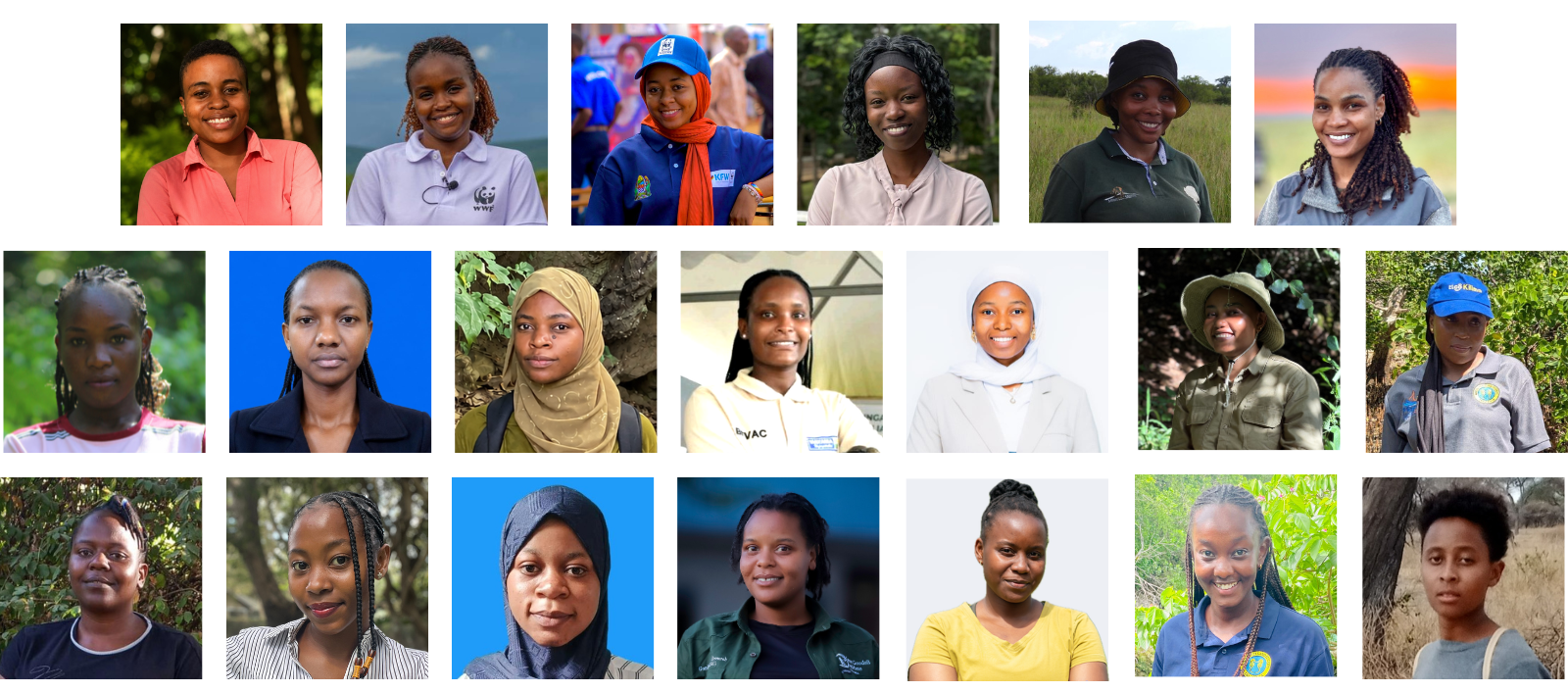
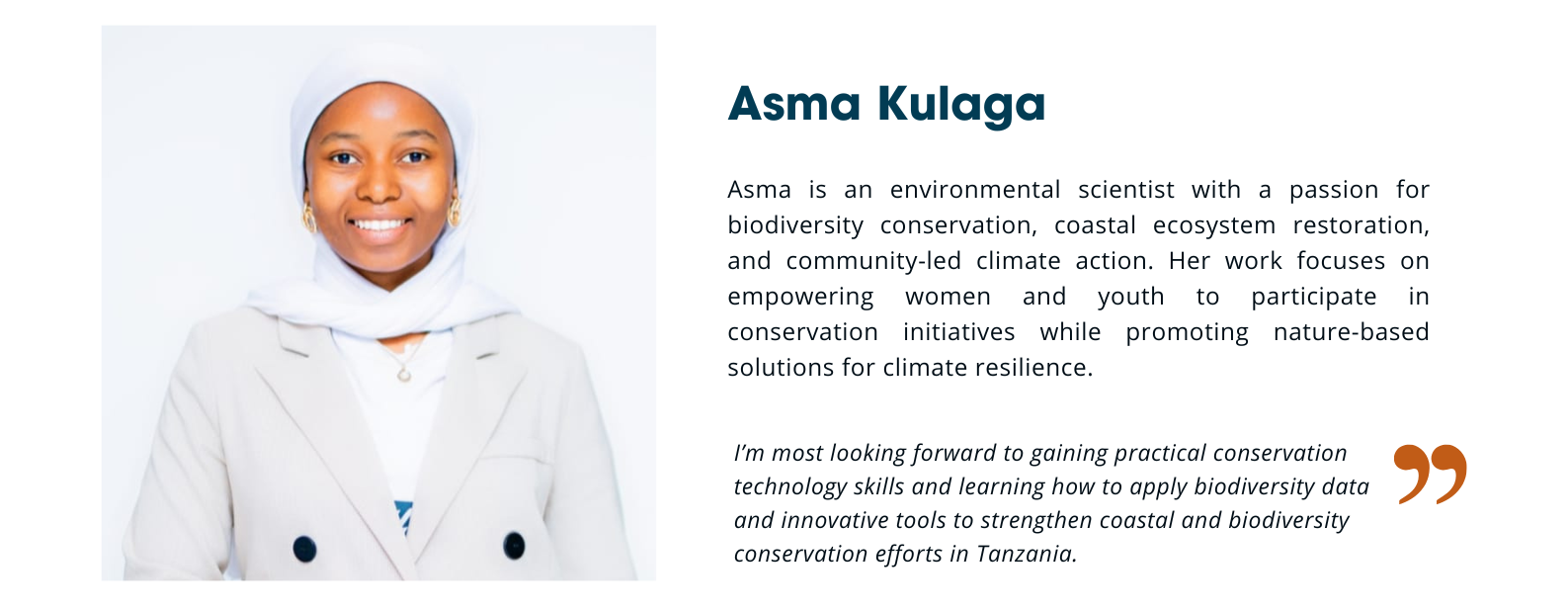
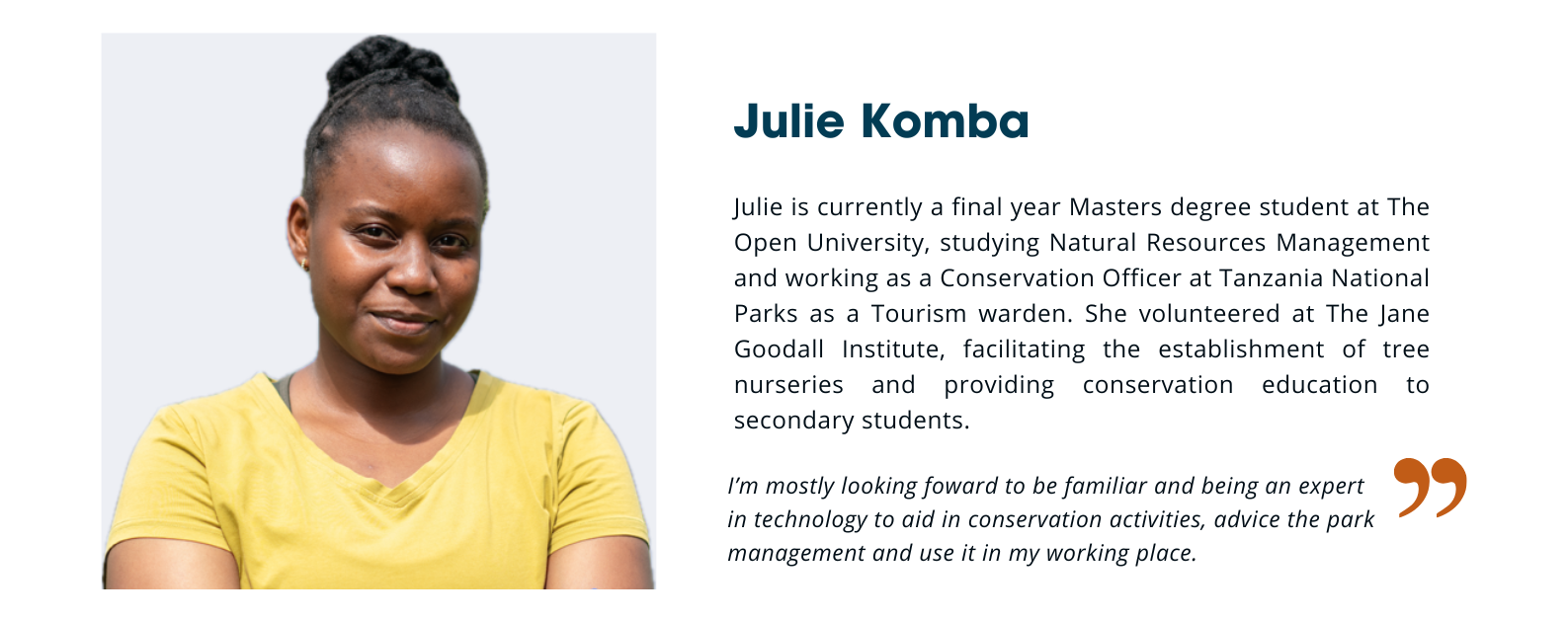
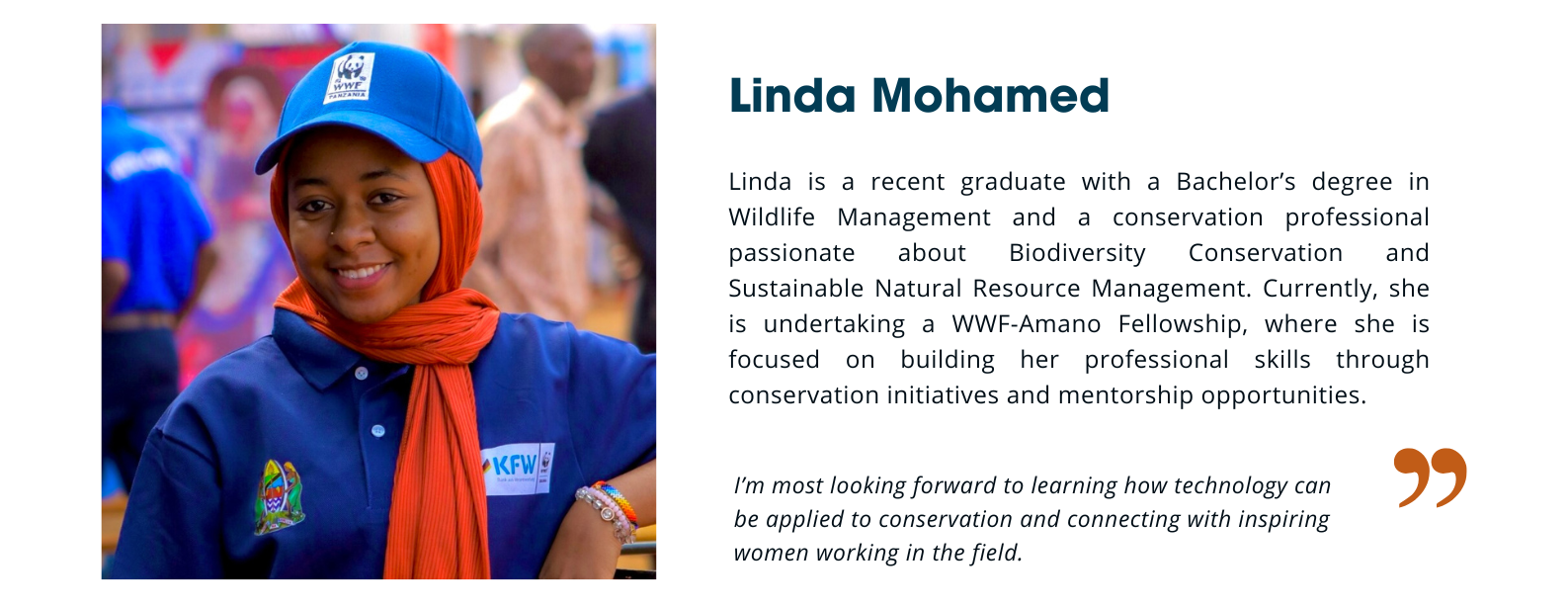
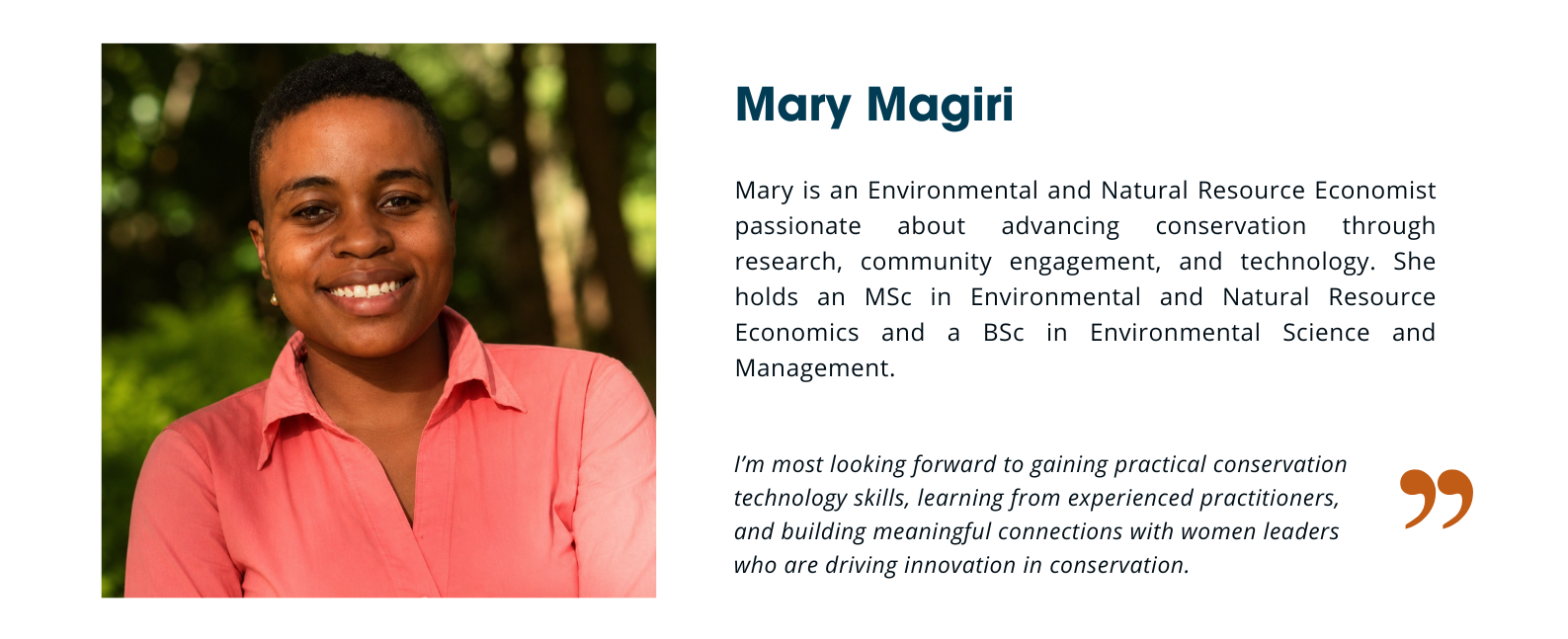
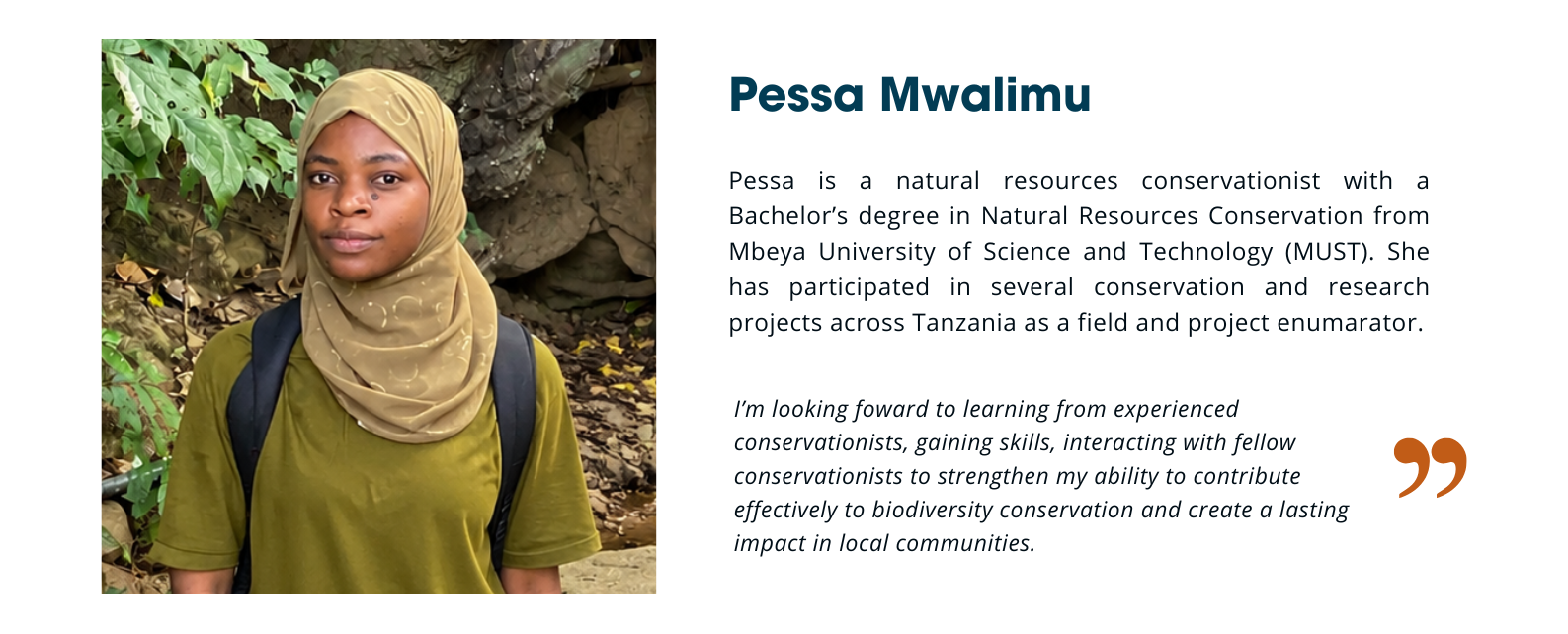
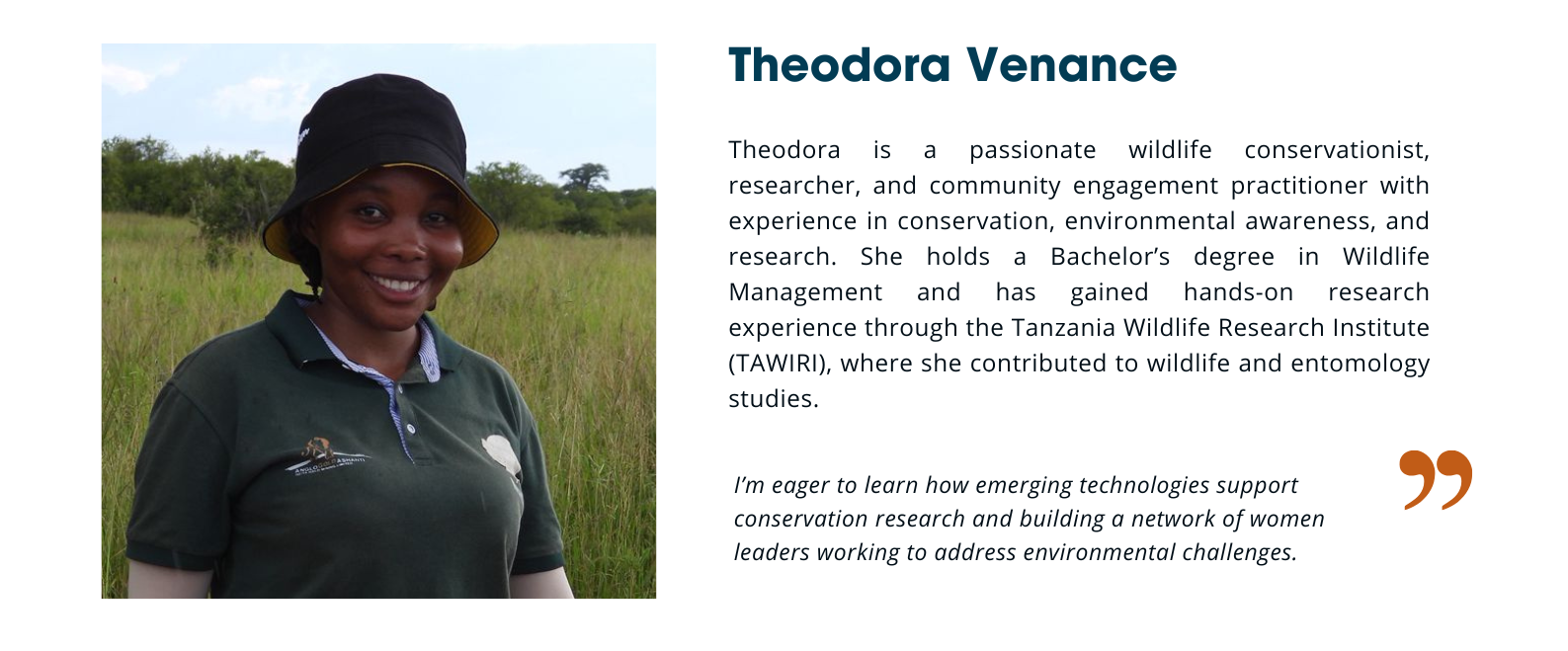
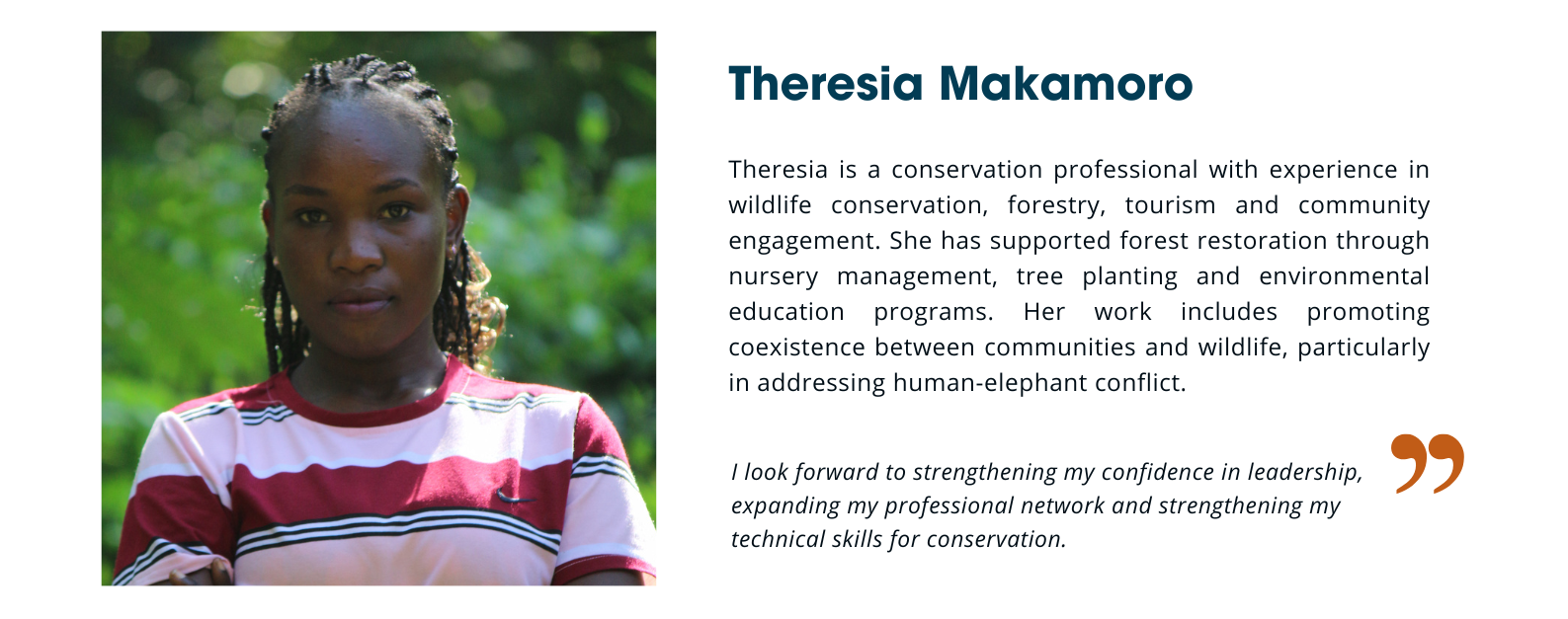
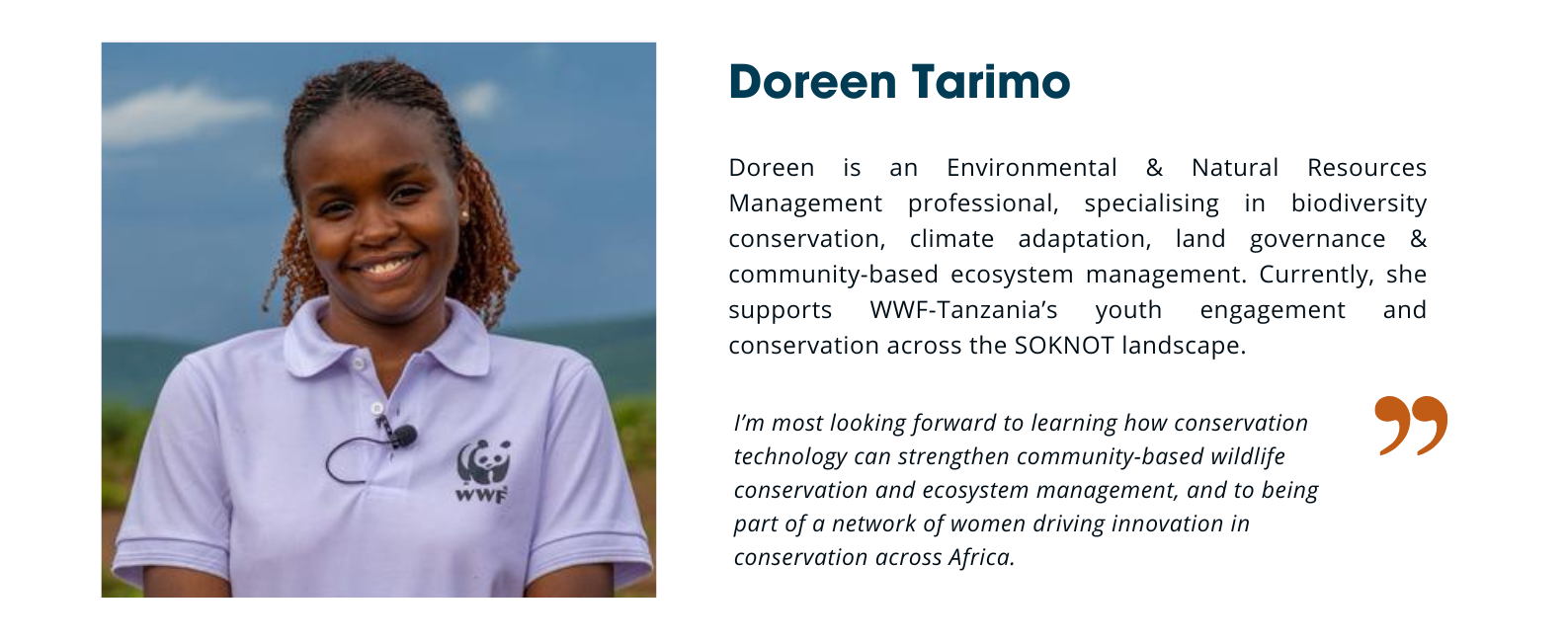
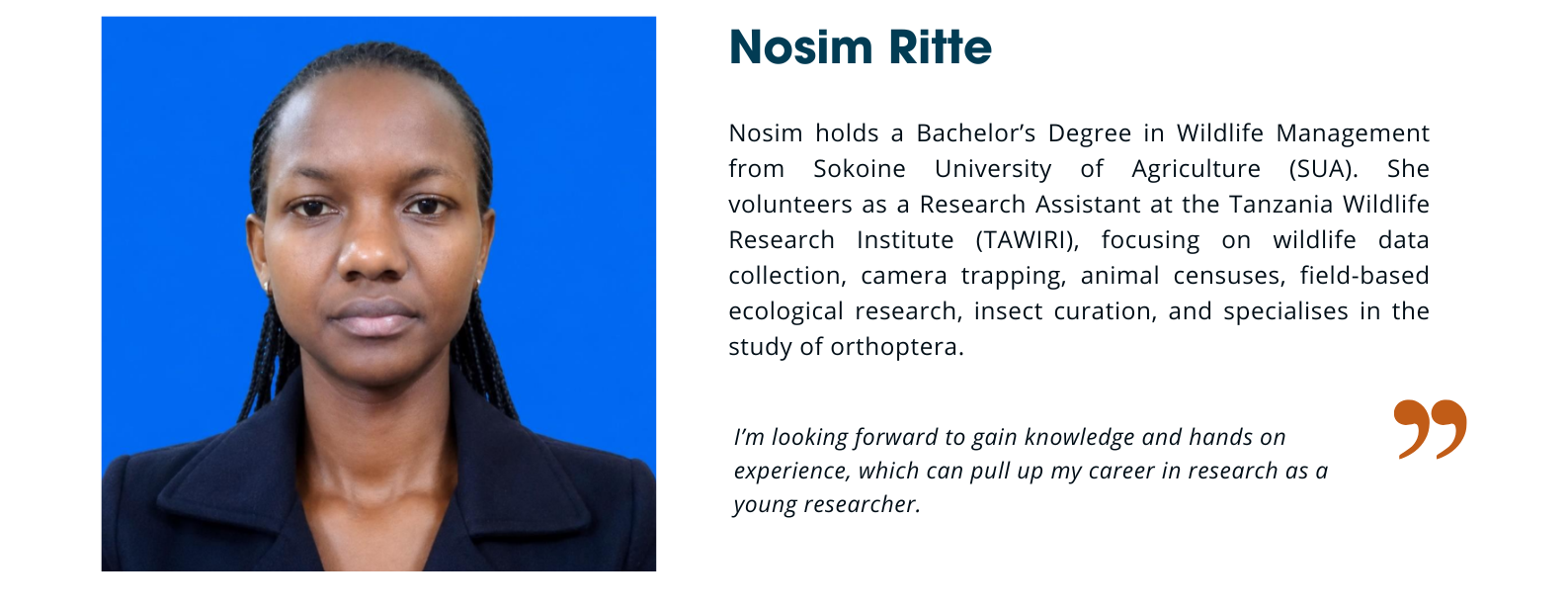
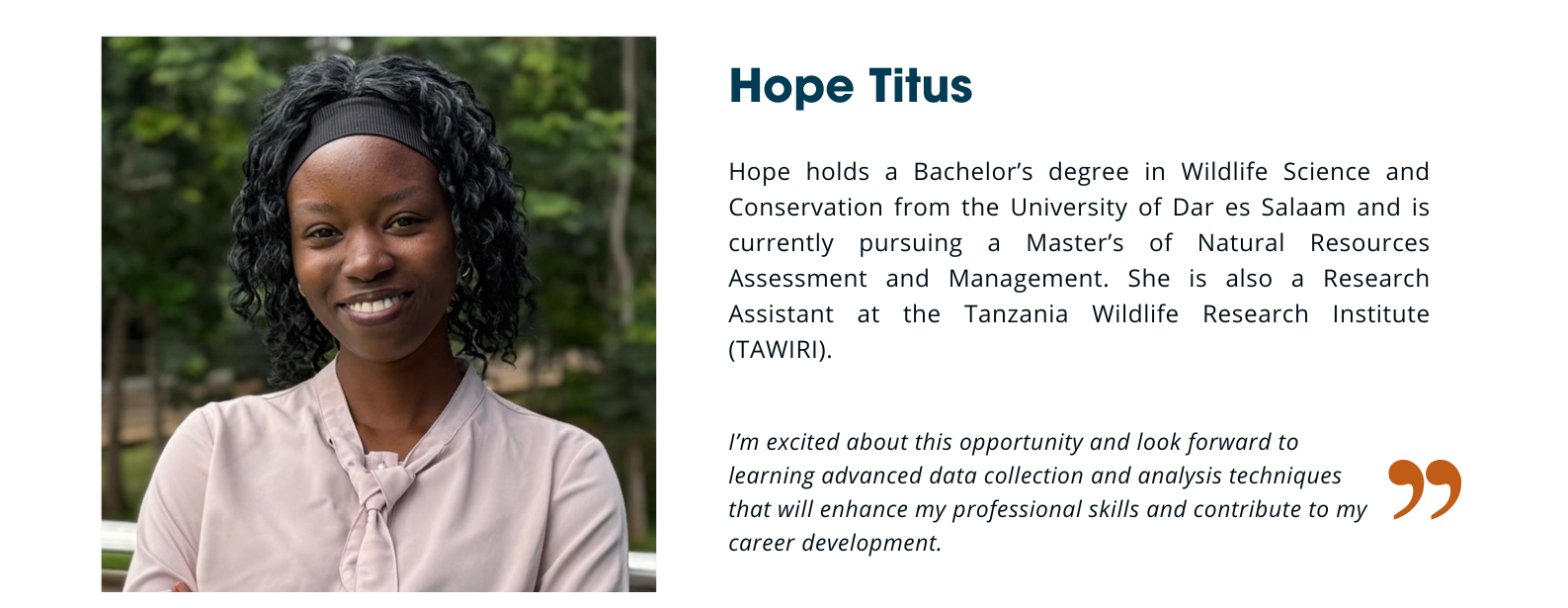
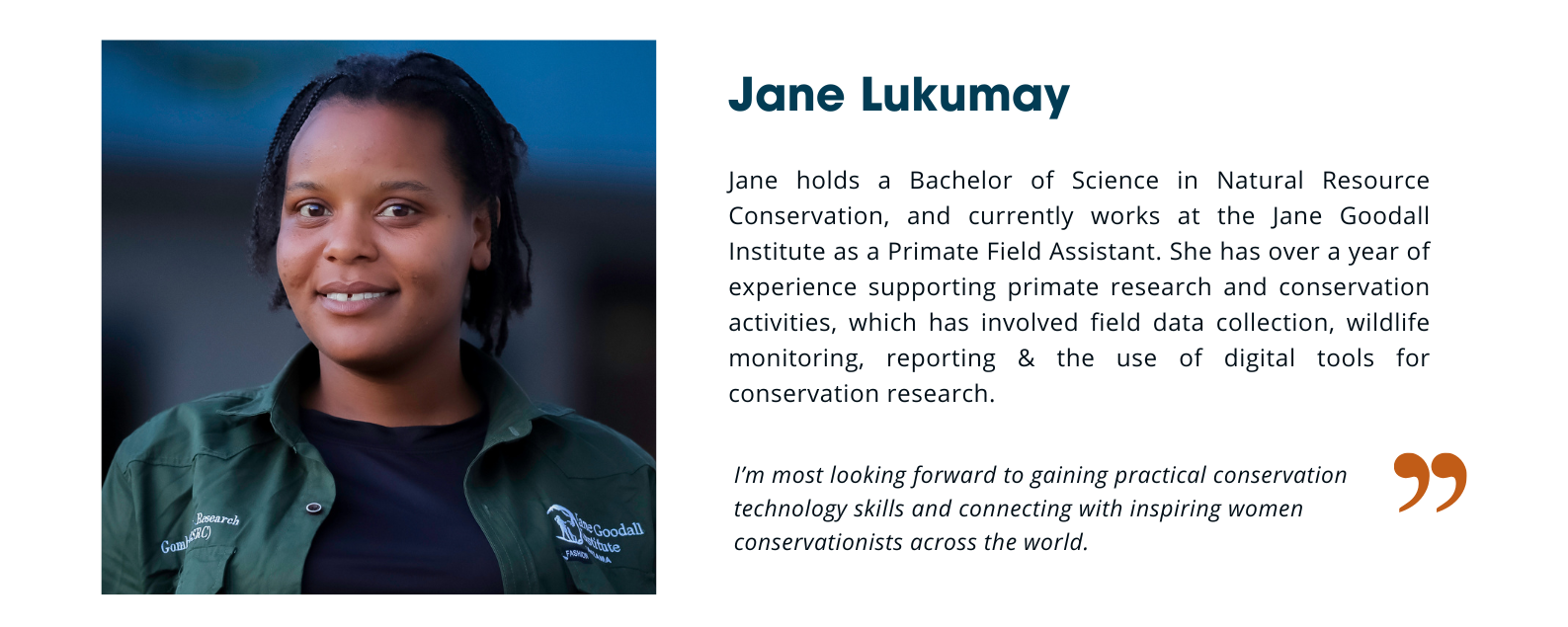
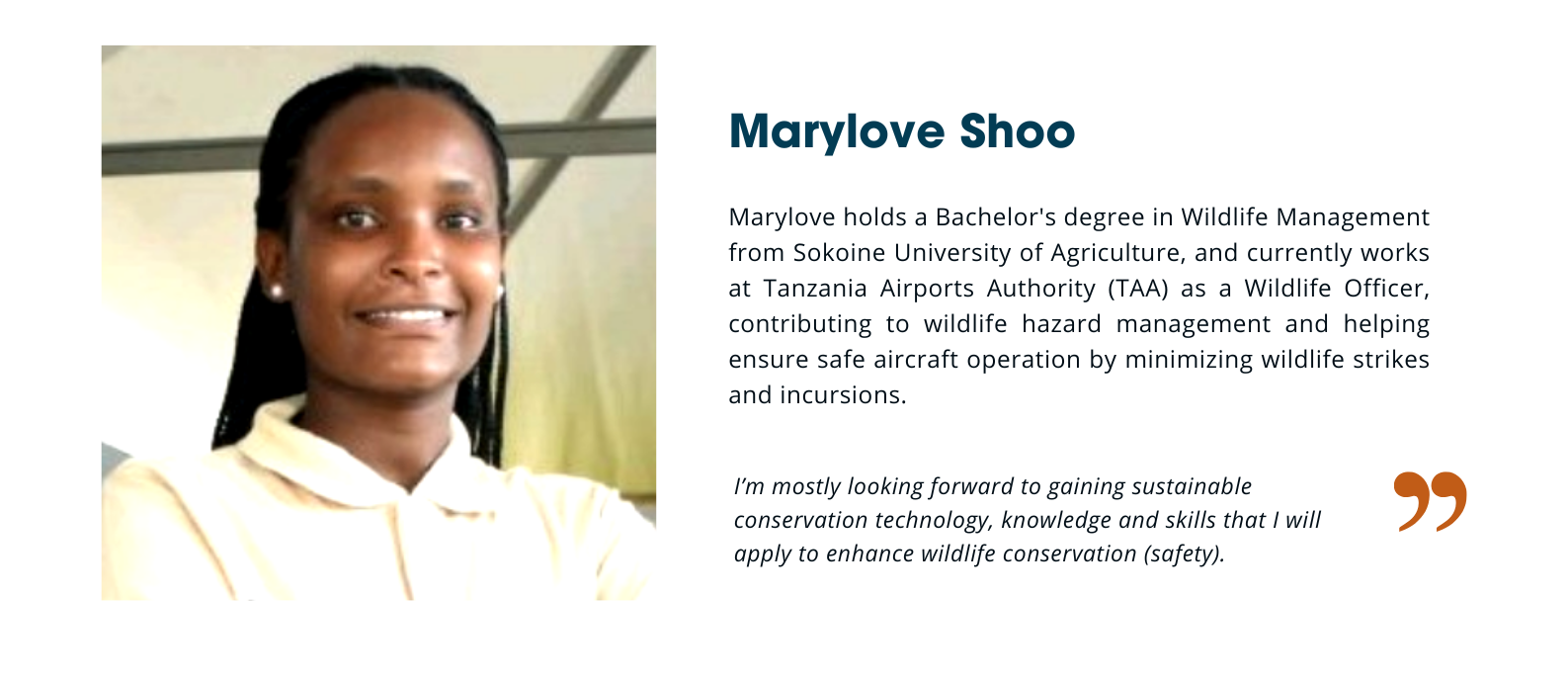
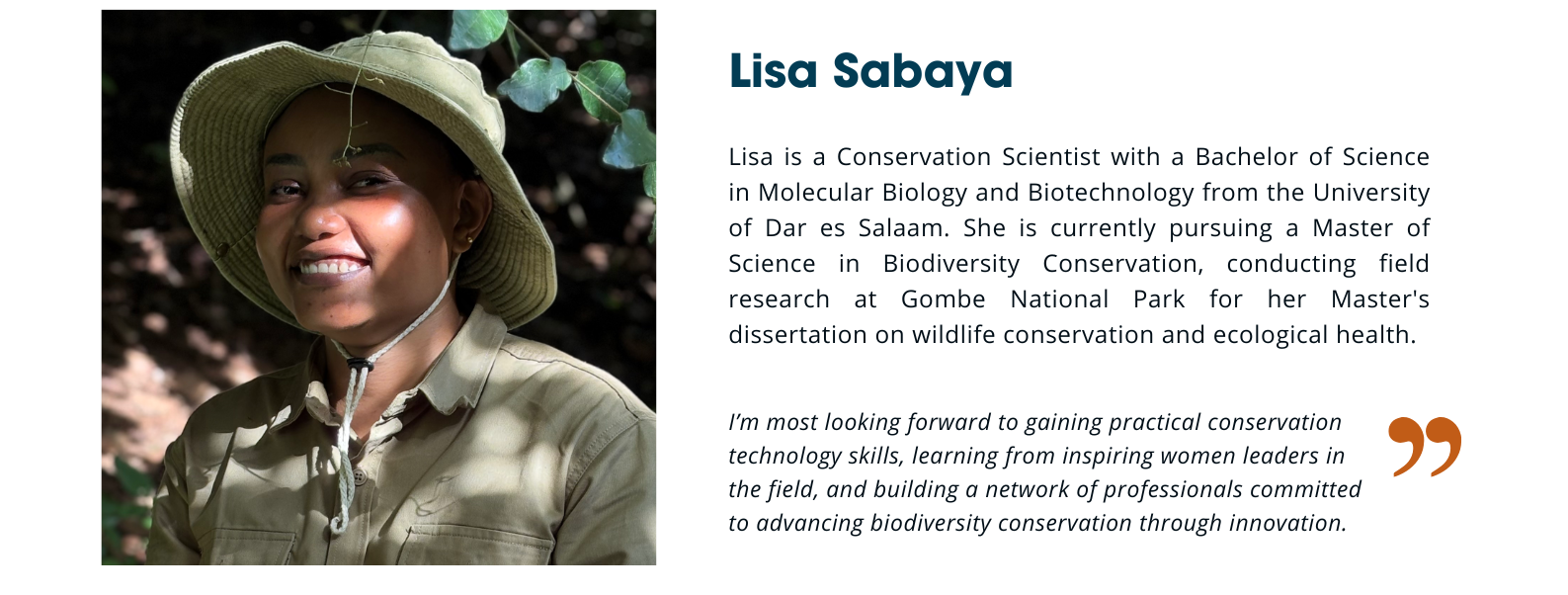
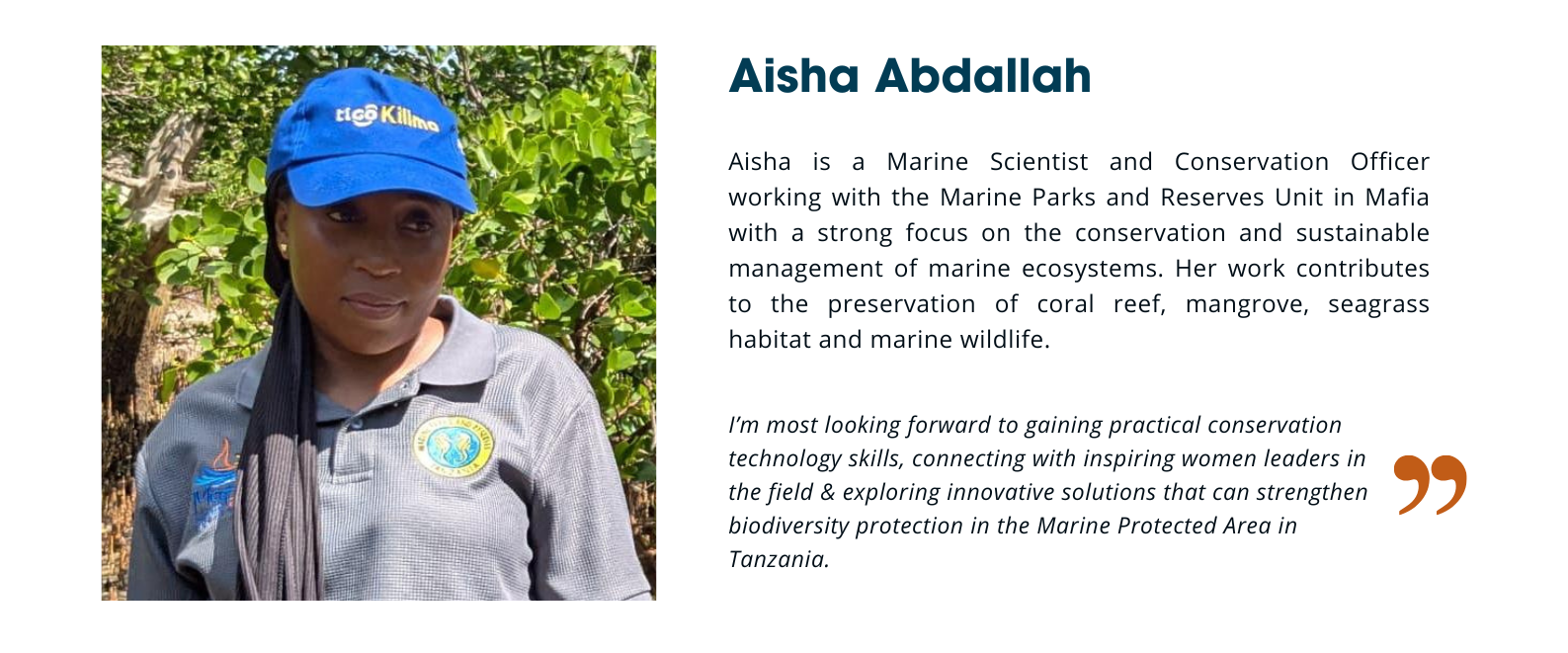
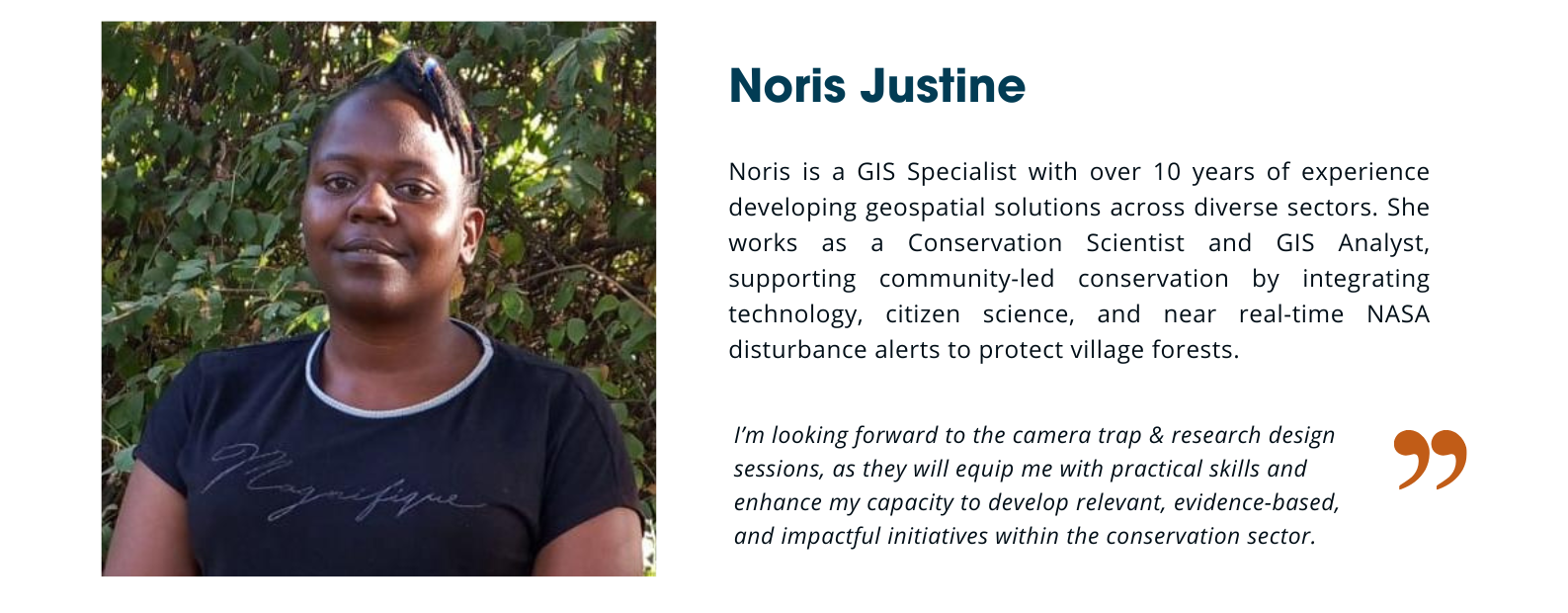
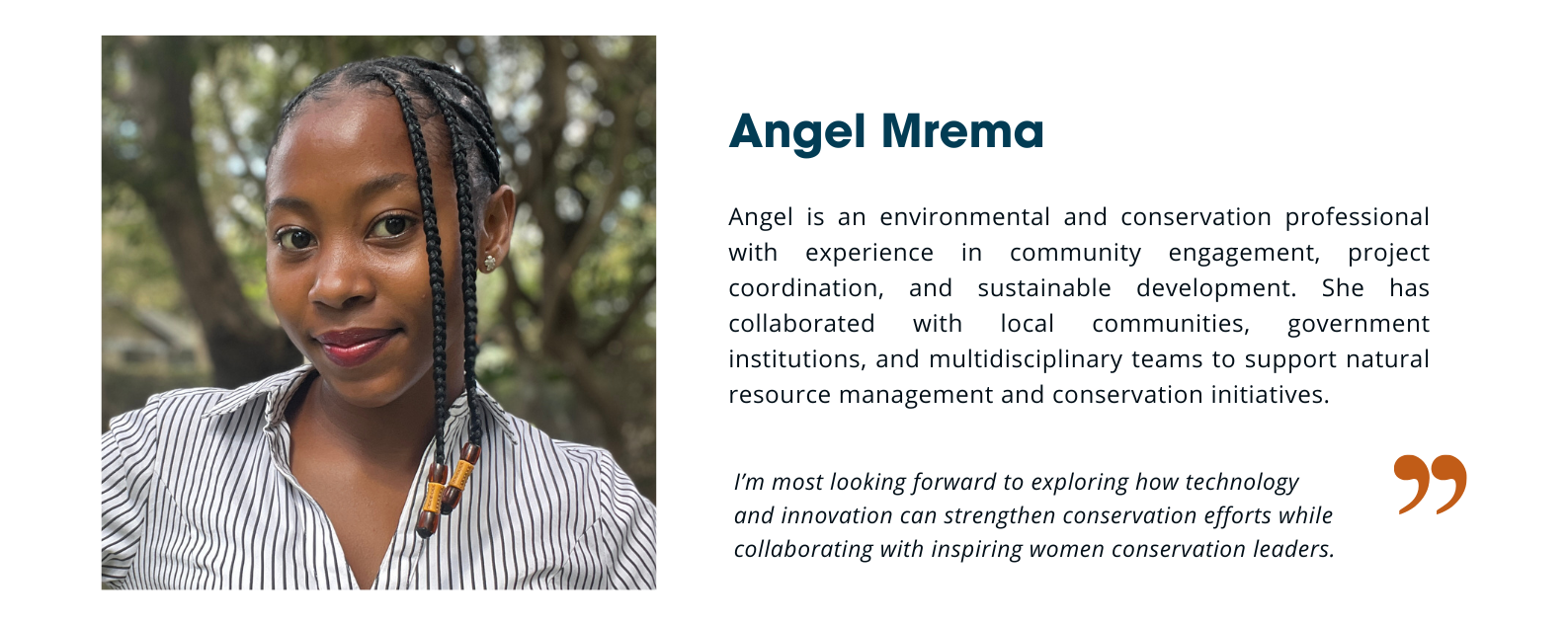
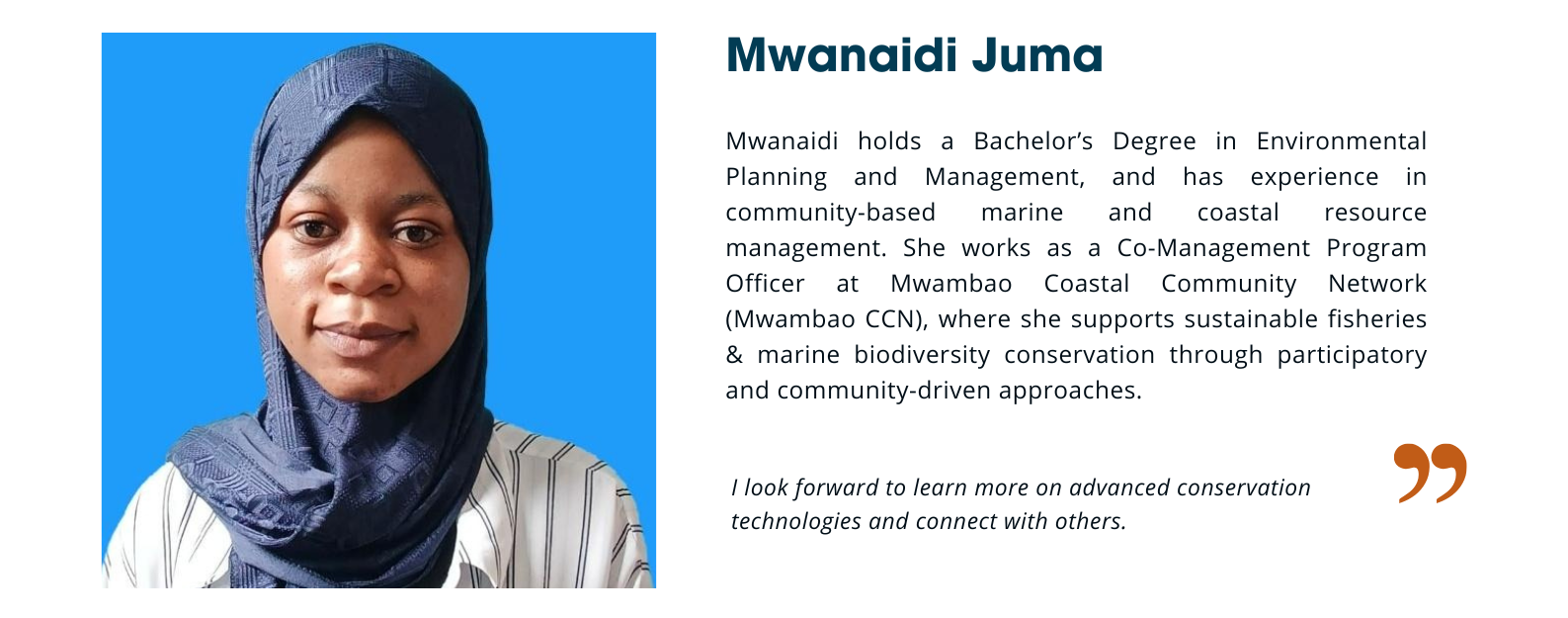
This year, as part of our updated programme, we are welcoming twenty early-career Tanzanian women in conservation. This increased cohort size will help to broaden access, strengthen collaboration, and amplify the collective impact of women advancing conservation efforts across Tanzania. We received nearly 100 applications, and participants were selected through a competitive review process. This cohort comprises emerging conservationists with backgrounds ranging from wildlife ecology to ecosystem restoration and fisheries management. Get to know our cohort for this year’s programme by checking out their profiles below.
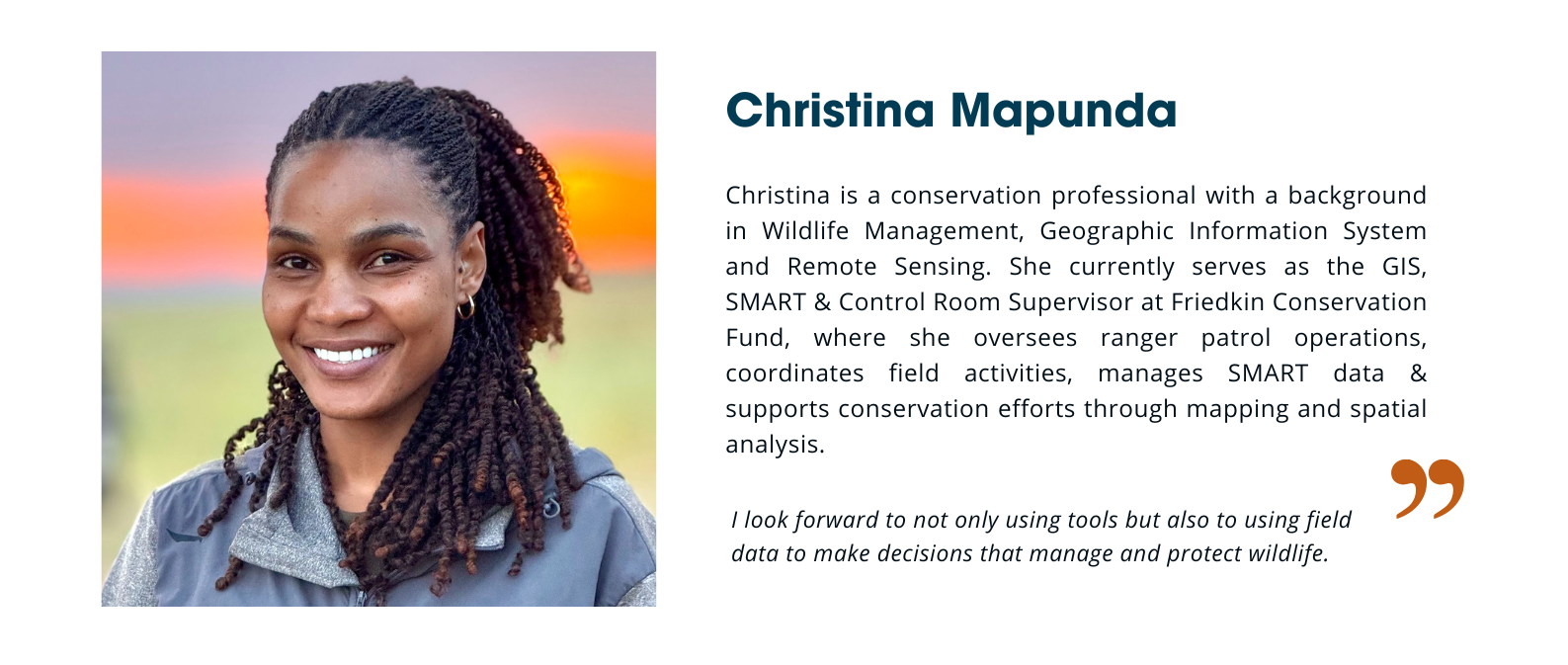
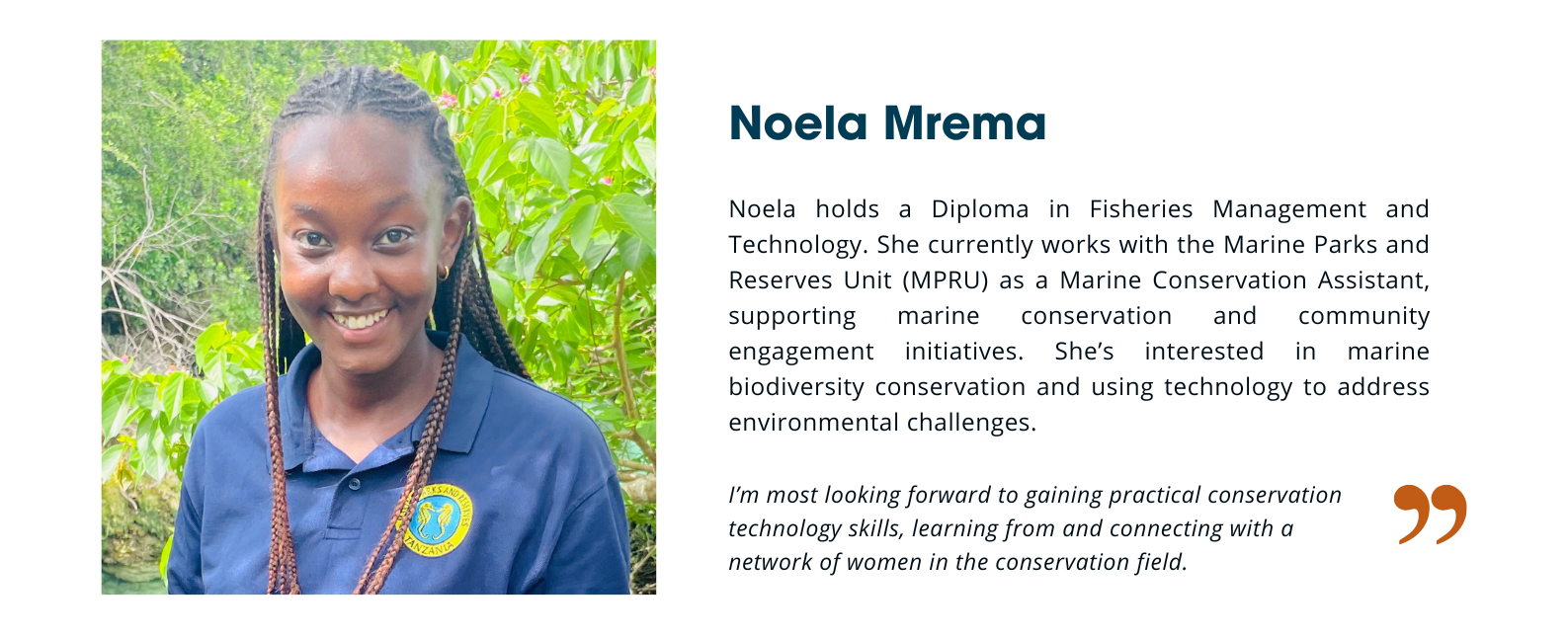
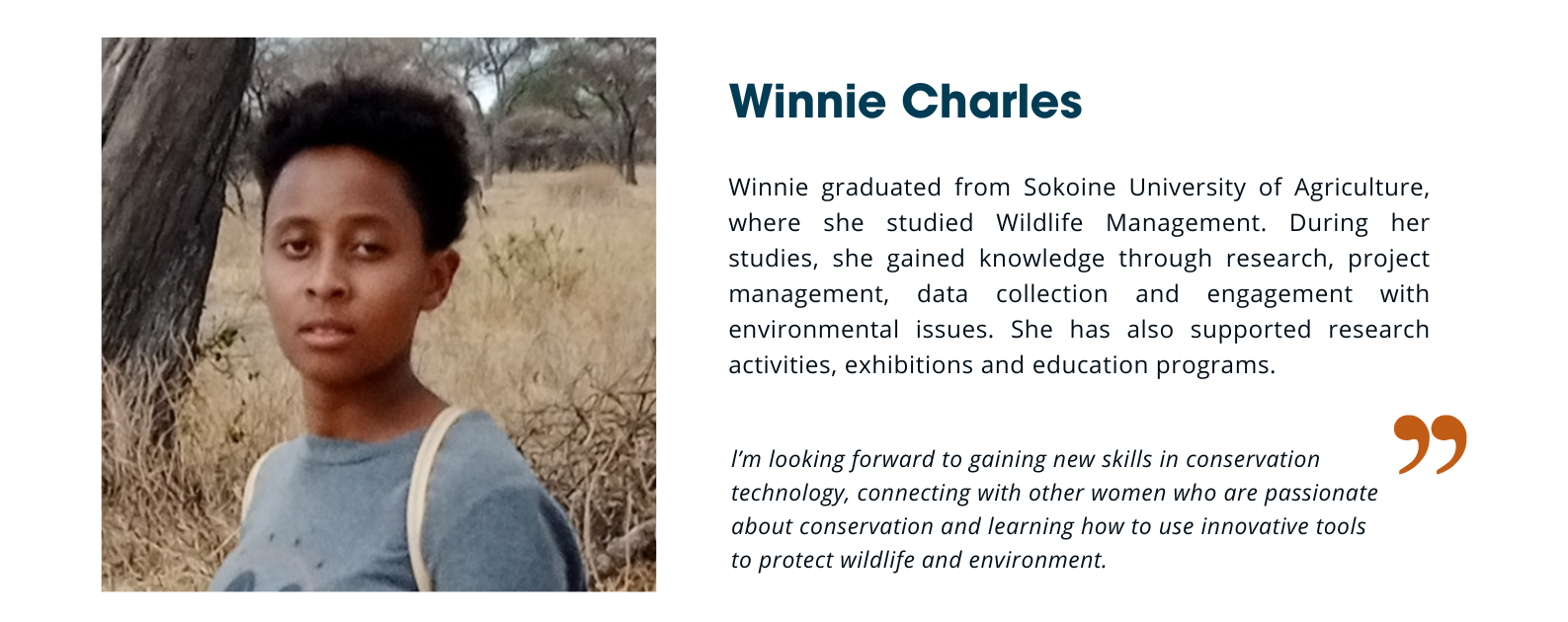
Benefits and Expectations
Participants will receive support for in-country travel and accommodation during both in-person workshops. Contributions to childcare costs will be made available to remove any barriers that may prevent participants from attending the workshops because of care responsibilities. After the conclusion of the first workshop, the six-month structured virtual training and second workshop will continue to build participants' technical expertise, strengthen their professional networks, and provide tailored support for them to develop biodiversity research projects aligned with conservation priorities.
Following the conclusion of the programme in early 2027, participants will continue to engage with their cohort, alumni network, and the broader conservation technology community. This network provides a platform for collaboration, knowledge sharing, and continued professional growth.
Stay in the loop
As we launch the fourth Women in Conservation Technology Programme, taking place in Tanzania, we invite you to follow our new cohort on their journey. Join the Women in Conservation Tech Programme (WiCT) WILDLABS Group to keep up to date with the programme activities. Regular updates will also be posted on our X, Instagram, Bluesky and LinkedIn pages. Follow along to learn more!
Related content
Article
Women in Conservation Technology, Tanzania: Unveiling Our Cohort

WILDLABS Team and 3 more
We are excited to announce the commencement of our second Women in Conservation Technology Programme! This year, we’re partnering with the Grumeti Fund and Fauna & Flora to bring the programme to Tanzania. Our first...
23 June 2023
Article
Meet Our Cohort & Mentors: Women in Conservation Technology Programme, Tanzania 2024
WILDLABS Team and 2 more
We are excited to announce the commencement of our third Women in Conservation Technology Programme in partnership with the Grumeti Fund and Fauna & Flora, as we bring the programme back to Tanzania. Our first in-...
30 May 2024
Article
Apply Now: 2026 Women in Conservation Technology Programme, Tanzania
WILDLABS Team and 1 more
We are launching the 2026–2027 Women in Conservation Technology Programme to support early-career Tanzanian women in conservation to build their skills, explore new technologies, and join a dynamic network shaping the...
16 April 2026
Add the first post in this thread.