




Project HEDGE
Passive Hedgehog
Monitoring Project
Progress Report Oct. 2025

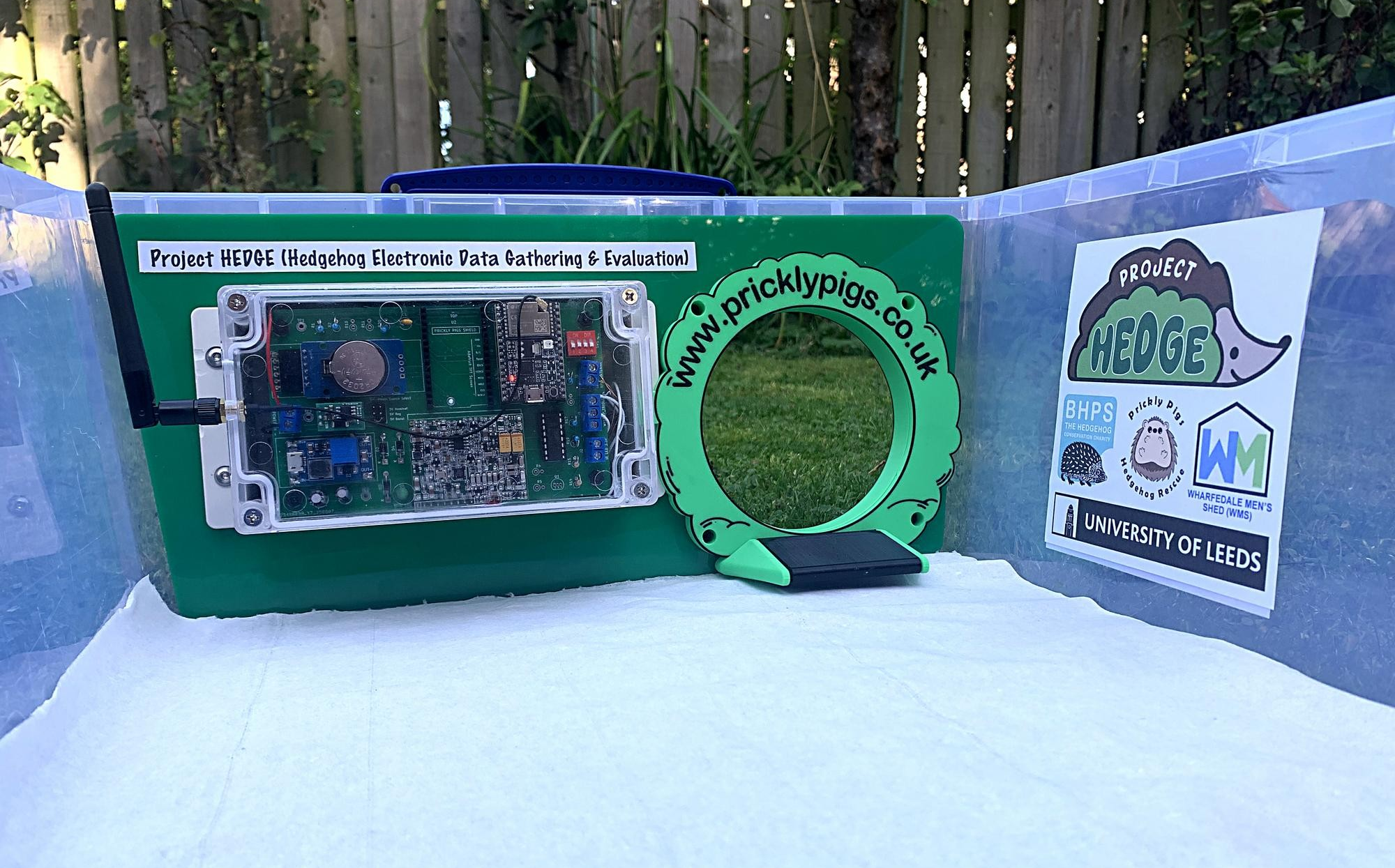
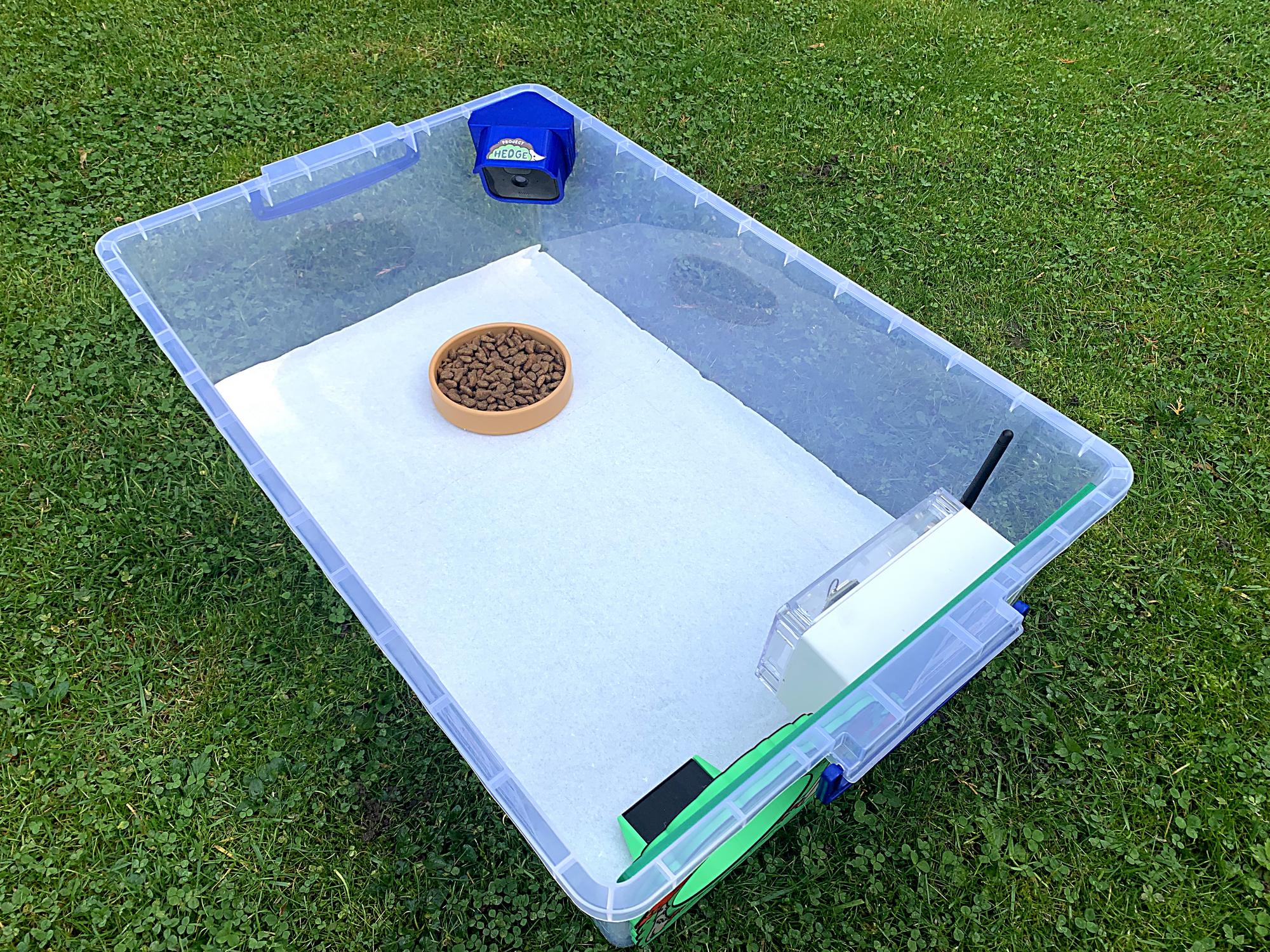
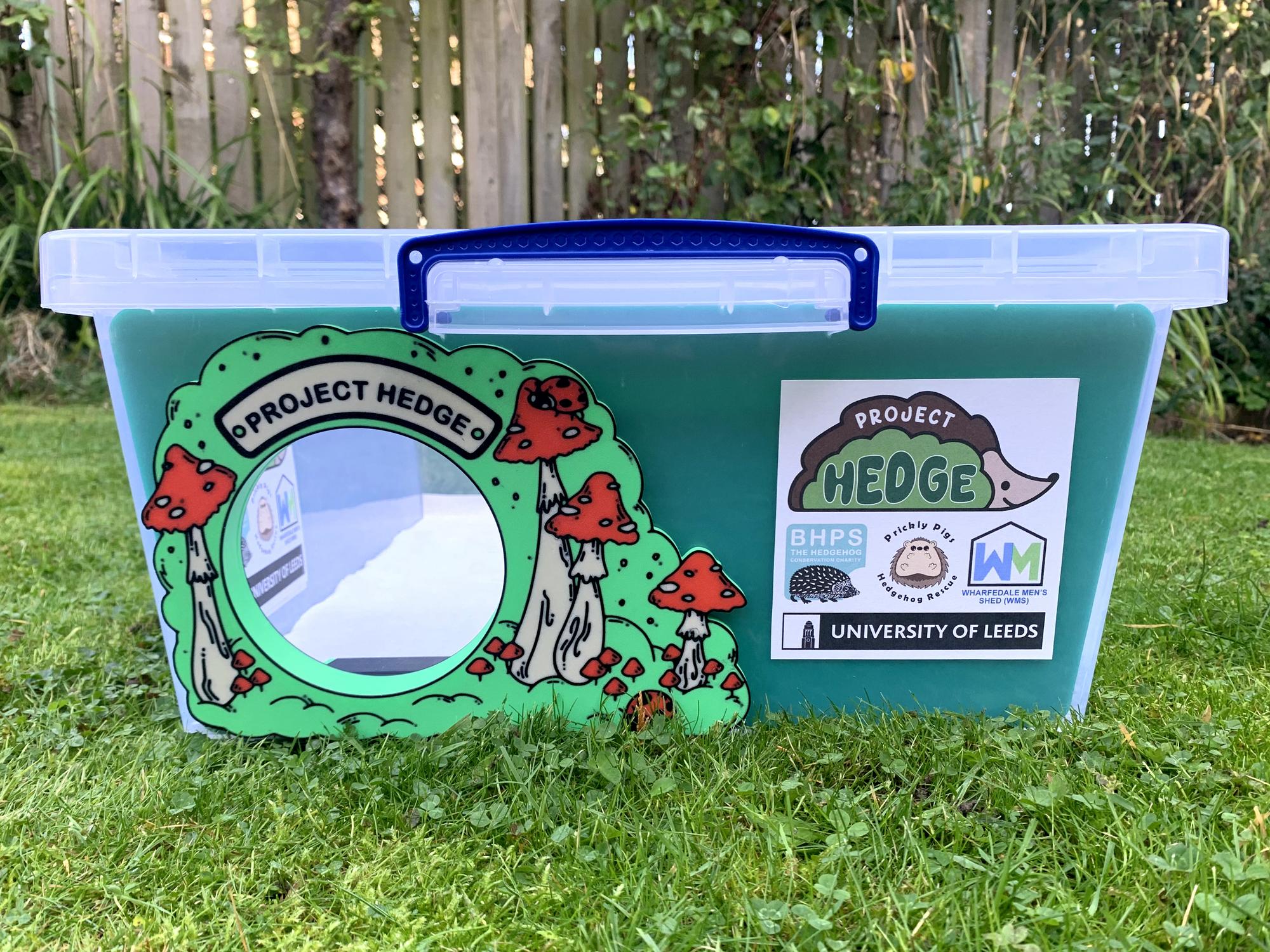
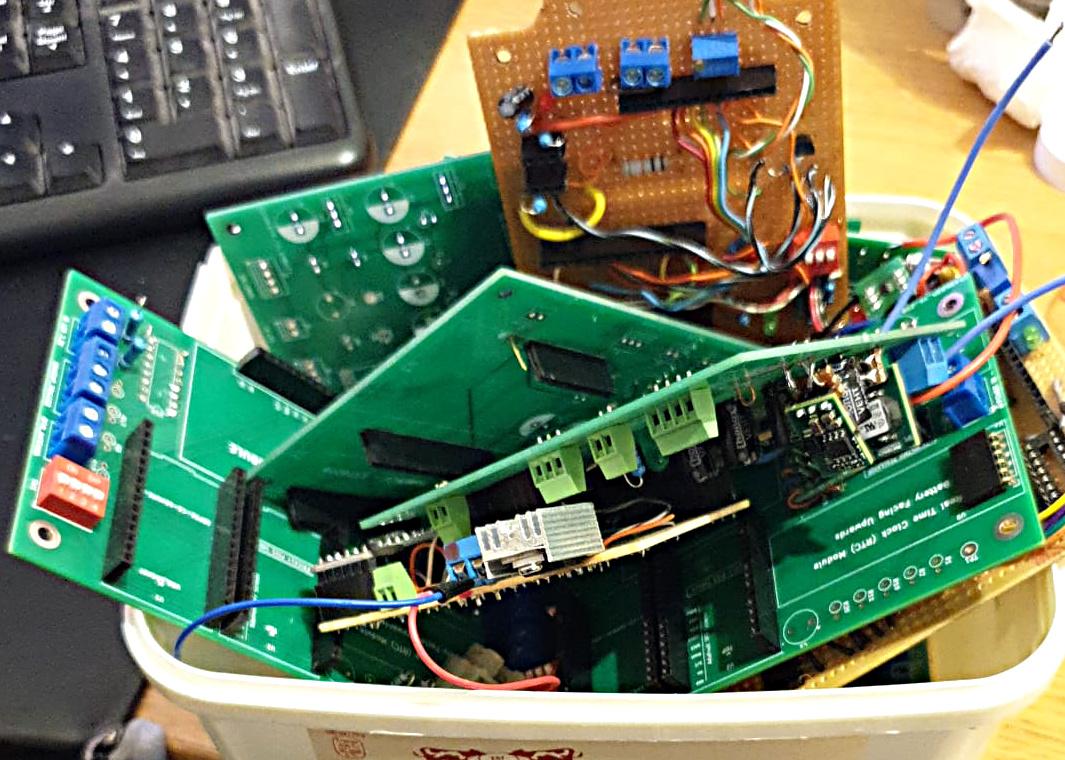
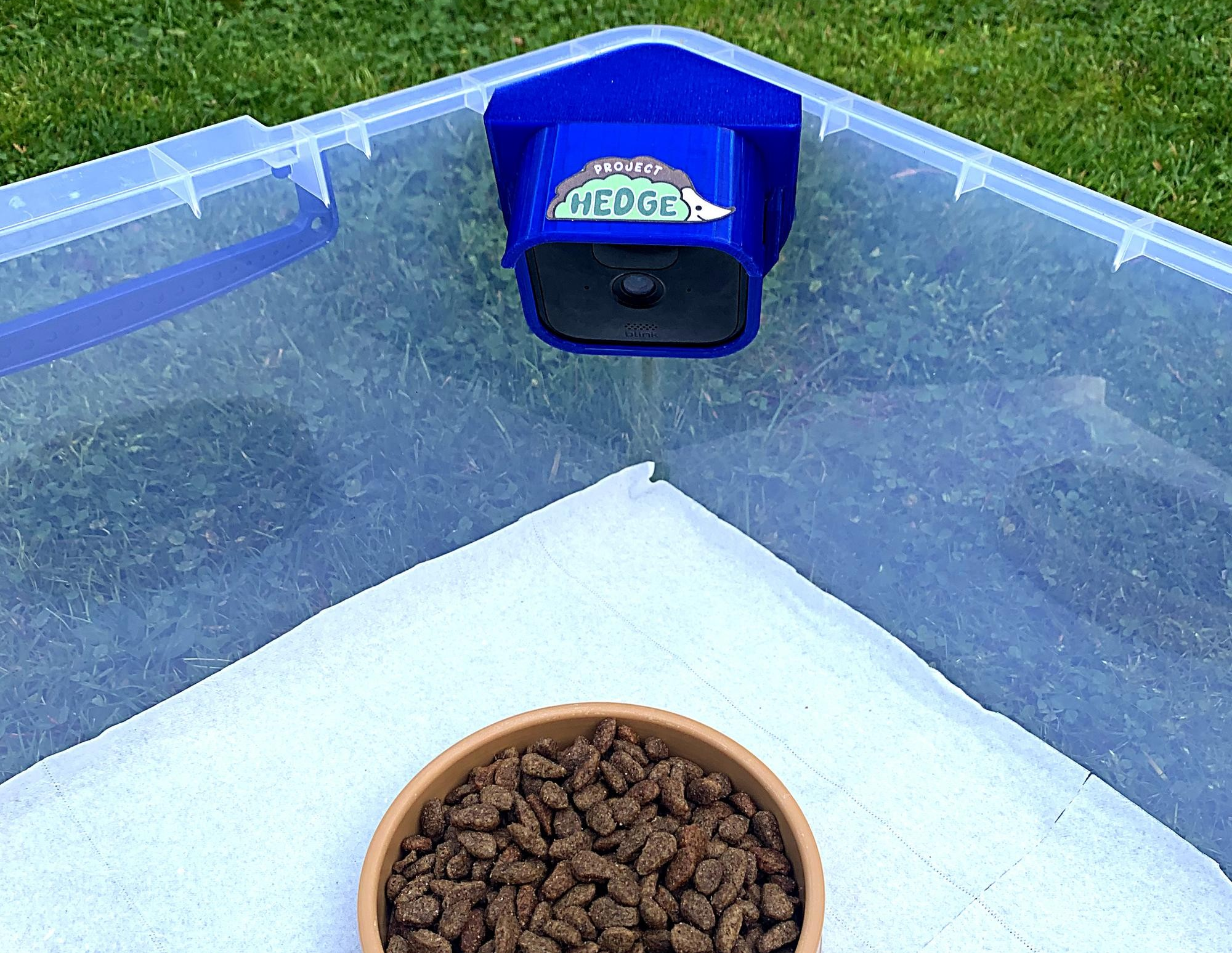
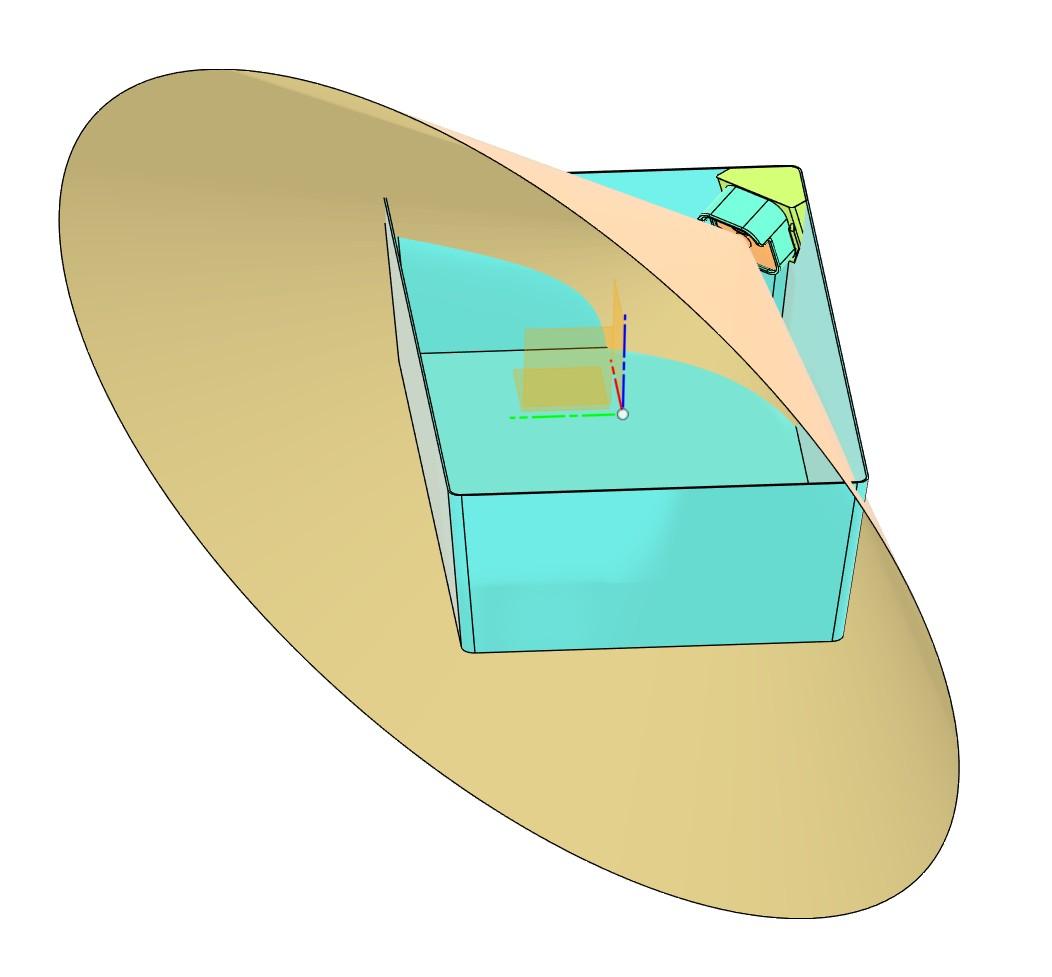
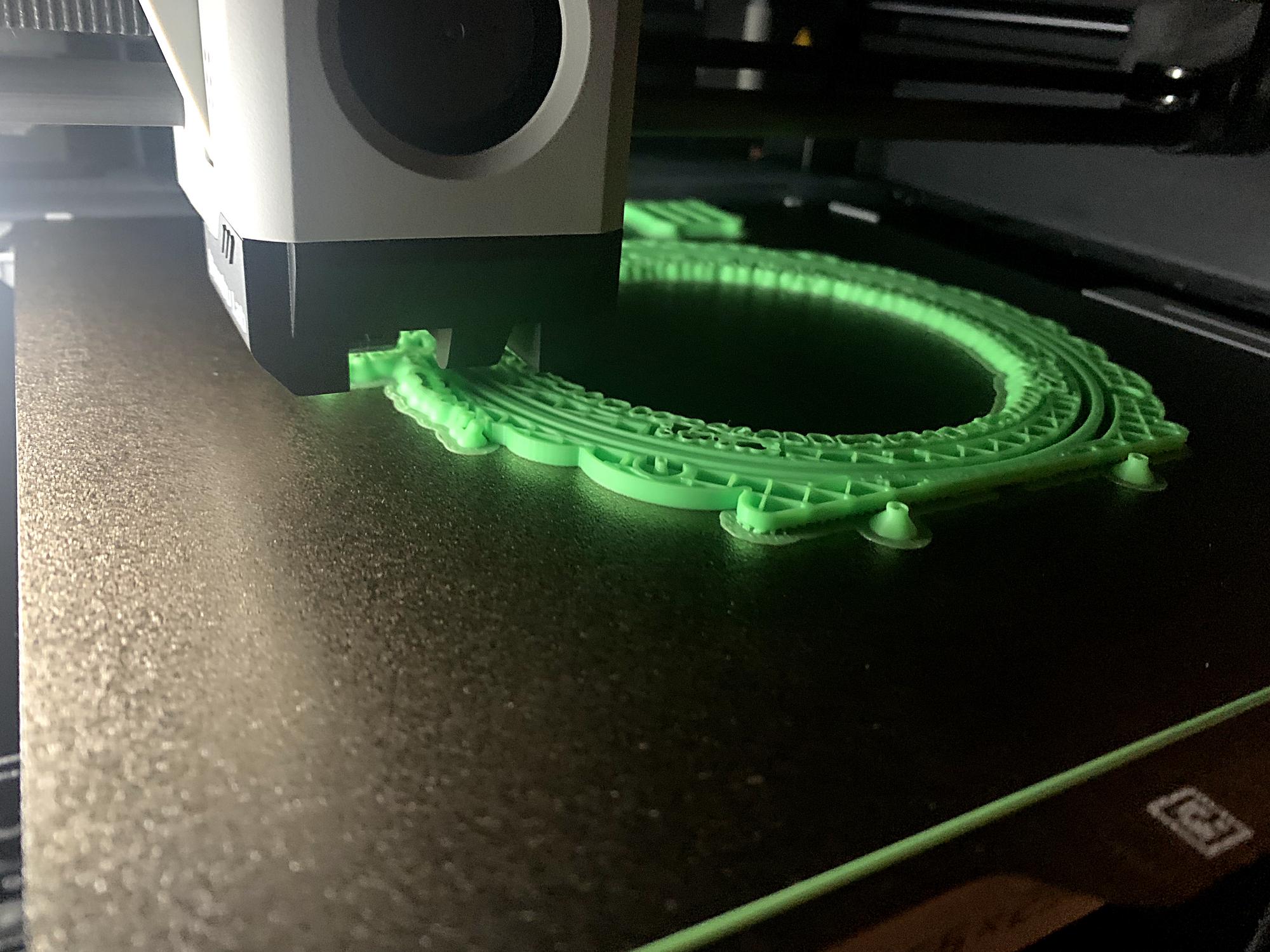
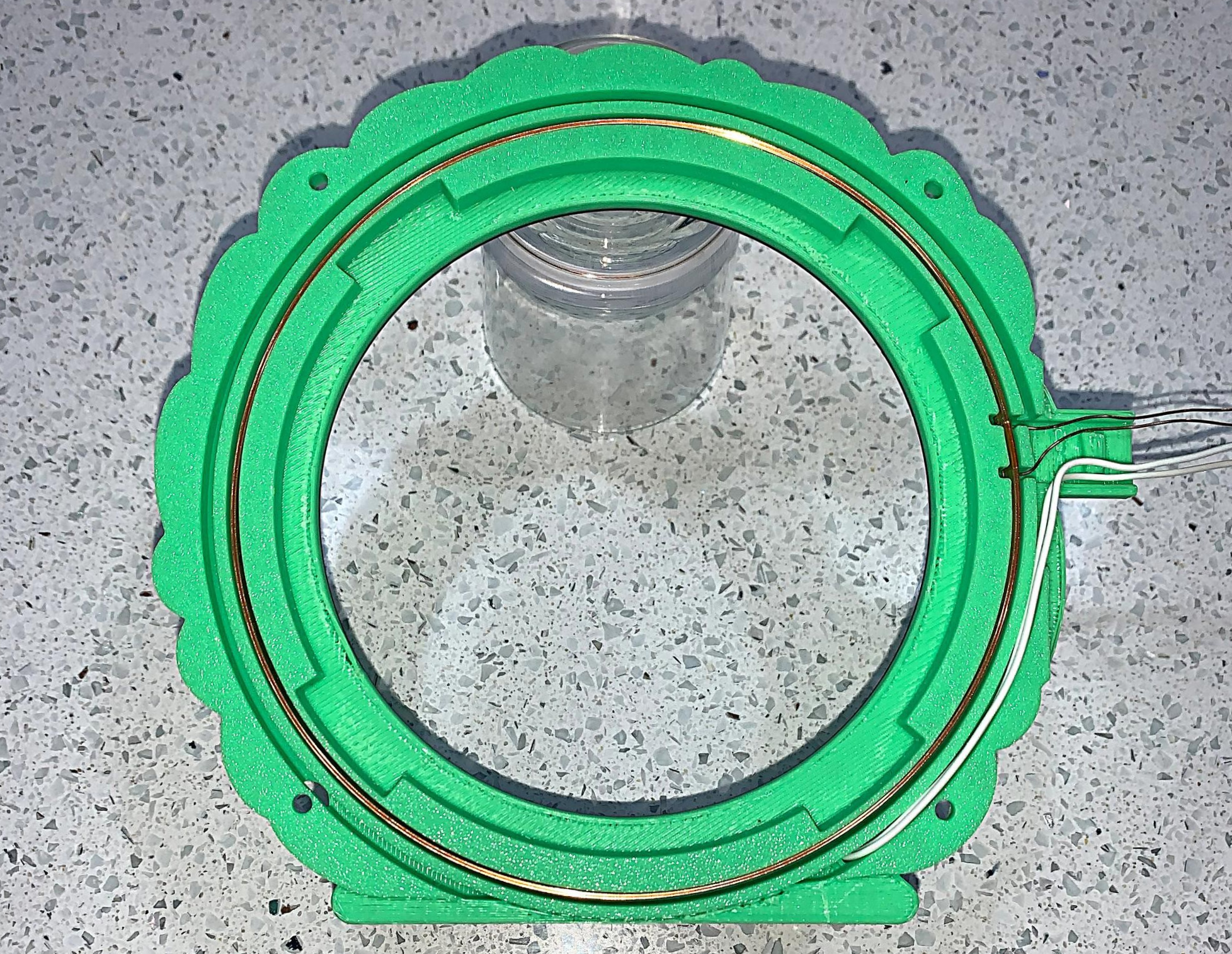
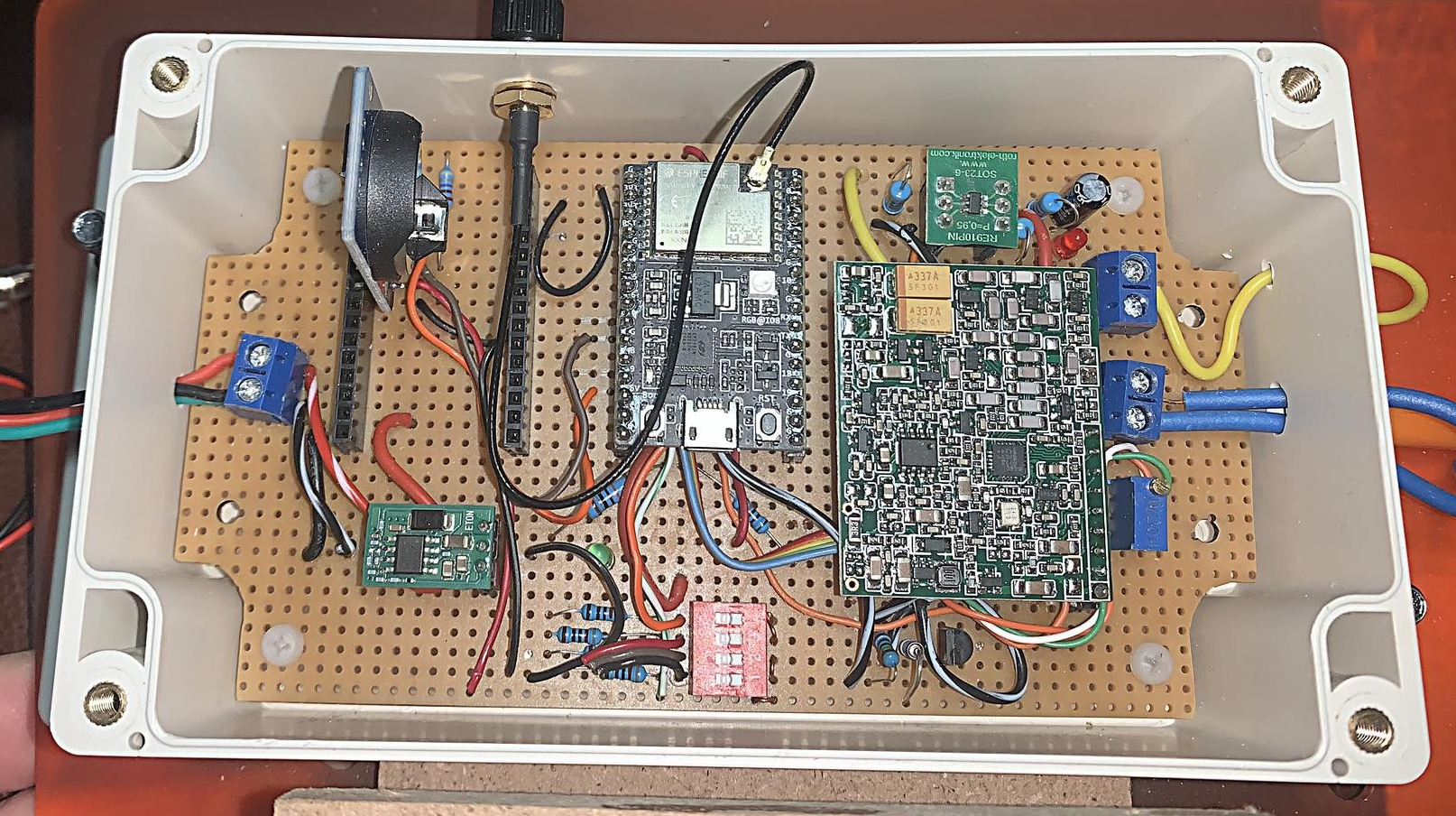
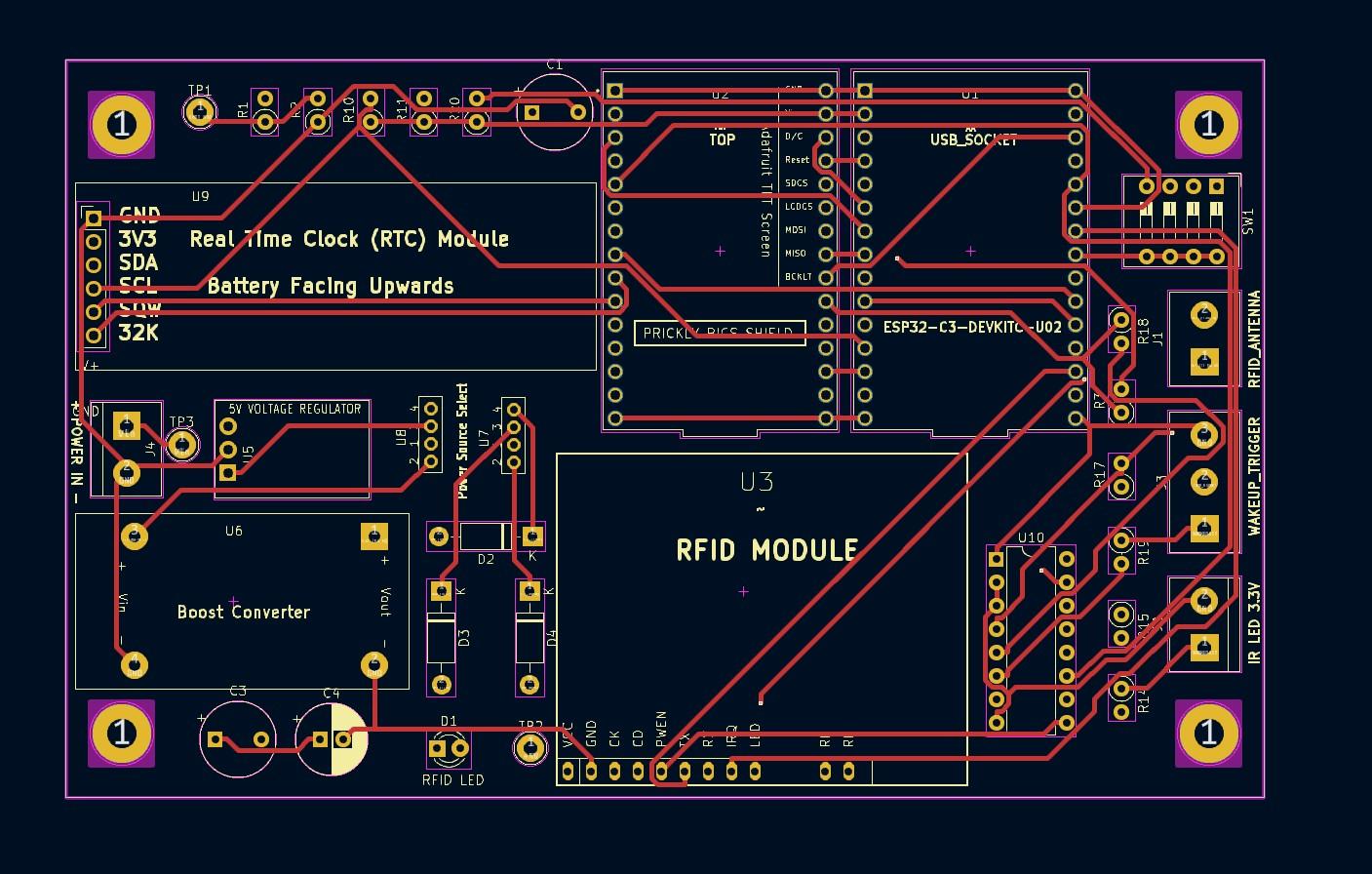
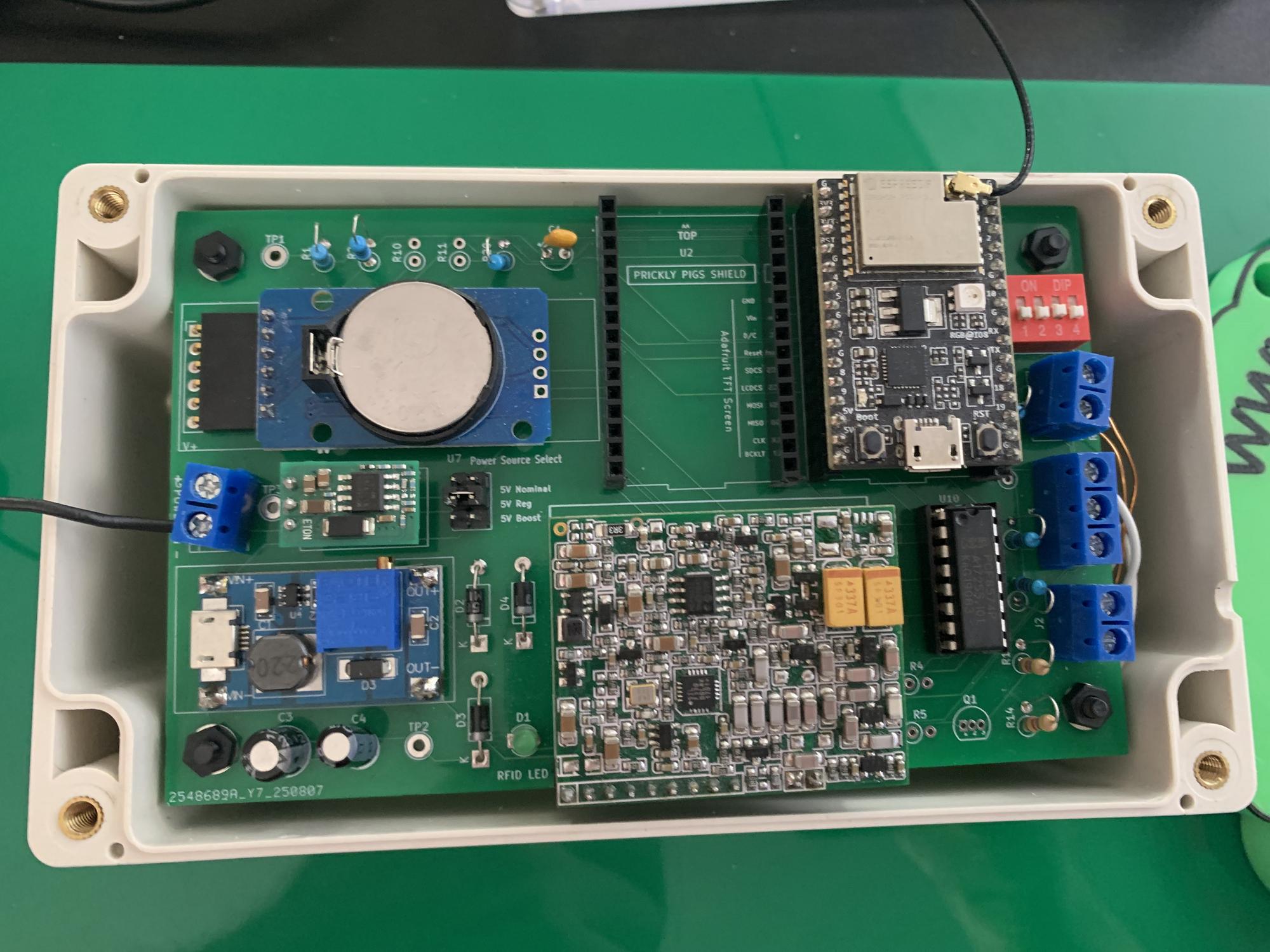
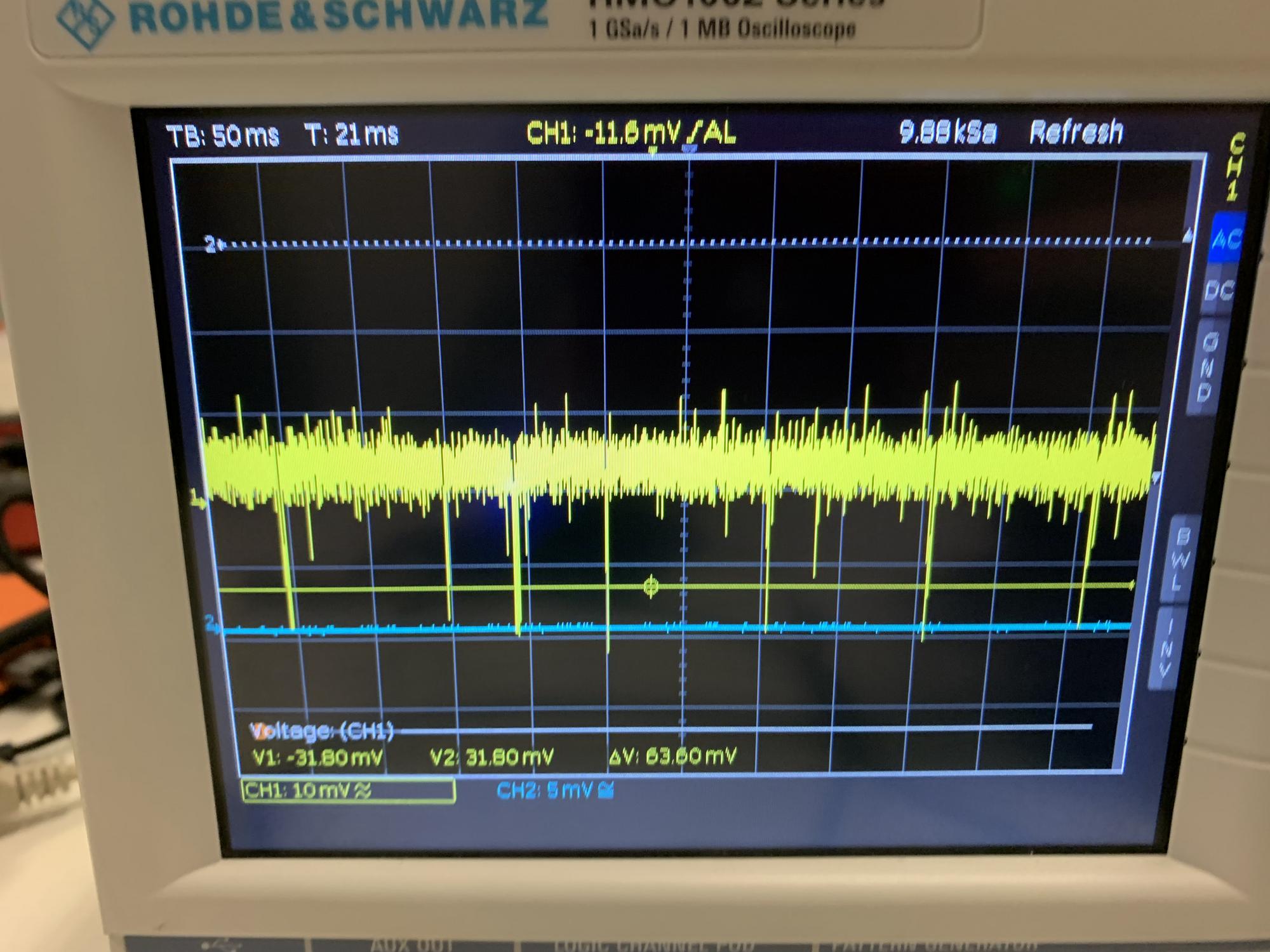
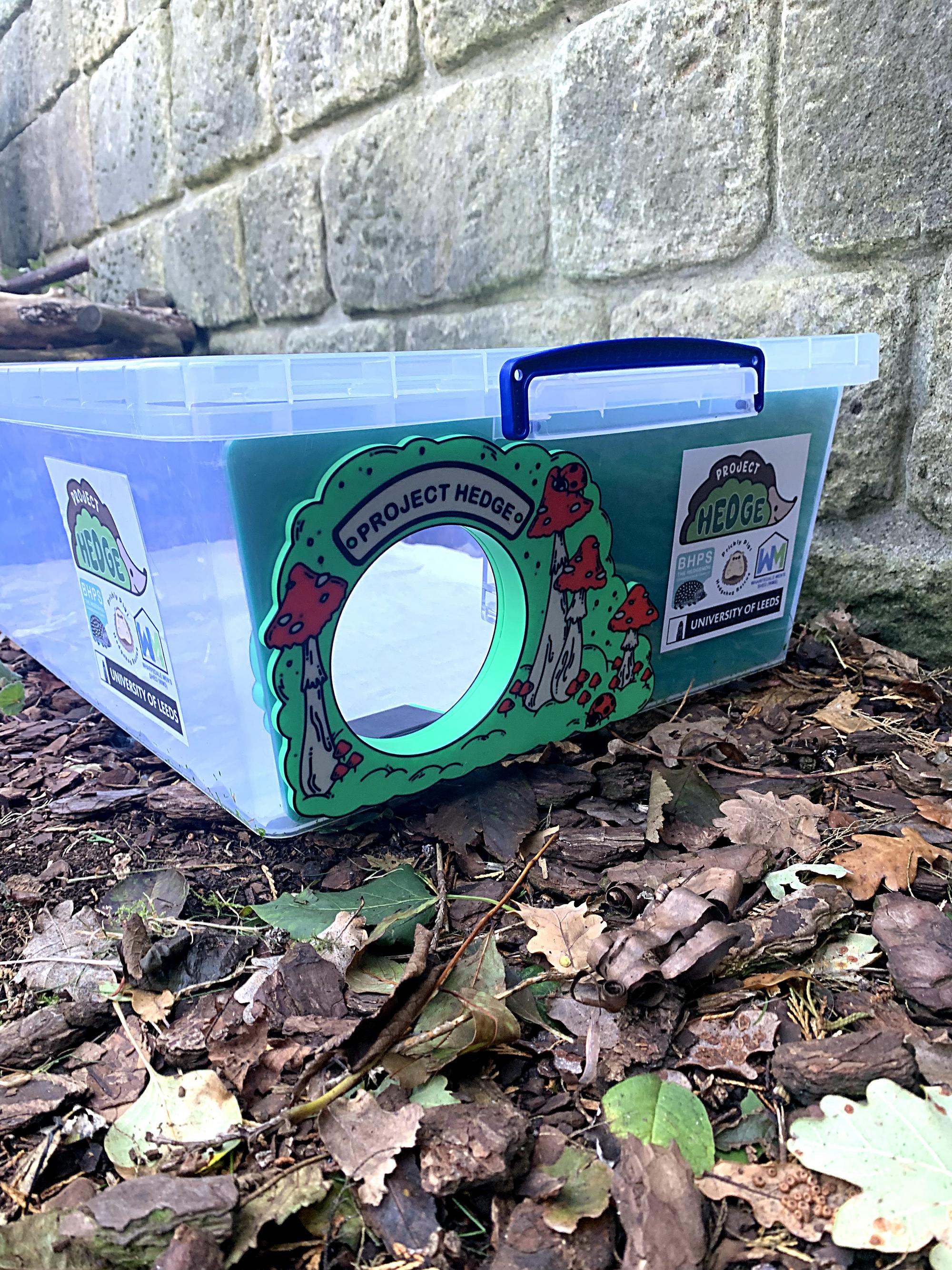
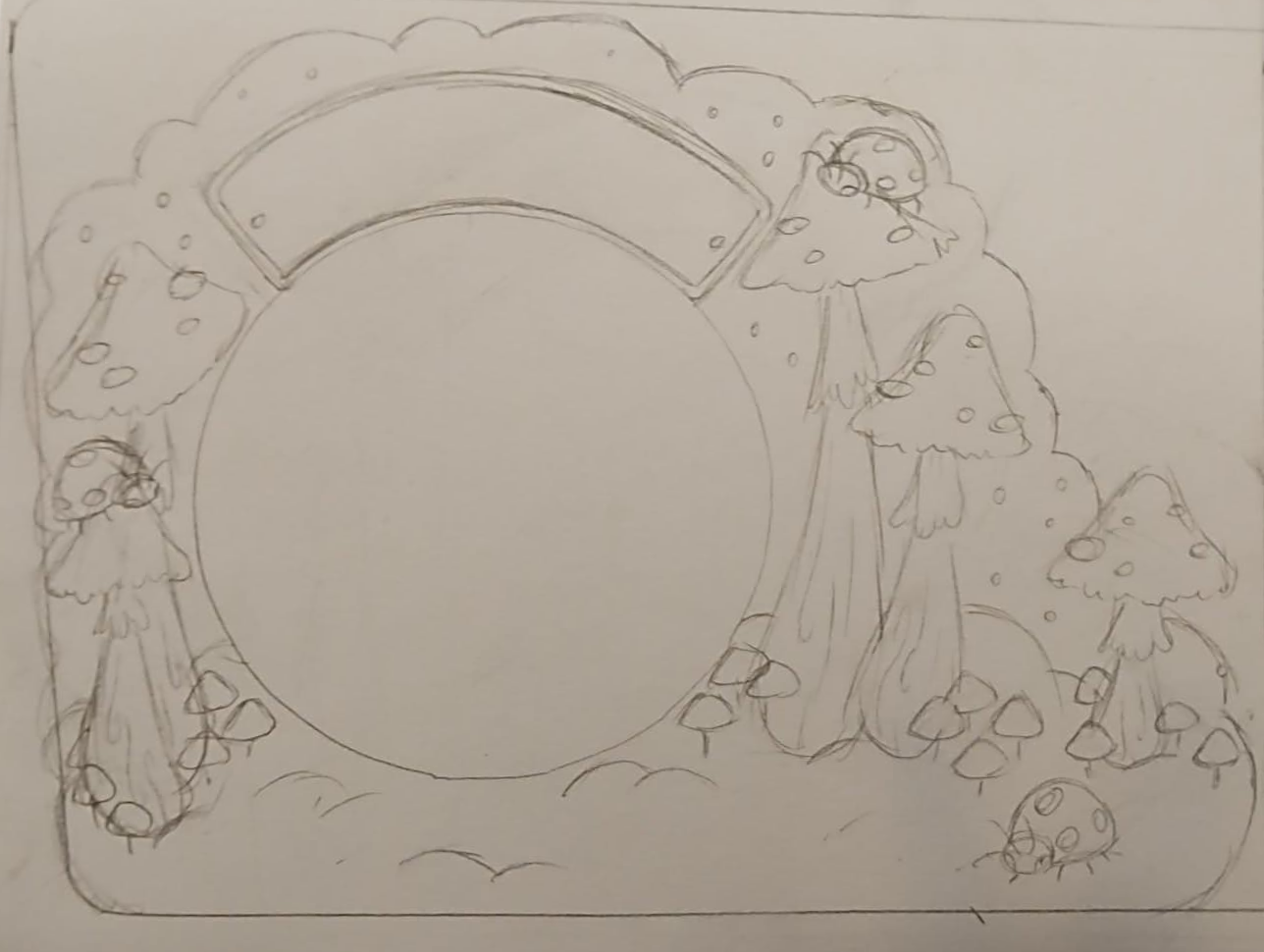
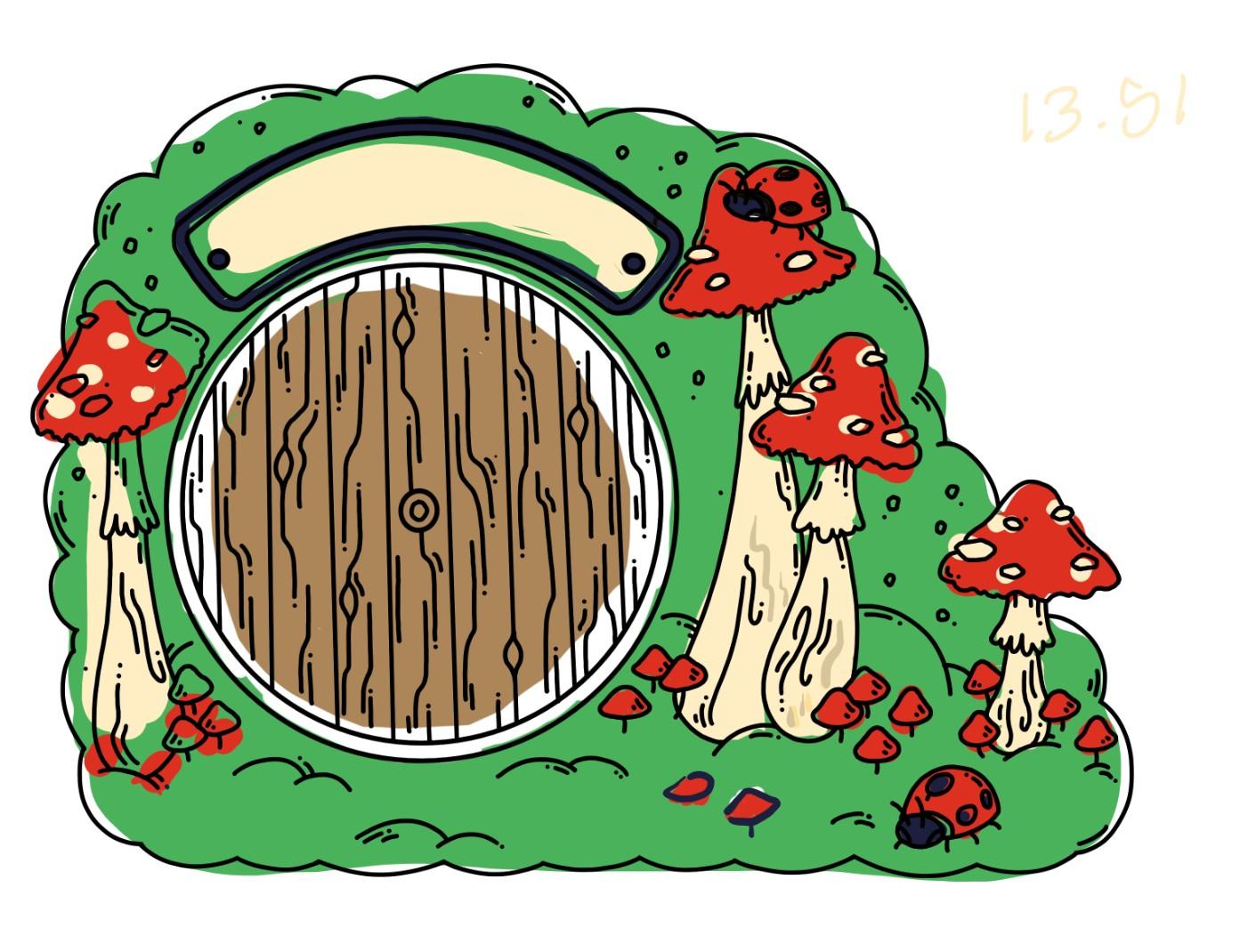
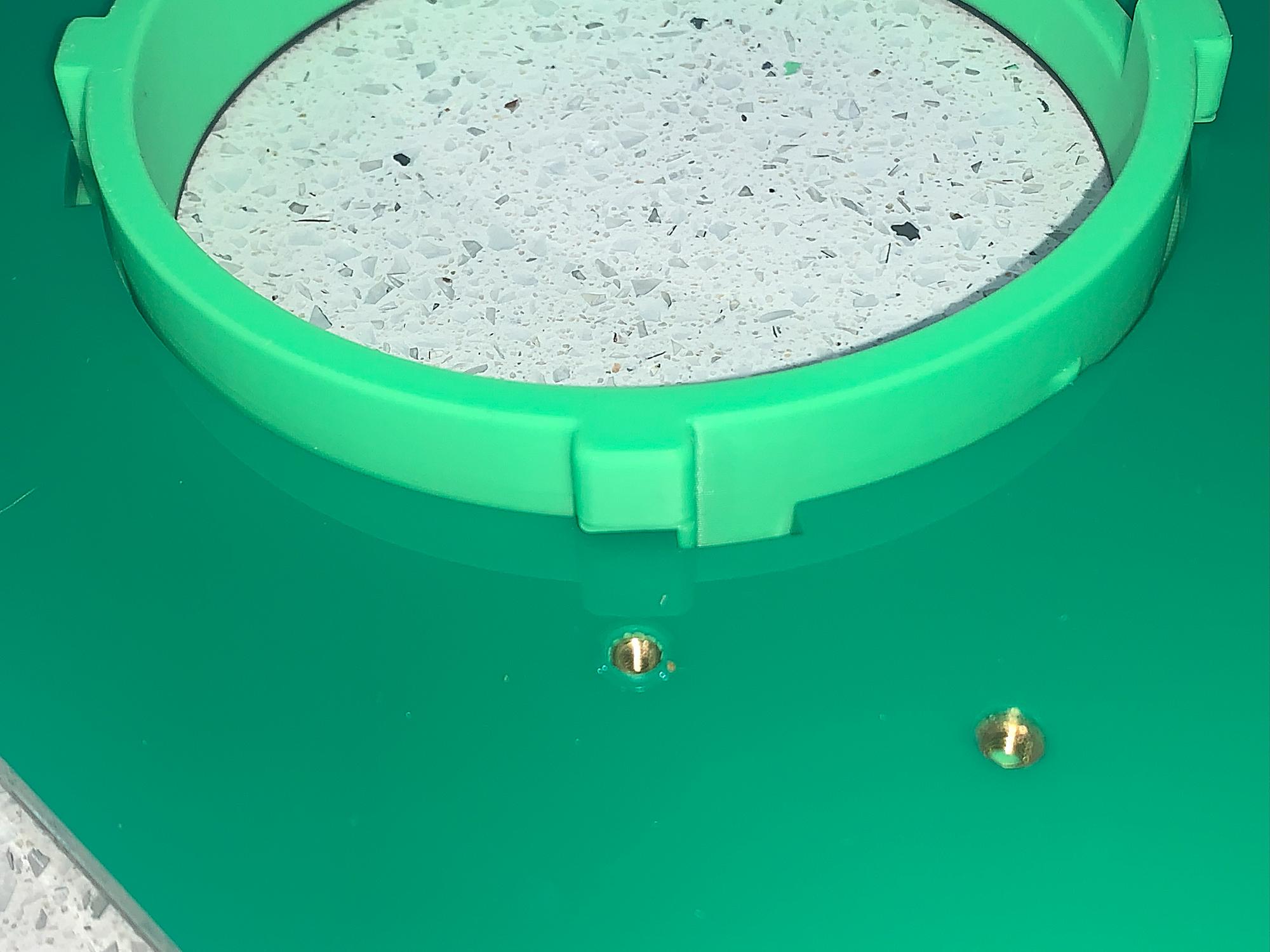
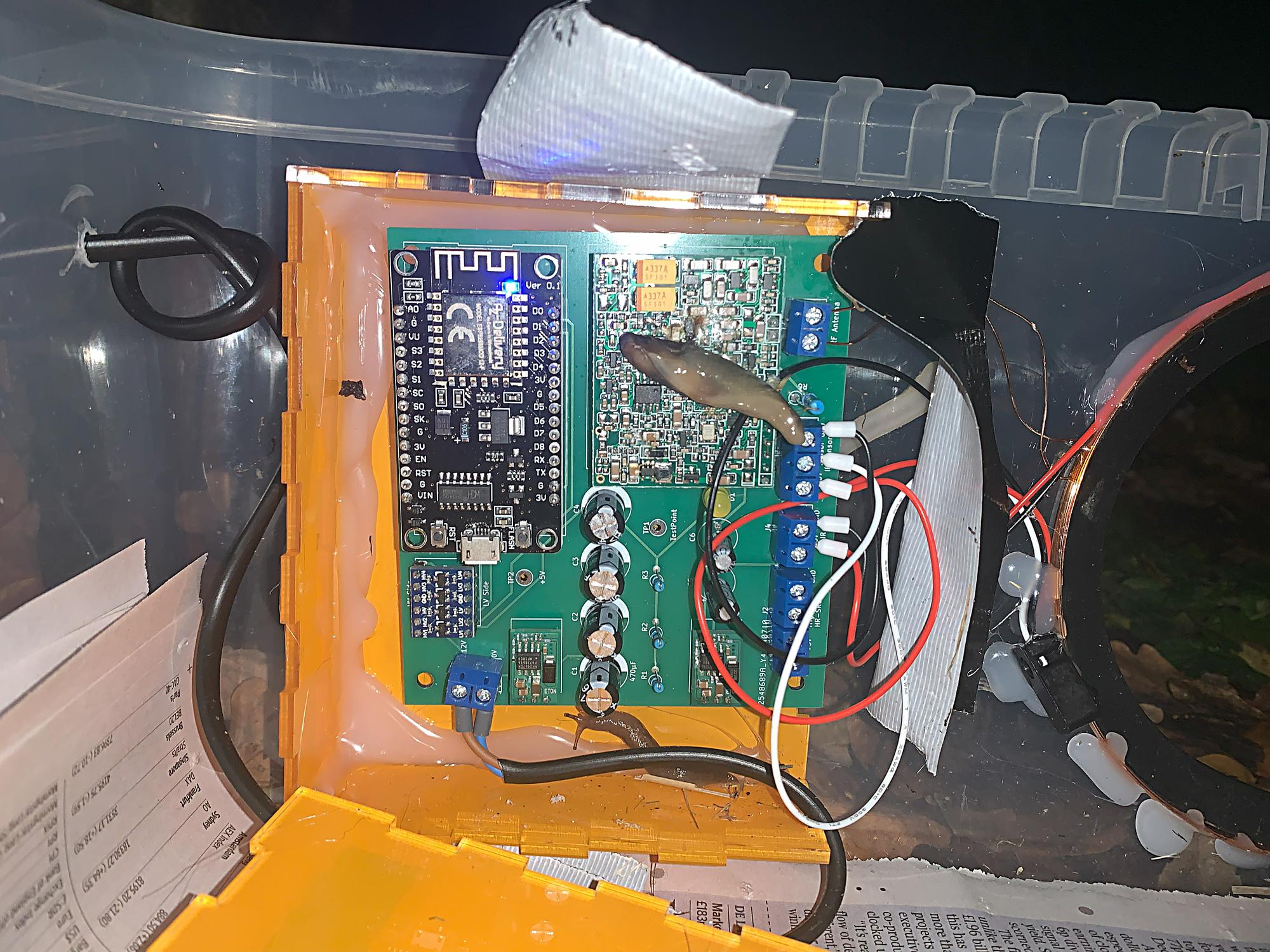
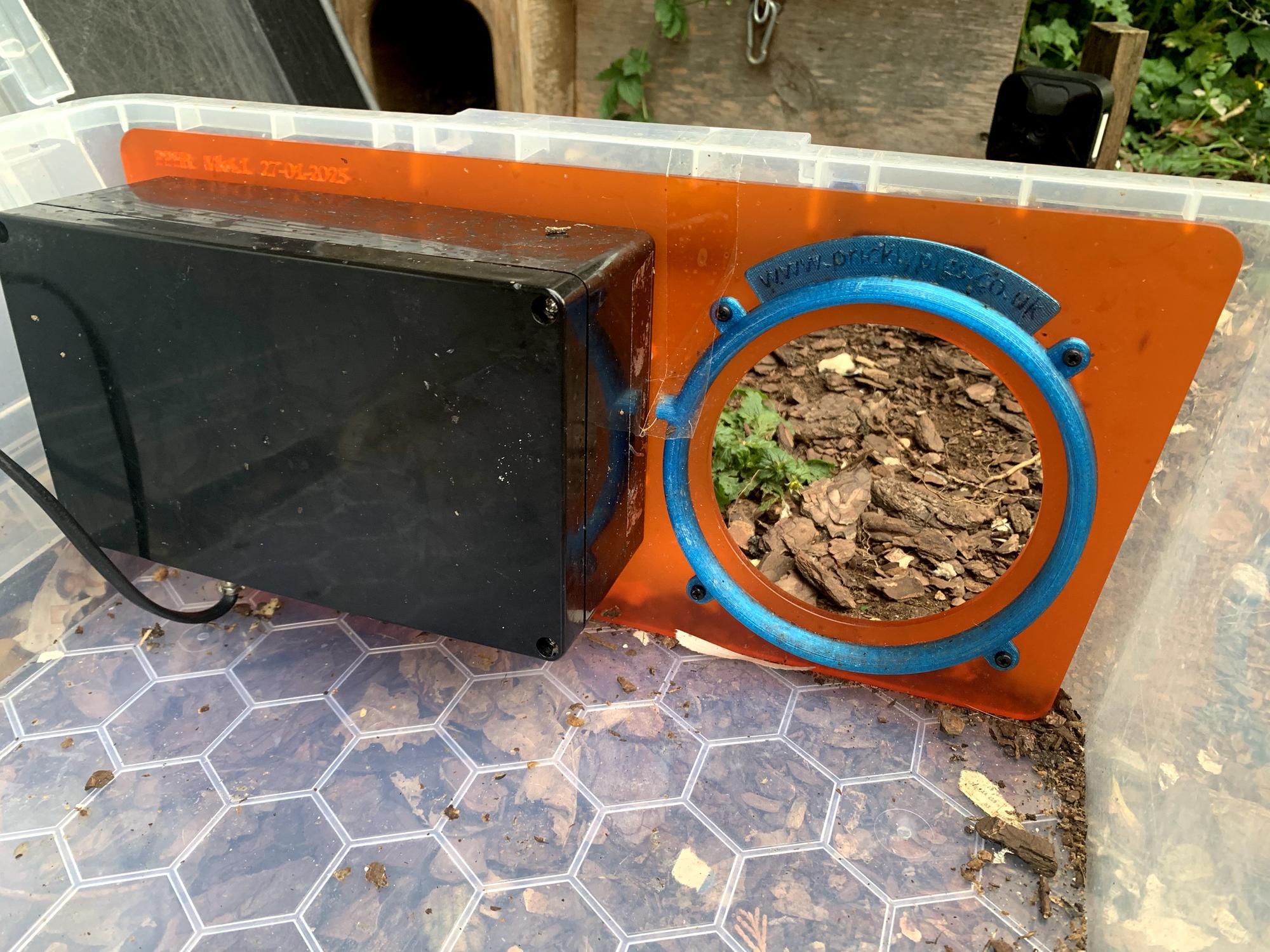
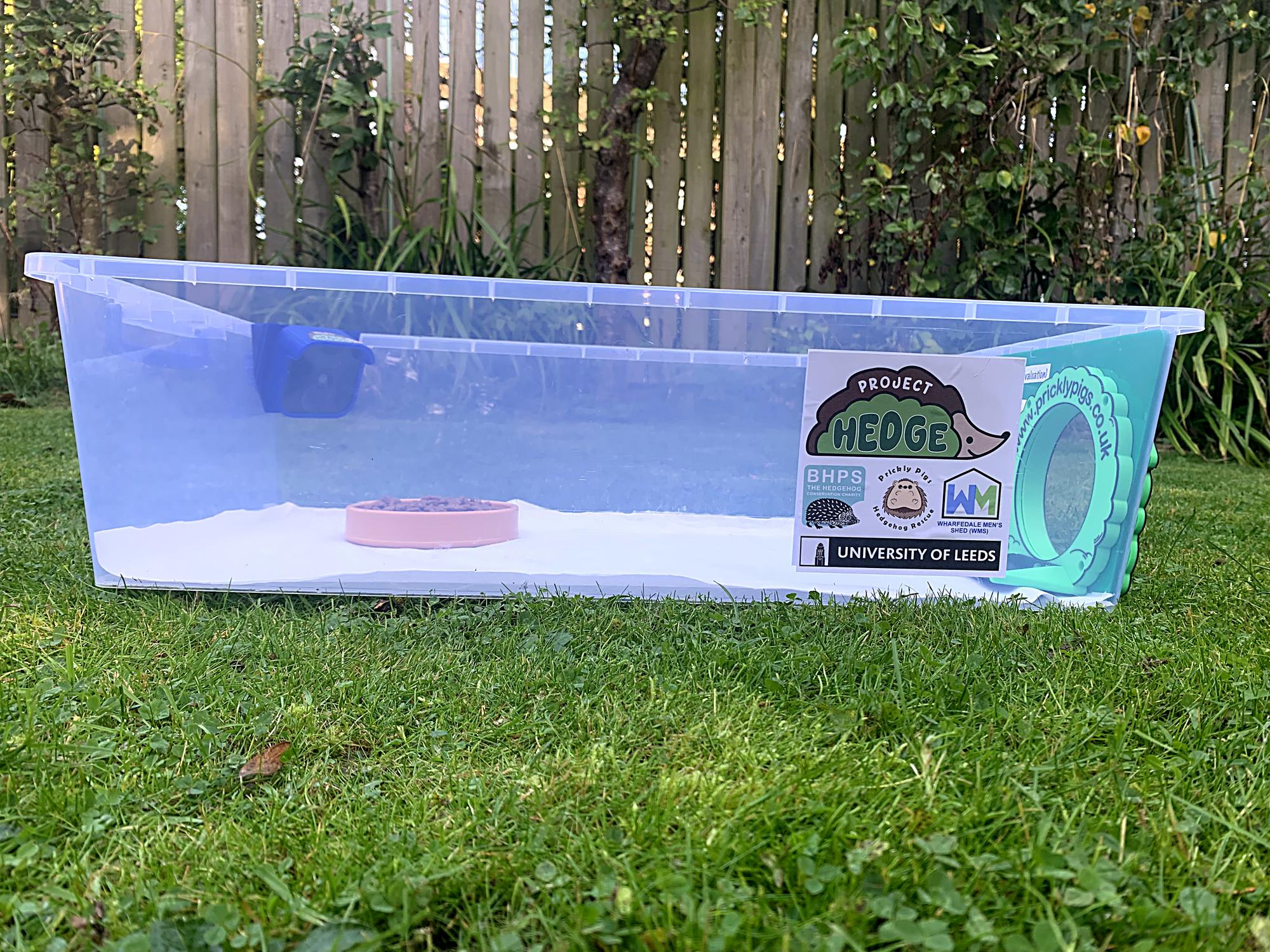
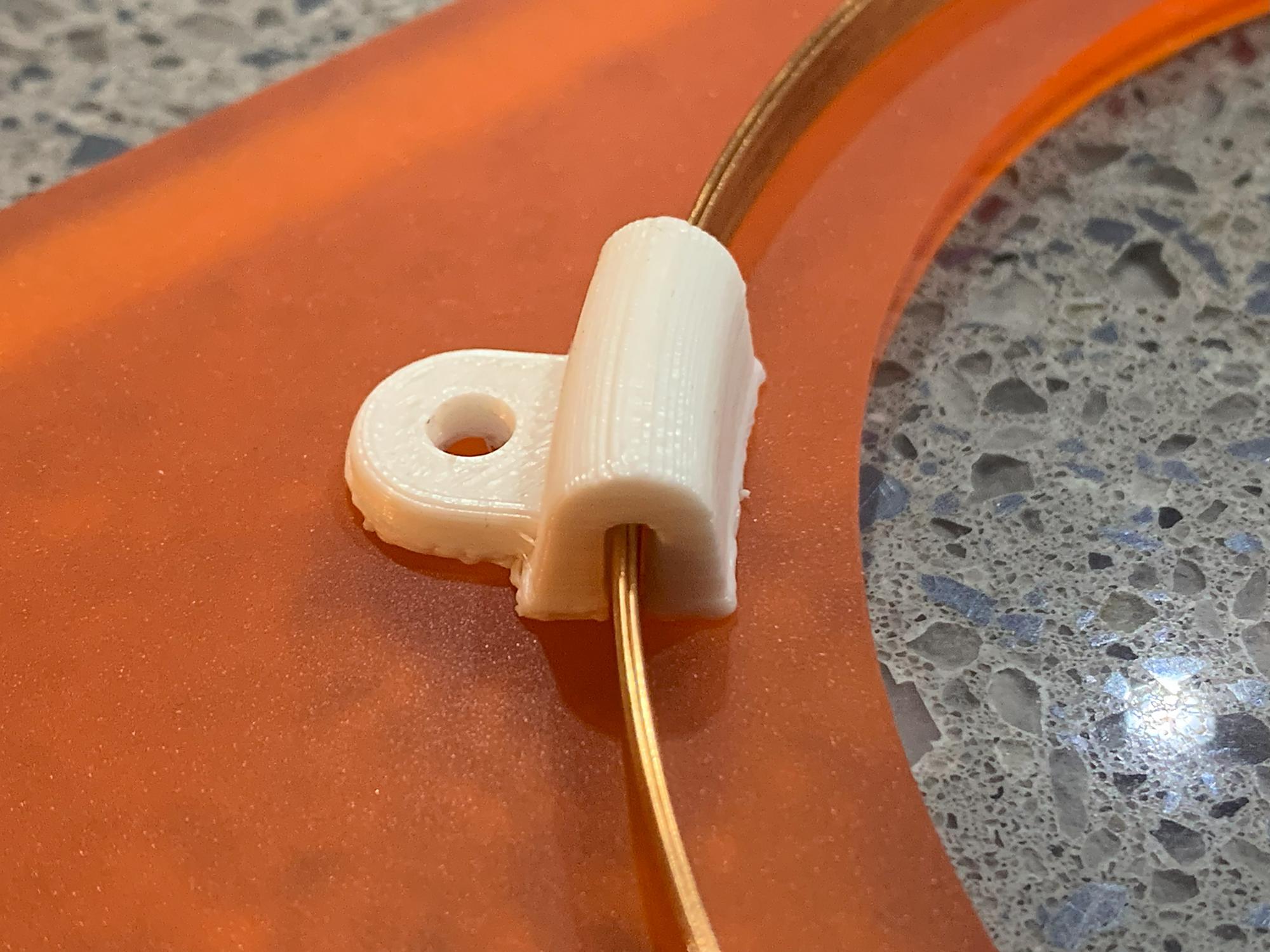
| Project Objectives and ApproachThe Passive Hedgehog Monitoring Project aims to develop affordable, reliable monitoring stations to record hedgehog movements in gardens and community spaces. These monitoring stations are able to record known individuals using microchips, and record behaviours using camera trapping. By using off-the-shelf components and supplementing them with in-house 3D-printed and laser-cut parts, we are able to keep costs low, ensure supply chain reliability, and make the system easy to maintain. The approach combines practical innovation with long-term sustainability, allowing the project to remain adaptable over time, and become self-funded. Here we present the key achievements and successes that we have reached so far. This includes the results from pilot studies using the technology that we have developed. Additionally, we discuss some of the challenges that have impacted the timeline of our plans, and what we aim to complete in the next three months. Key Achievements / SuccessesWe have successfully designed a microchip monitoring station with data recording suitable for scientific research, alongside secure and standardised camera trapping for observing hedgehog behaviour. Key details of these tracking stations are highlighted below. Core System ReliabilityWe have successfully demonstrated accurate and consistent microchip reading, proving the stations work reliably in real garden environments. Expanding Monitoring CapabilitiesWe designed a 3D-printed camera mount that securely holds low-cost Amazon Blink cameras. 24 units were purchased on discount, and standardised mounting ensures consistent video across sites. This allows us to capture visits from unchipped hedgehogs, broadening the data collected. An electronics shield was also integrated to provide a clear upgrade path for future features. Rapid Design ProgressOver 14 design versions were completed in six months, covering electronics, 3D-printed parts, and laser-cut housings. This rapid cycle of iteration has made the system more robust, easier to deploy, and more suitable for real-world conditions. Modularity and CustomisationStations were designed for easy maintenance: components can be swapped with only a few screws, and more expensive electronics are removable to allow easy reuse on future design iterations. A 3D-printed entrance plate improves aesthetics and allows for sponsorship or naming opportunities, supporting future fundraising. Data Handling and Power EfficiencyWe introduced on-board clock and memory storage so data can be logged locally and uploaded in batches, reducing power use. A reliable daily reporting system now provides consistent hedgehog sighting updates. System Reliability & Maintenance ImprovementsWe added a system heartbeat to detect failures sooner, alongside hourly battery voltage monitoring. To save power, heartbeats are reduced overnight. All data is stored locally and transmitted once connectivity is restored, minimising data loss. Results So FarWe have conducted pilot studies to illustrate the success and potential of the monitoring stations. The first year of testing has produced a substantial dataset that already reveals clear patterns in hedgehog activity. From October 2024 to October 2025, the monitoring station at Prickly Pigs recorded:
Seasonal PatternsActivity followed a clear seasonal trend. Hedgehog visits increased steadily through spring, peaked in late spring and early summer, and declined into the autumn — a pattern consistent with natural behaviour as hedgehogs prepare for hibernation (Figure 1). 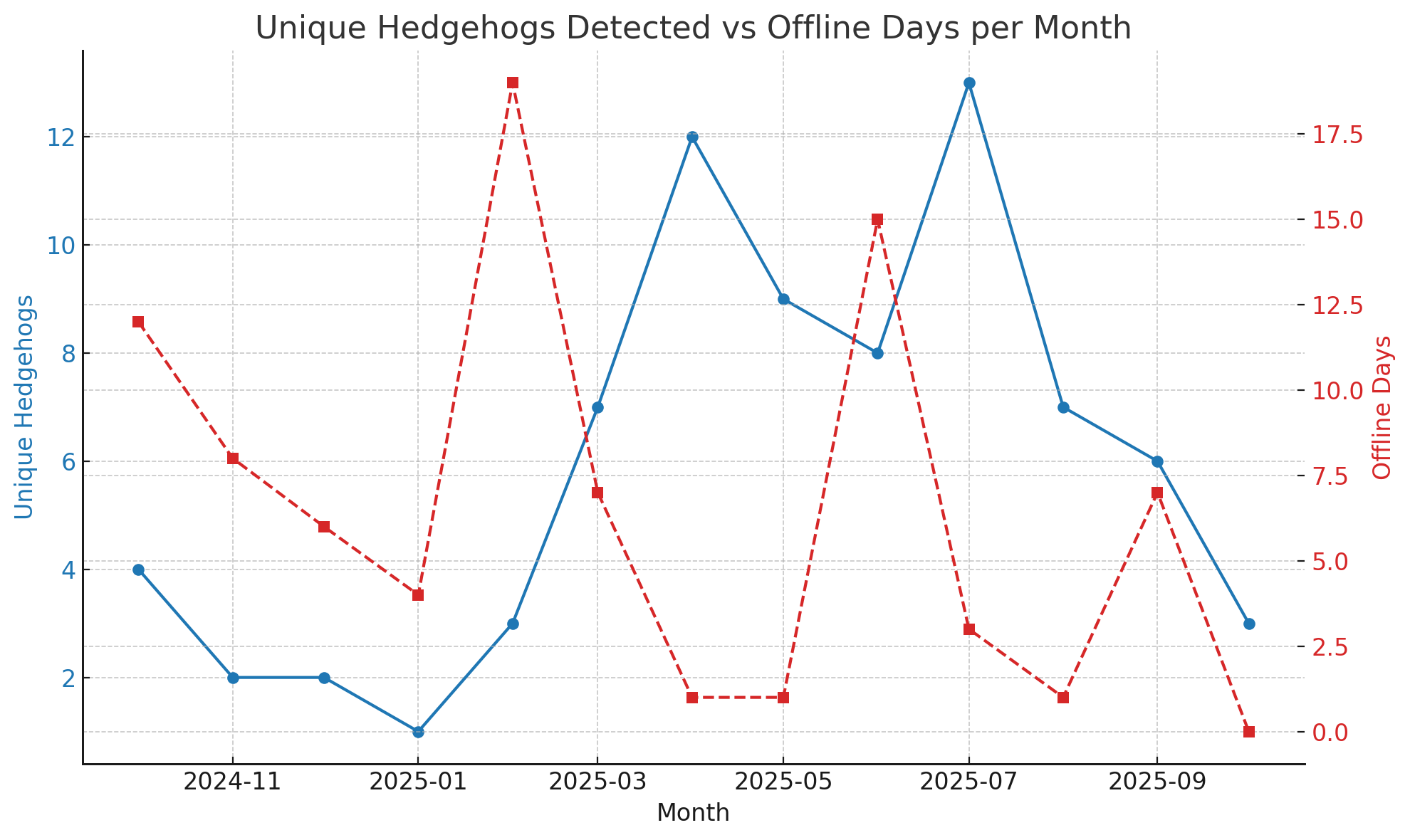
Individual PresenceThe number of unique hedgehogs detected each month shows a similar seasonal pattern, with the highest diversity of visitors in spring and summer. Overlaying this with offline days again helps interpret gaps in detections (Figure 2). 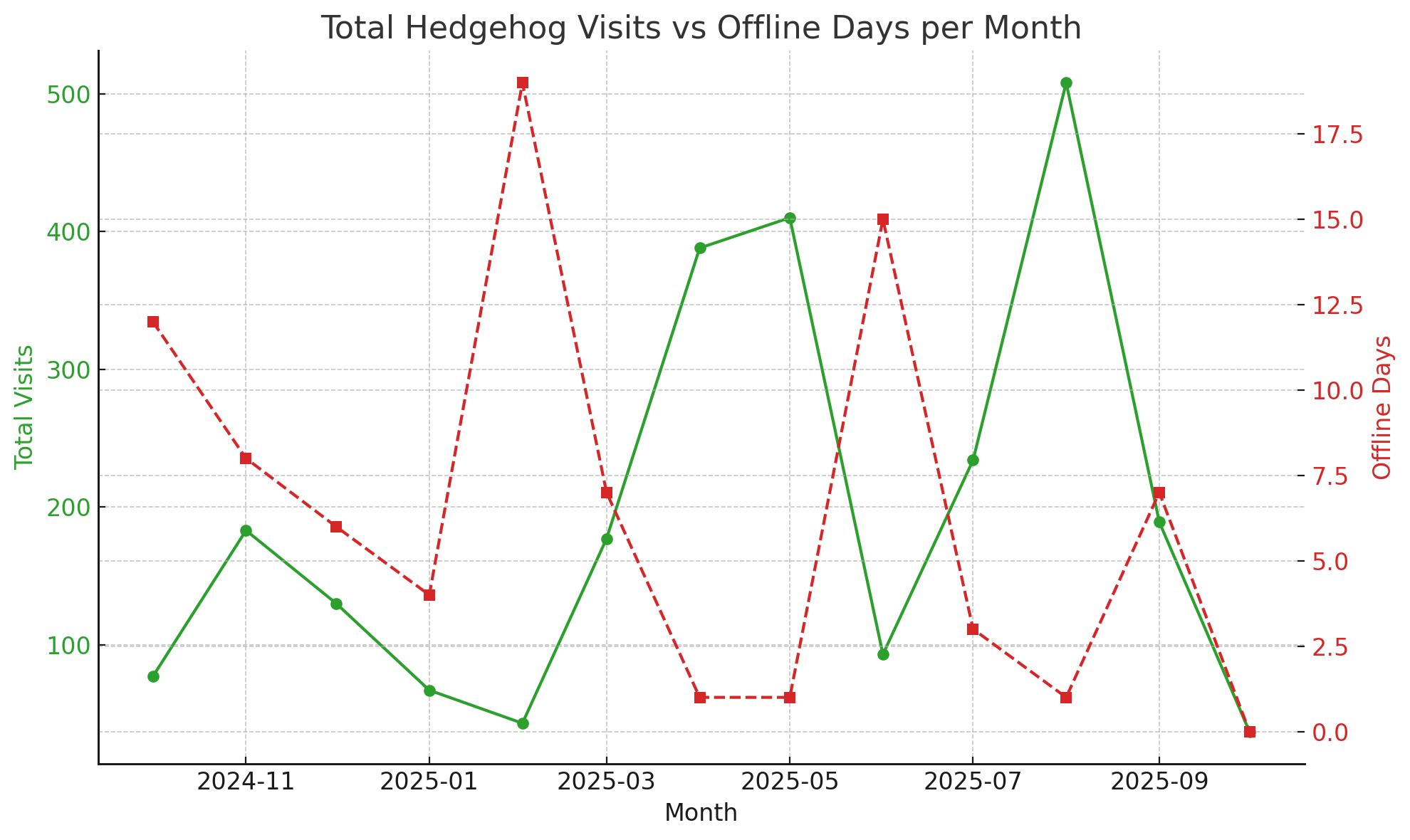
System ReliabilityDowntime was most noticeable in February 2025 (19 days) and June 2025 (15 days), often linked to testing or power supply challenges. Even so, the system demonstrated the ability to generate consistent nightly reports when online, proving the concept is robust and scalable. Survey Timing and Reporting TimelineAs we move into the winter months, we plan to slow down the pace of design iterations and place greater emphasis on longer deployments. The focus will be on testing the longevity and resilience of the stations. We expect to deploy five units over winter, and thanks to supporter gardens and release sites, hedgehog visits are likely to continue. The 12-month survey period remains unchanged, with interim updates provided throughout. The final report is now scheduled for release in the first or second quarter of 2027. Timeline adjustmentThe project is currently three months behind its original volume deployment, but ahead on technical capability. As we developed the design, the speed of iterations would require remaking dozens of deployed units. The delay reflects deliberate choice to ensure quality and robustness rather than setbacks and increased cost. Two main factors contributed:• Extensive prototyping – We initially expected to need only one or two prototypes before deployment, but instead completed 14 design iterations over six months. Each revision improved reliability and usability, though it meant fewer units were deployed simultaneously. • Strategic summer pause – During the summer holidays we made a conscious decision to slow deployment so that team members could rest and recharge allowing us to return with renewed energy and clearer focus. Challenges FacedBattery LifespanOur toughest challenge has been battery lifespan. Initially, the priority was to ensure reliable hedgehog microchip reading, with power efficiency a secondary concern. Once that reliability was proven, focus shifted to power optimisation. We redesigned the electronics around a more efficient micro-controller and trialled infrared sensors. However, early designs still drew too much power and required heavy car batteries. As a temporary solution, we introduced a pressure plate activated by hedgehog weight, which uses no standby power. This allowed deployments to continue using much smaller batteries. while we work toward a smarter, more robust, low-energy trigger system for the future. Technical Reliability in the FieldAnother challenge is protecting sensitive electronics from moisture (and slugs). Even small amounts of damp can shorten or destroy components. We are using IP-rated housings and testing moisture-absorbing sachets to help keep units dry. The long-term effects of exposure across seasons remain an important unknown. Balancing Prototyping with DeploymentRapid iteration has been key to improving the system, but each design cycle reduces the number of units available for immediate deployment. Although this has meant a slower pace in getting multiple units into the field, we do not see this as affecting the overall monitoring duration. The project’s 12-month survey period remains intact, and the design refinements carried out now will reduce issues later and improve the quality of the long-term data collected. Three-Month Look AheadIn the next quarter, the focus will be on stabilising deployments and addressing key technical challenges. Goals include: finalising a low-power trigger system; testing durability through winter; validating detections against camera footage with the help of citizen science volunteers, trialling solar recharging. Additionally, as part of our collaboration with the University of Leeds, we have developed a network of hedgehog rescues and researchers to establish UK-wide monitoring of micro-chipped hedgehogs. In the next few months we will be planning the development of GIS mapping interface for hedgehog sightings, planning research into the social psychology of hedgehog conservation, and piloting the use of stations as hedgehog highway monitors to identify barriers in the landscape. Wish List and Long-Term GoalsLooking further ahead, we aim to create fully solar-powered stations, build a nationwide monitoring network, expand volunteer training and assembly, map barrier crossings in more detail, and establish a public engagement platform to display findings. Additional goals include introducing sponsorship schemes to support funding and sharing research data through formal partnerships. Finance and SustainabilityThe project is funded primarily by the British Hedgehog Preservation Society (BHPS), with Prickly Pigs contributing both money and volunteer time. We remain within budget and have achieved savings through bulk purchasing, enabling us to procure higher quantities of spare parts and improve resilience. We continue to seek contributions and donations to extend funding further. Our financial model combines supporter sponsorships and grants or partnerships, ensuring long-term sustainability. |
Strategic Vision
A Research Data Collection Platform
Ultimately, this project aims to evolve into a flexible research data collection platform. While hedgehogs are the current focus, the same technology can be applied to other small mammals. The platform will allow researchers and conservationists to focus on science, while we provide the hardware, data handling, and secure online interfaces. By offering low-cost access to this technology, the platform will sustain itself financially while supporting nationwide ecological research. We welcome introductions for planned expanding of the scheme.
If you would like more information or would like to get involved feel free to reach out to us.

You can find out more about Prickly Pigs Hedgehog Rescue and Project HEDGE by following our social media.
www.facebook.com/pricklypigshedgehogrescue

27 October 2025 2:59pm
This project has so much potential for benefitting hedgehog conservation!






30 October 2025 4:56pm
Hey Andrew! I just sent you an email about potentially coming on our next Variety Hour to talk about this project! Hope to hear from you soon :)
1 November 2025 10:48pm
In reply to alexrood
30 October 2025 4:56pm
Hey Andrew! I just sent you an email about potentially coming on our next Variety Hour to talk about this project! Hope to hear from you soon :)
Received and replied :)
1 November 2025 10:48pm
30 October 2025 4:56pm
Hey Andrew! I just sent you an email about potentially coming on our next Variety Hour to talk about this project! Hope to hear from you soon :)
Received and replied :)
Sharon Kessler