

Pema Khandu
- @Pema
- | He/Him/His

Our Journey Through the Grant Period
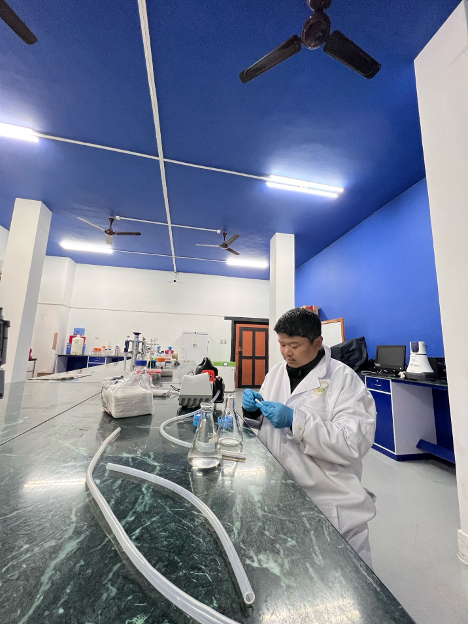
Before heading into the field, we assembled and tested a portable eDNA sampling system and laboratory workflow. This preparation was essential because much of our work would take place in remote river valleys where access to conventional laboratory facilities is limited.
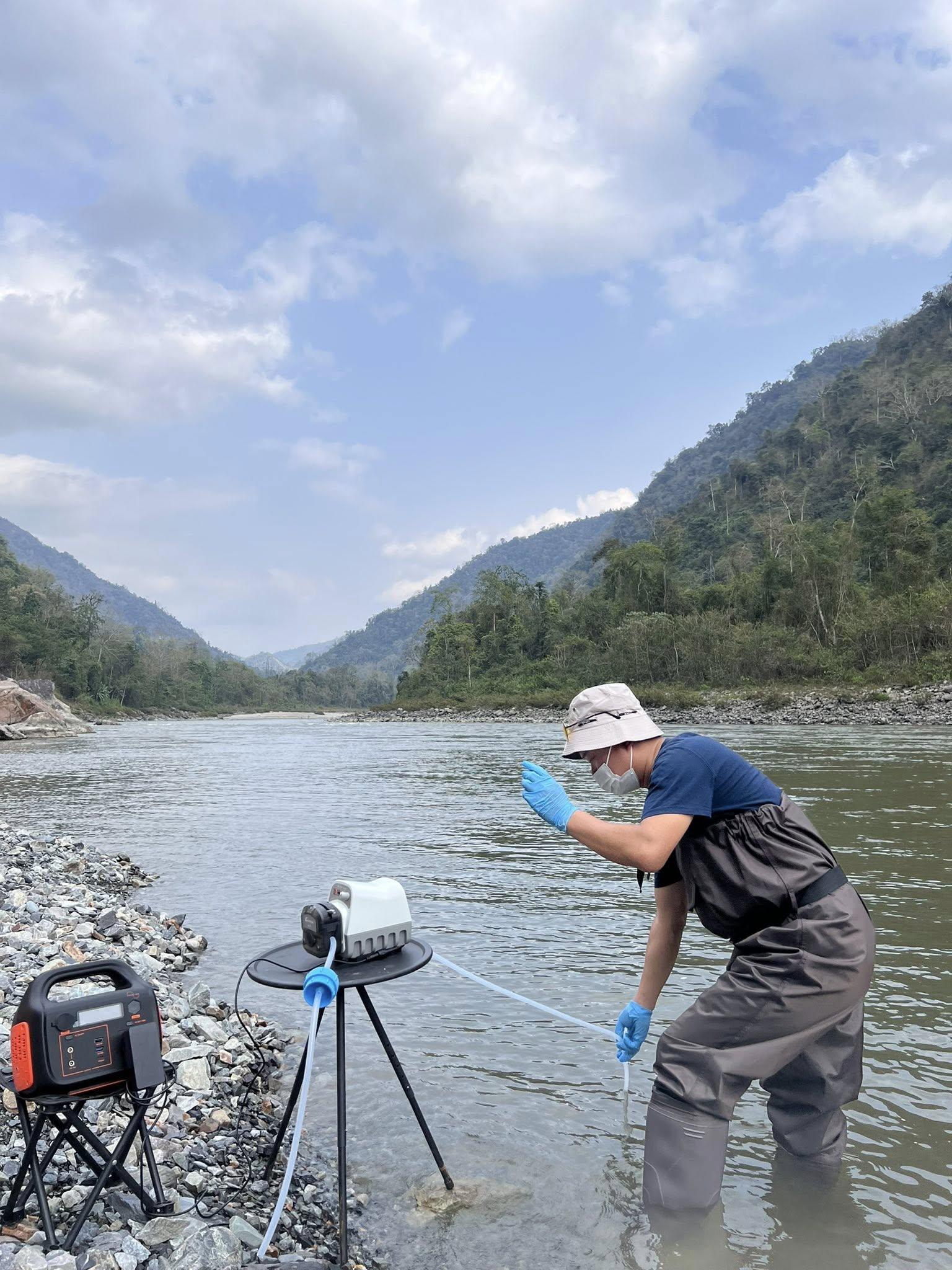
Over the course of the project, we surveyed multiple river systems across Bhutan, including known and potential White-bellied Heron habitats. Water and soil samples were collected to capture environmental DNA, while additional habitat information, including water quality parameters, was also recorded. These data will contribute to a better understanding of habitat conditions and biodiversity associated with White-bellied Heron river systems.
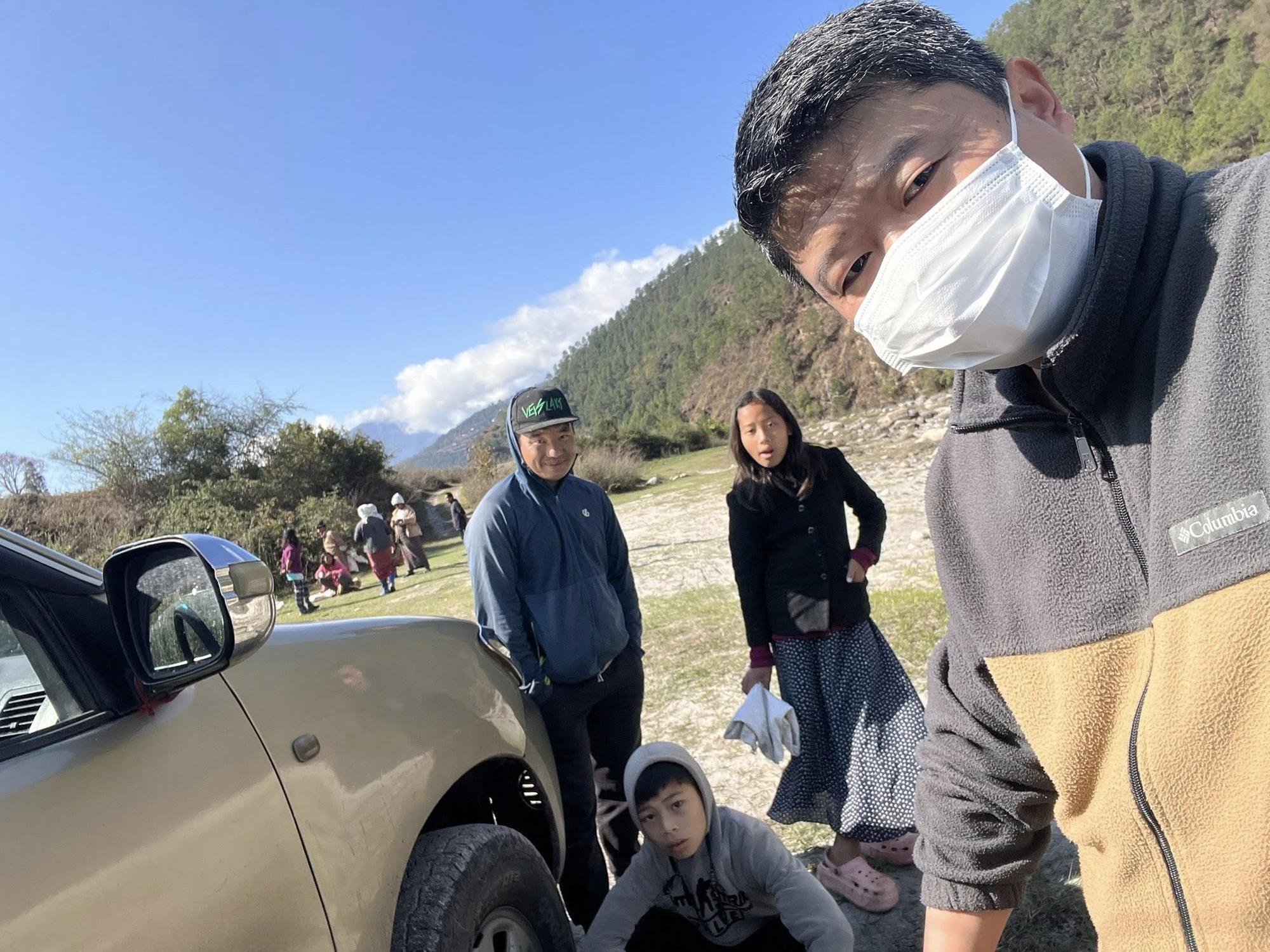
Fieldwork often involved long travel days, difficult terrain, and working in isolated locations. Despite these challenges, the experience provided an invaluable opportunity to explore some of Bhutan's most important river ecosystems and engage directly with local communities living alongside these habitats.
One particularly memorable moment was observing an active White-bellied Heron nest in Tsirang. Seeing an adult bird incubating eggs served as a powerful reminder of why protecting these habitats remains so important for the species' survival and recovery from the brink of extinction.
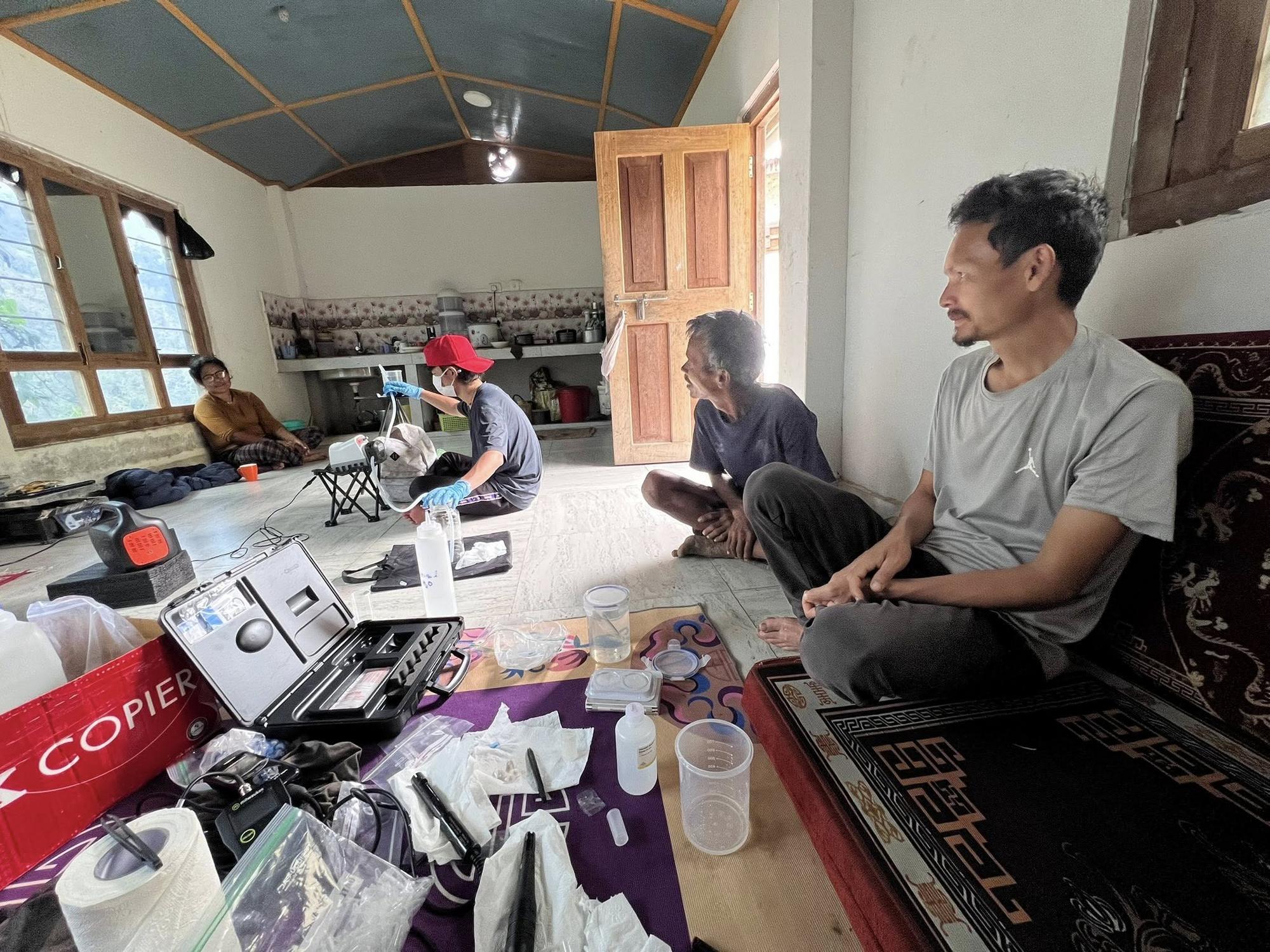
Community engagement also became an important component of the project. Conversations with local residents provided valuable perspectives on changes occurring within river ecosystems and offered insights into historical White-bellied Heron presence in several areas. These interactions highlighted the importance of combining scientific research with local knowledge to better understand conservation challenges and opportunities.
Achievements and Outcomes
Several important outcomes emerged from this project:
Environmental DNA Surveys
We successfully completed environmental DNA sampling across multiple White-bellied Heron river systems, generating a valuable baseline dataset for future biodiversity monitoring efforts. The project established field and laboratory protocols that can be adapted for broader biodiversity assessments and future conservation applications.
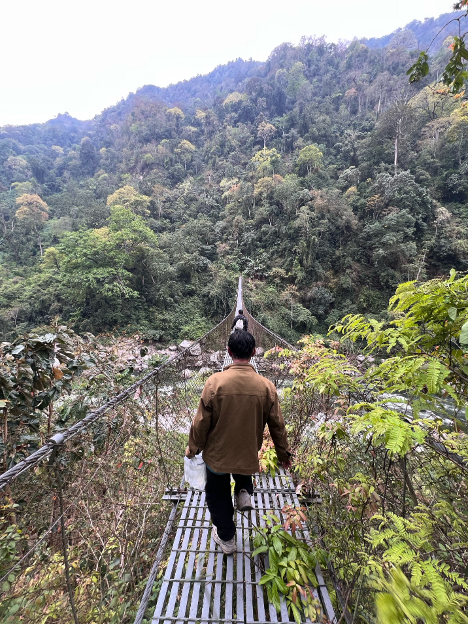
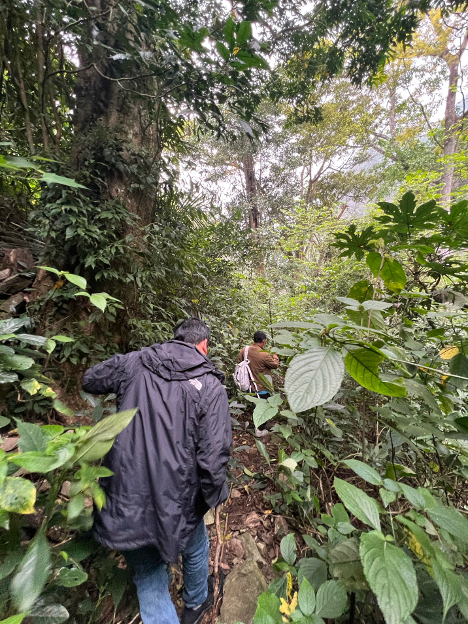
Photo 05: A snapshot of our routine eDNA fieldwork, exploring the current and potential habitats of the White-bellied Heron
Portable Sequencing Demonstrated
The project successfully demonstrated the use of portable molecular technologies (Bento Lab and ONT's Minion sequencer) for conservation applications in Bhutan, from field sampling through DNA sequencing and bioinformatics analysis. This highlights the potential of portable genomics to support conservation research in remote and resource-limited settings.
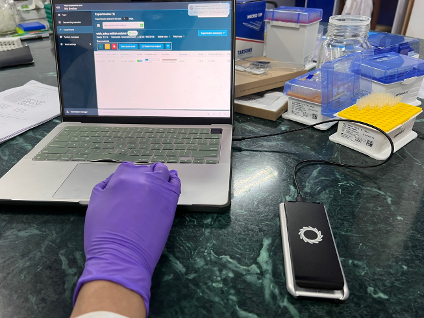
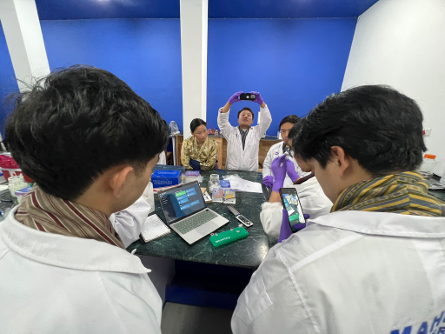
Photo 06: Library preparation and real time genetic sequencing using Minion (Oxford Nanopore Technologies)
Capacity Building
Approximately 20 students and faculty members from forestry, biotechnology, and animal sciences received practical training in molecular ecology and biodiversity monitoring techniques. Participants gained hands-on experience with modern genetic tools and were exposed to the full workflow from sample collection to DNA-based biodiversity assessment.
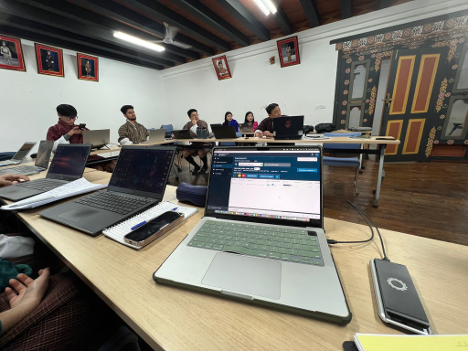
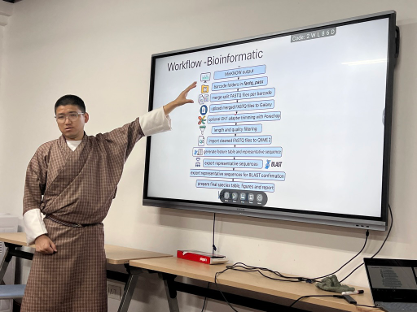
Photo 07: From sample to insights training and workshop session
Bird Sex Identification
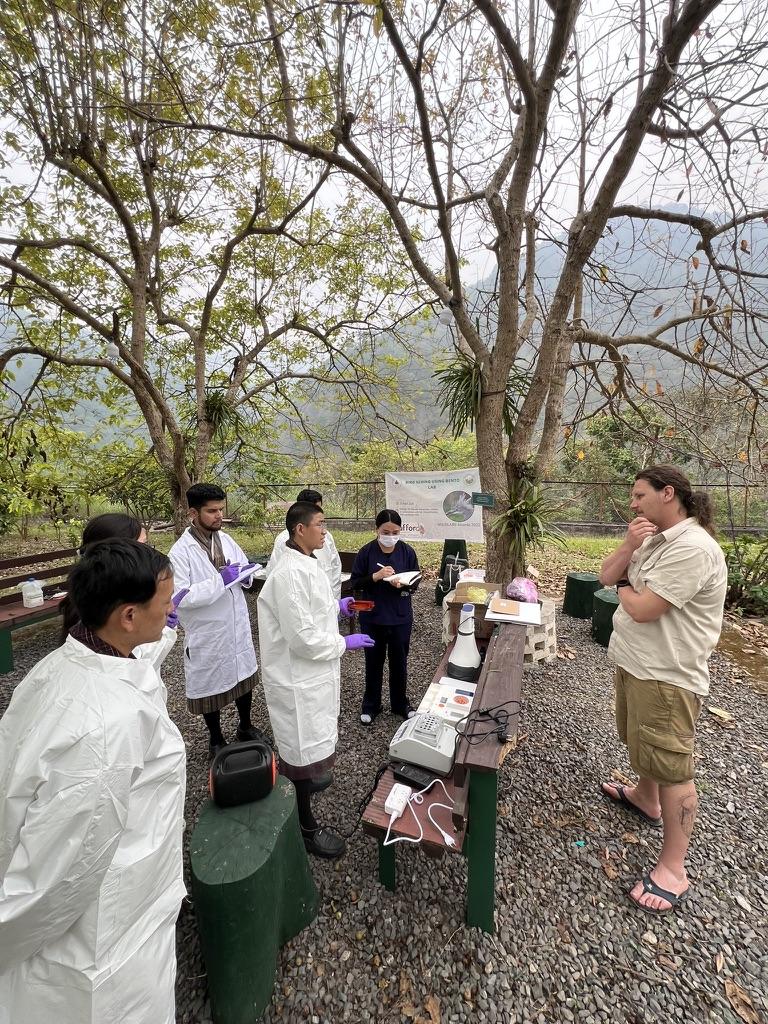
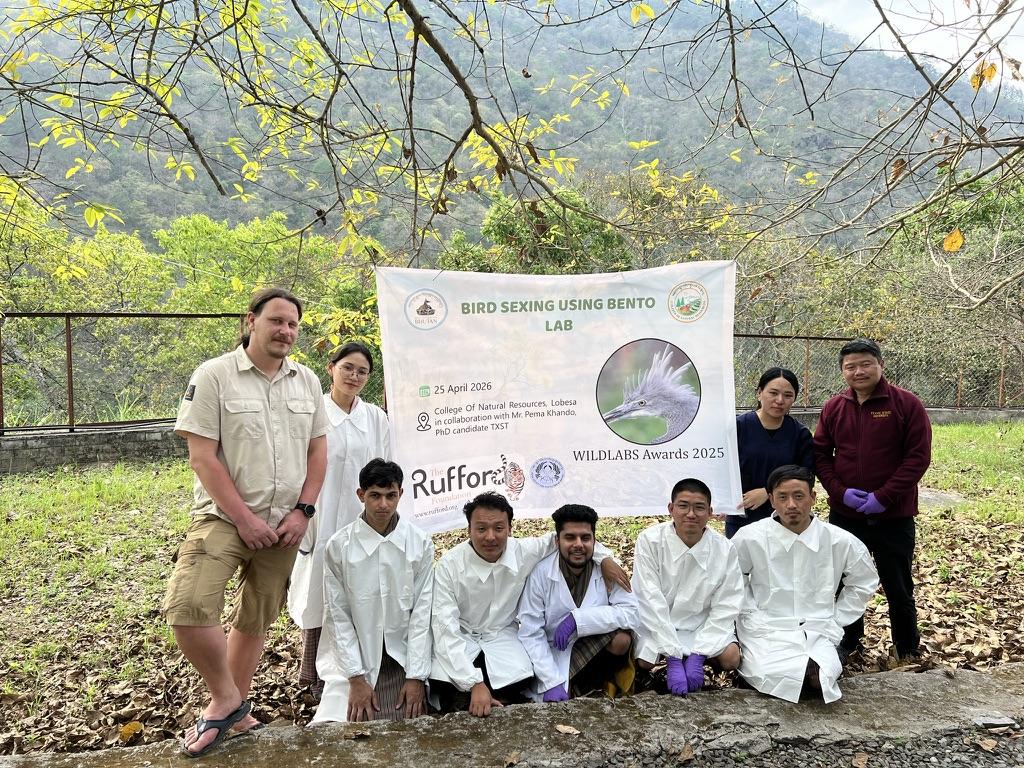
We also demonstrated genetic sex identification using feather-derived DNA. This application is particularly relevant for White-bellied Herons because males and females are visually indistinguishable, and genetic techniques provide a reliable method for sex determination. Such information can be valuable for conservation management and captive breeding efforts.
Conservation Awareness and Outreach
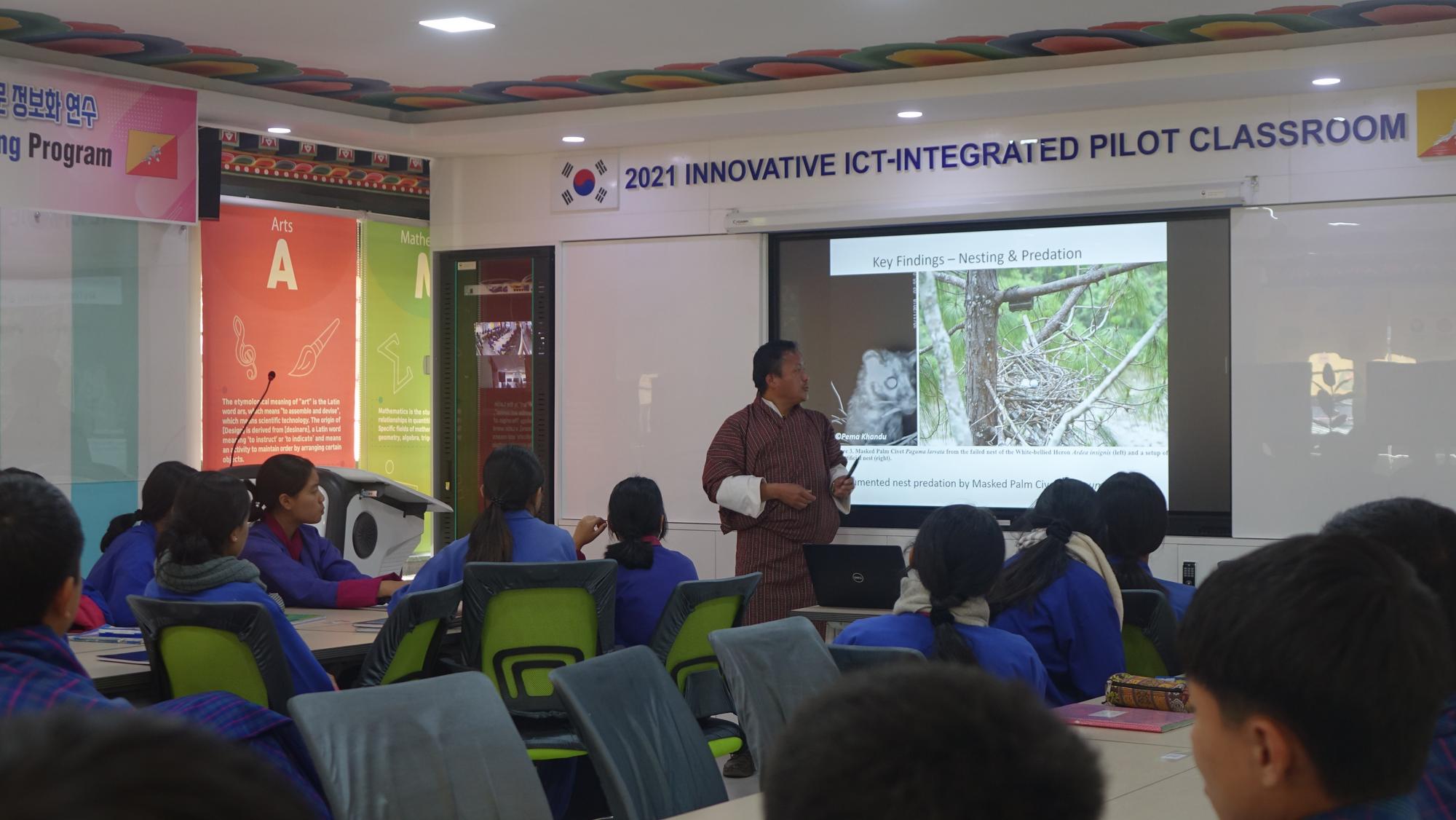
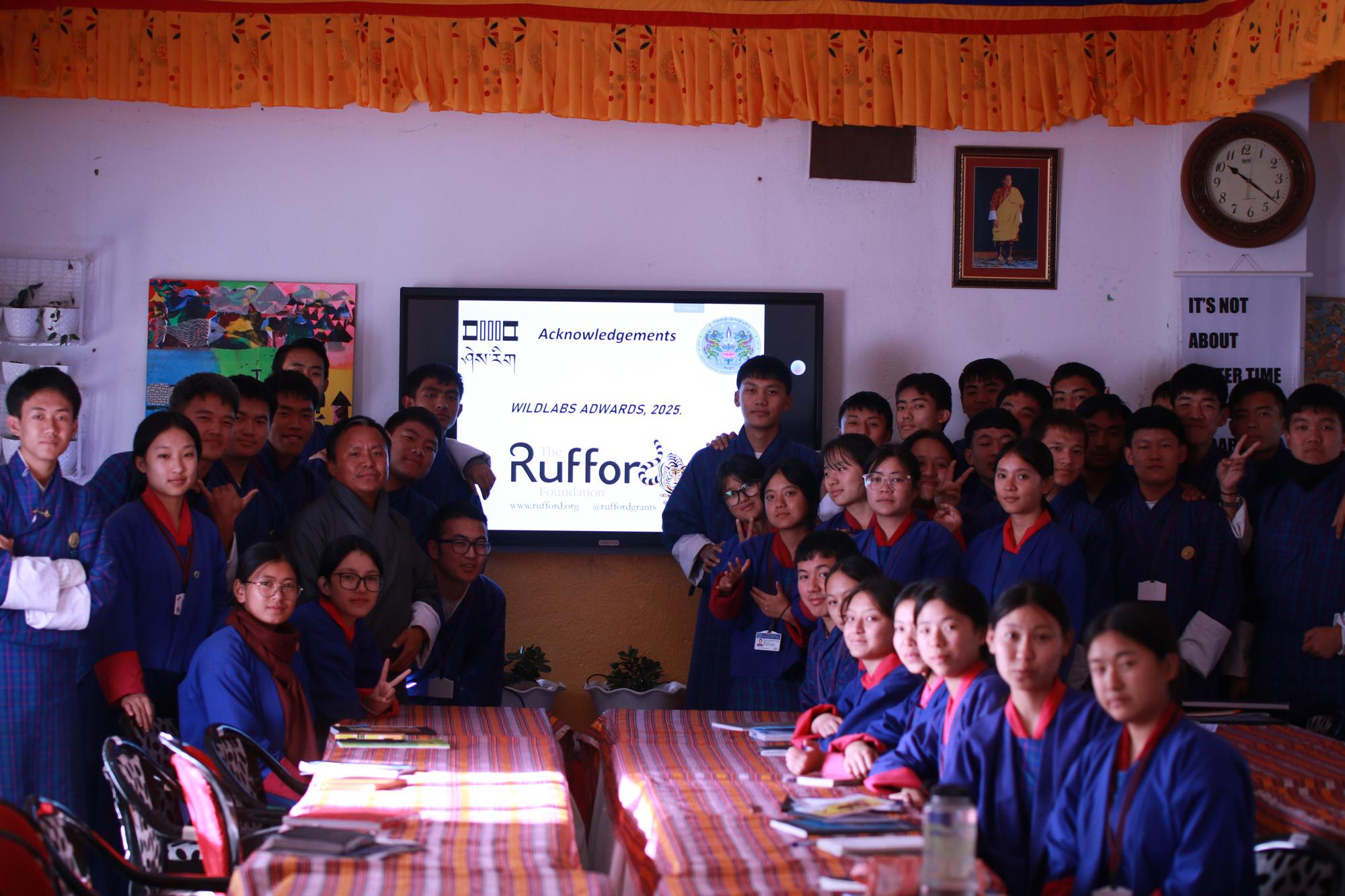
As part of the broader conservation effort, a conservation awareness programme was conducted for science students at Dechencholing Higher Secondary School in Thimphu. The session introduced students to the ecology and conservation challenges facing the Critically Endangered White-bellied Heron and highlighted our current and future efforts to support biodiversity and nature conservation. We also hope the programme inspired the younger generation to become active stewards of wildlife and the natural environment.
Collaboration
This work would not have been possible without the support of strong collaborations and partnerships.
We are deeply grateful to colleagues and students at the CNR Bio Fab Lab, the College of Natural Resources, Texas State University, and Royal Society for the Protection of Nature who contributed their expertise, enthusiasm, and support throughout the project.
Equally important were the local communities who shared their knowledge, welcomed us into their villages, and helped us better understand the landscapes that support White-bellied Herons and other wildlife. Their observations and experiences provided valuable context for our fieldwork and reinforced the importance of community engagement in conservation.
Acknowledgements
This project was funded by Arm through the WILDLABS Awards and the Boring Fund. Additional support for complementary White-bellied Heron conservation activities was provided through the Rufford Booster Grant. We thank the College of Natural Resources, CNR Bio Fab Lab, Texas State University, conservation practitioners, students, local communities, and all collaborators who contributed to this work.
For a species as rare as the White-bellied Heron, effective conservation depends on combining science, technology, partnerships, and community engagement. The WILDLABS Awards provided an opportunity to bring these elements together and demonstrate how innovative tools can support conservation in challenging and remote environments. For that, we remain sincerely and forever grateful.
Add the first post in this thread.