
WILDLABS



Are you an emerging conservationist looking to leverage new technologies in your conservation practice and to become part of an empowering network of female conservation leaders? Apply now for our Women in Conservation Technology Programme!
We are seeking an expanded cohort of early-career Tanzanian women to participate in this six-month programme, which includes two in-person workshops and virtual training. These sessions will build practical, hands-on skills in conservation technologies to address pressing wildlife conservation challenges, while also strengthening the collection of biodiversity data to support evidence-based decision making.
To apply, complete the application form. Applications close on 13 May 2026.
About the Women in Conservation Technology Programme
Technology holds immense potential to help conservationists better understand and mitigate critical environmental threats. Tools such as camera traps, acoustic sensors, networked devices, and eDNA are transforming how we monitor biodiversity and respond to conservation challenges. However, access to the knowledge required to use these tools effectively remains unequal.
In East Africa, women have historically been underrepresented in the conservation sector. We believe that empowering women to become leaders in conservation technology fosters innovation, diverse perspectives, and stronger conservation outcomes.
This updated programme builds on previous success while introducing new elements to ensure participants are equipped with cutting-edge knowledge.
Programme Objectives
The programme has three primary objectives:
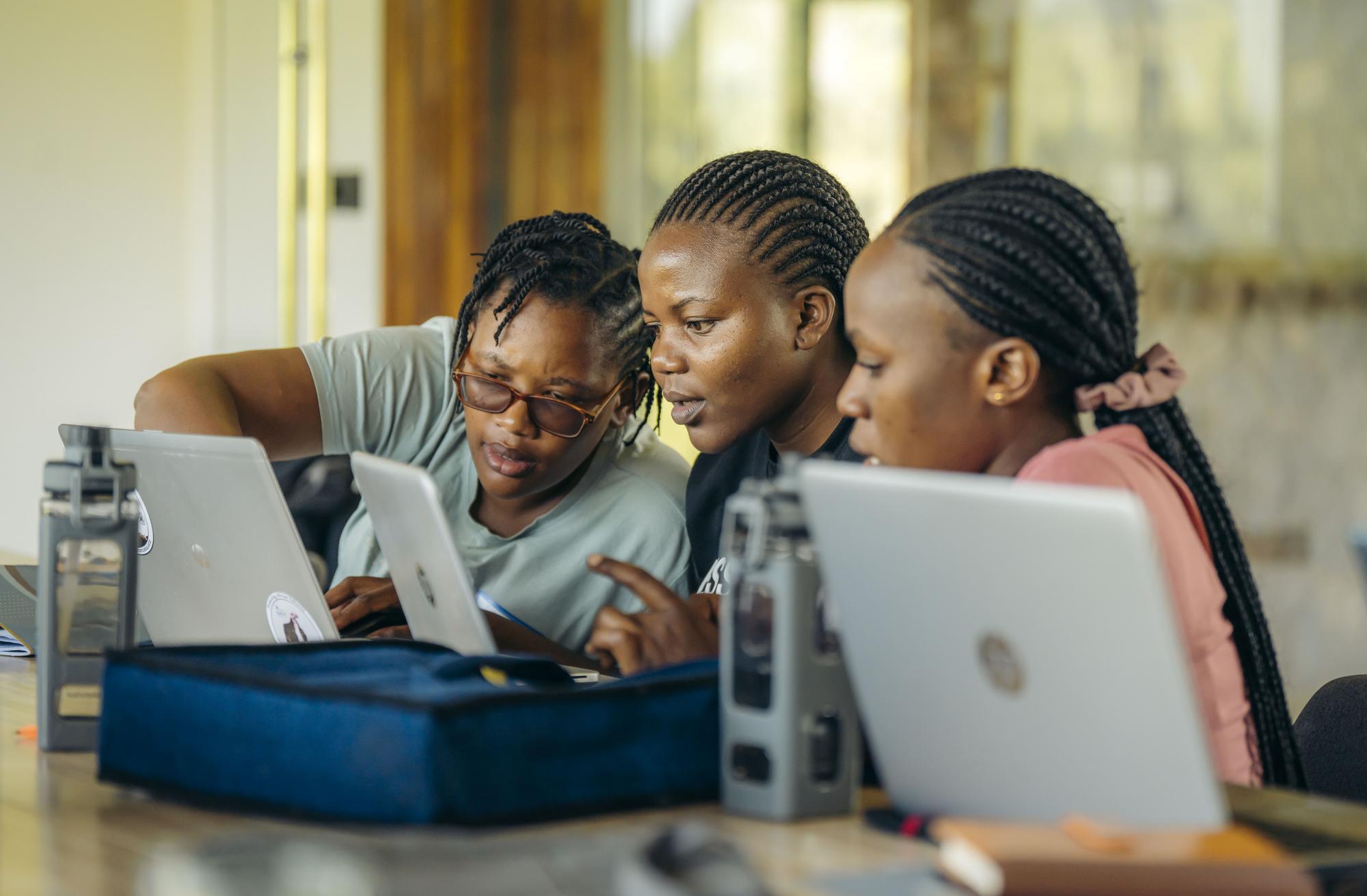
- To familiarize participants with a range of hardware, software, and data management tools (including new and emerging technologies) so they can apply these effectively in their work.
- To provide leadership training, professional development, and networking opportunities that foster a supportive and inspiring community of women in conservation technology across East Africa.
- To strengthen participants’ ability to generate and apply high-quality biodiversity data to inform evidence-based conservation decision-making, aligned with the Global Biodiversity Framework (GBF) and national and regional biodiversity policy priorities.
Programme Details
Participants will attend two in-person workshops held at the RISE research facility in the Serengeti, the same location used in previous years. We are thrilled to return to this setting and continue building on its strong foundation for hands-on learning and collaboration.
Workshop 1 (2026)
The first workshop, taking place from July 24–30, 2026, will provide a hands-on introduction to conservation technology tools used for wildlife monitoring, protection, and human–wildlife conflict mitigation, alongside a strong foundation in biodiversity data generation, research design, and the use of biodiversity data platforms.
The workshop will include:
- Practical training with field technologies such as camera traps, bioacoustic devices, and eDNA
- Introduction to biodiversity data generation approaches aligned with national and regional policy priorities and GBF targets
- Training on biodiversity research design, including how to develop robust, policy-relevant research projects
- Hands-on experience with biodiversity data platforms and tools for data management, sharing, and analysis
- Leadership and professional development sessions
- Networking opportunities with established female conservation leaders
Interim Virtual Programme
Between workshops, participants will engage in a six month structured virtual training and mentorship programme. These sessions will reinforce and deepen the skills developed during Workshop 1, supporting participants as they apply new technologies, research design approaches, and biodiversity data tools in their own work contexts. The programme will also continue to build technical expertise, strengthen professional networks, and provide tailored support for developing biodiversity research projects aligned with conservation priorities.
Workshop 2 (2027)
The second workshop, taking place from January 31 - February 6, 2027, will focus on impact and future pathways in conservation technology, with a stronger emphasis on policy application, implementation, and the use of biodiversity data for decision-making.
Participants will:
- Share experiences applying conservation technologies and biodiversity data approaches in their work
- Present challenges, successes, and lessons learned, with a focus on real-world policy and implementation contexts
- Explore emerging tools and trends in conservation technology and biodiversity data systems
- Examine how biodiversity data can better inform national and regional policy priorities
- Develop and refine biodiversity research projects
- Define their goals as future conservation technology leaders
Ongoing Community and Support
Following the programme, participants will continue to engage with their cohort, alumni network, and the broader conservation technology community. This network provides a platform for collaboration, knowledge sharing, and continued professional growth.
Expectations
An increased number of participants will be selected for this cohort. Successful applicants will be notified in early June 2026 and will receive support for in-country travel and accommodation during both workshops. Contributions to childcare costs may be available.
Participants are required to:
- Attend both in-person workshops (workshop 1: July 24-30, 2026; workshop 2: February 1-5, 2027)
- Participate in virtual training (up to 5 hours per month August - January)
- Provide a letter of support from their work or academic supervisor confirming availability
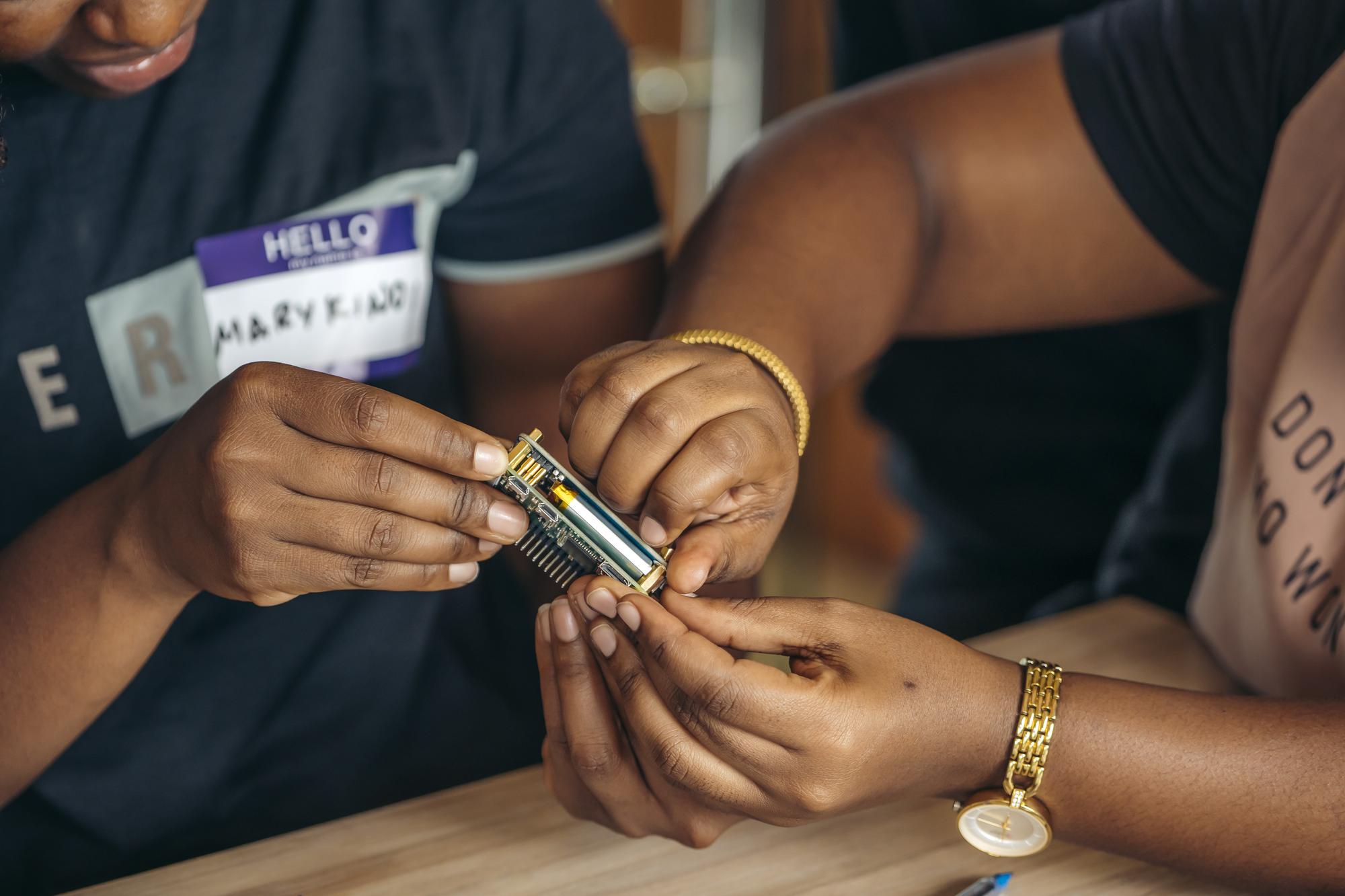
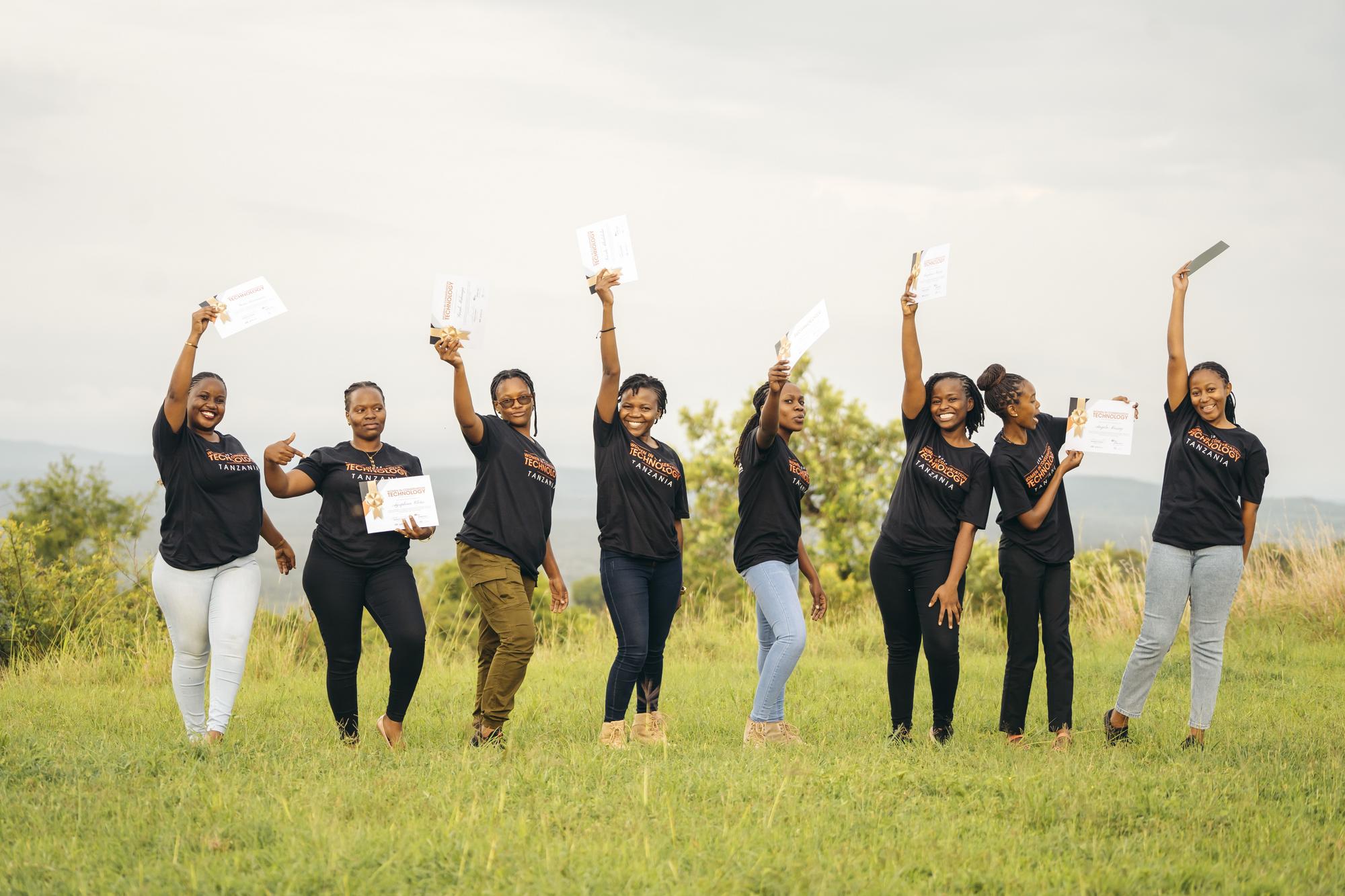
A certificate will be awarded upon successful completion of the programme.
Eligibility Requirements
This programme is designed for early-career women in the conservation field. Applicants must:
- Be a Tanzanian woman
- Be at least 18 years old and have completed a Diploma or B.Sc. in Wildlife Conservation, Forestry, Environmental Science, Zoology or a related area
- Have less than three years of professional experience in the conservation field (not including time spent on education)
- Be passionate about conservation and curious about technology. Individuals with a demonstrated interest in securing a position as a research assistant, field programme staff, or pursuing an advanced degree related to conservation science are strongly encouraged to apply
- Be able to commit to both in-person workshops and participate in virtual programming
Individuals already employed with a conservation organization are encouraged to apply, with the support of their supervisor.
How to Apply
Applicants must complete the application form and submit all required supporting materials:
- WILDLABS account username. If you don't have an account yet, take the time to create one here https://wildlabs.net/user/register
- Scanned copy of Diploma/B.Sc./M.Sc. certificates
- Copy of National Identification Card, Passport or valid Driver's License
- CV/Resume (max 2 pages)
- One letter of reference from a lecturer, employer, or mentor that can speak to your career aspirations and interests. Referrers should clarify their relationship with the applicant in their letter and comment upon the applicant's suitability for this position and how it would benefit their career goals. Please address the letter to RISE at Grumeti Fund
- Signed permission from your current work or academic supervisor explicitly acknowledging permission to attend both in-person workshops (DATES) and to participate in virtual programming. Letters that do not include an acknowledgement of specific dates will not be accepted
Applications are due by midnight EAT on 13 May 2026. Successful applicants will be informed in early June 2026. For questions or inquiries, contact Marykinoi Lembris at [email protected].
We’re Excited to Be Back!
After a year without the programme, we are delighted to relaunch the Women in Conservation Technology Programme with an enhanced curriculum, expanded cohort, and renewed commitment to supporting women in conservation.
We look forward to welcoming a new group of passionate, driven women ready to shape the future of conservation technology in Tanzania and beyond!
Programme Partners
Support for this year’s Women in Conservation Technology programme is generously provided by a grant from the JRS Biodiversity Foundation. The programme is run collaboratively by WILDLABS and the Grumeti Fund through RISE.

The Grumeti Fund is a non-profit organization carrying out wildlife conservation and community development work in the western corridor of the Serengeti ecosystem. RISE is a Grumeti Fund programme aiming to develop research that targets tangible solutions for conservation problems and contributes to developing the next generation of Tanzanian conservation scientists.

WILDLABS is the global online hub for conservation technology, providing connections, resources and training to conservationists, researchers and engineers around the world.
Learn more about the Women in Conservation Technology Programme
The Women in Conservation Technology programme was launched in 2022 with the overarching goal of supporting East African women in the field of conservation technology. Learn more about our previous programmes under related articles.
Photo credits: Dany Samwel
Related content
Article
In Review: The Women in Conservation Technology Programme, Kenya

WILDLABS and 2 more
The Women in Conservation Technology Programme was launched in 2022 with the overarching goal of supporting East African women in the field of conservation technology. As we open applications for the 2023 Programme, we...
3 April 2023
Article
Scaling Impact: Women in Conservation Technology Programme, Tanzania 2023

WILDLABS Team and 2 more
Come along and reflect on the extraordinary progress each of our WiCT Tanzania cohort members have made since 2023 and follow their dynamic conservation technology journeys across Tanzania. Featuring eight exciting blog...
29 October 2024
Article
Look back on the incredible three days in Grumeti that wrapped up the Women in Conservation Technology Programme 2024!
23 December 2024
Add the first post in this thread.