
WILDLABS





Meet our WiCT Cohort 3
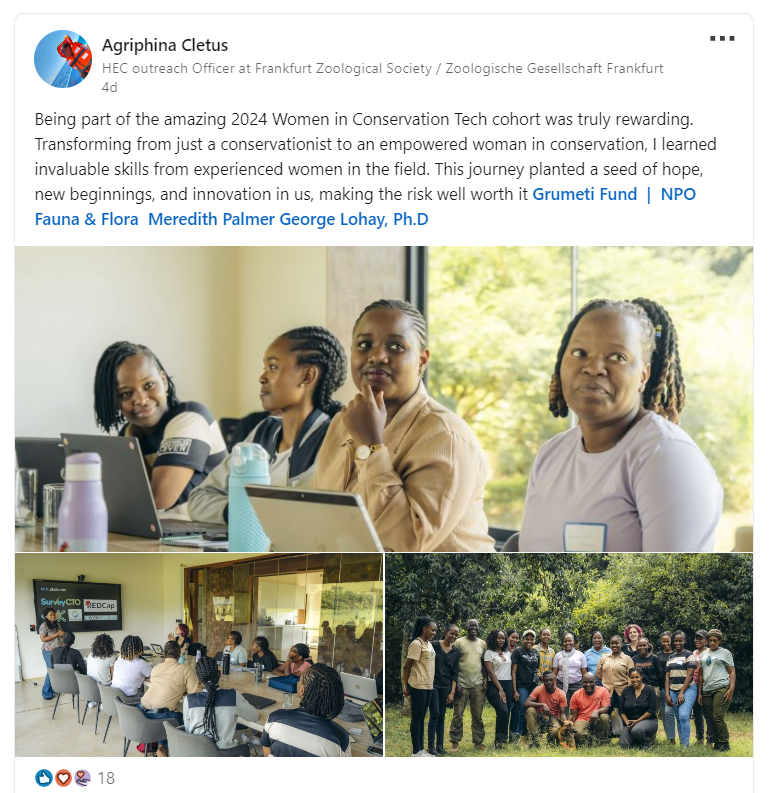
This year, the Women in Conservation Technology Programme is run in partnership by the Grumeti Fund’s Research and Innovation for the Serengeti Ecosystem (RISE), the WILDLABS Conservation Technology Community, and the international wildlife NGO, Fauna & Flora. We welcomed ten early-career Tanzanian women who are eager to advance their careers in the conservation sector. Each participant brings unique experiences, perspectives, and visions for applying technological innovations to address regional conservation challenges. Our exceptional third cohort includes individuals working in academia and NGOs, with expertise in human-wildlife conflict mitigation, biodiversity monitoring, animal behavioral studies, and more.
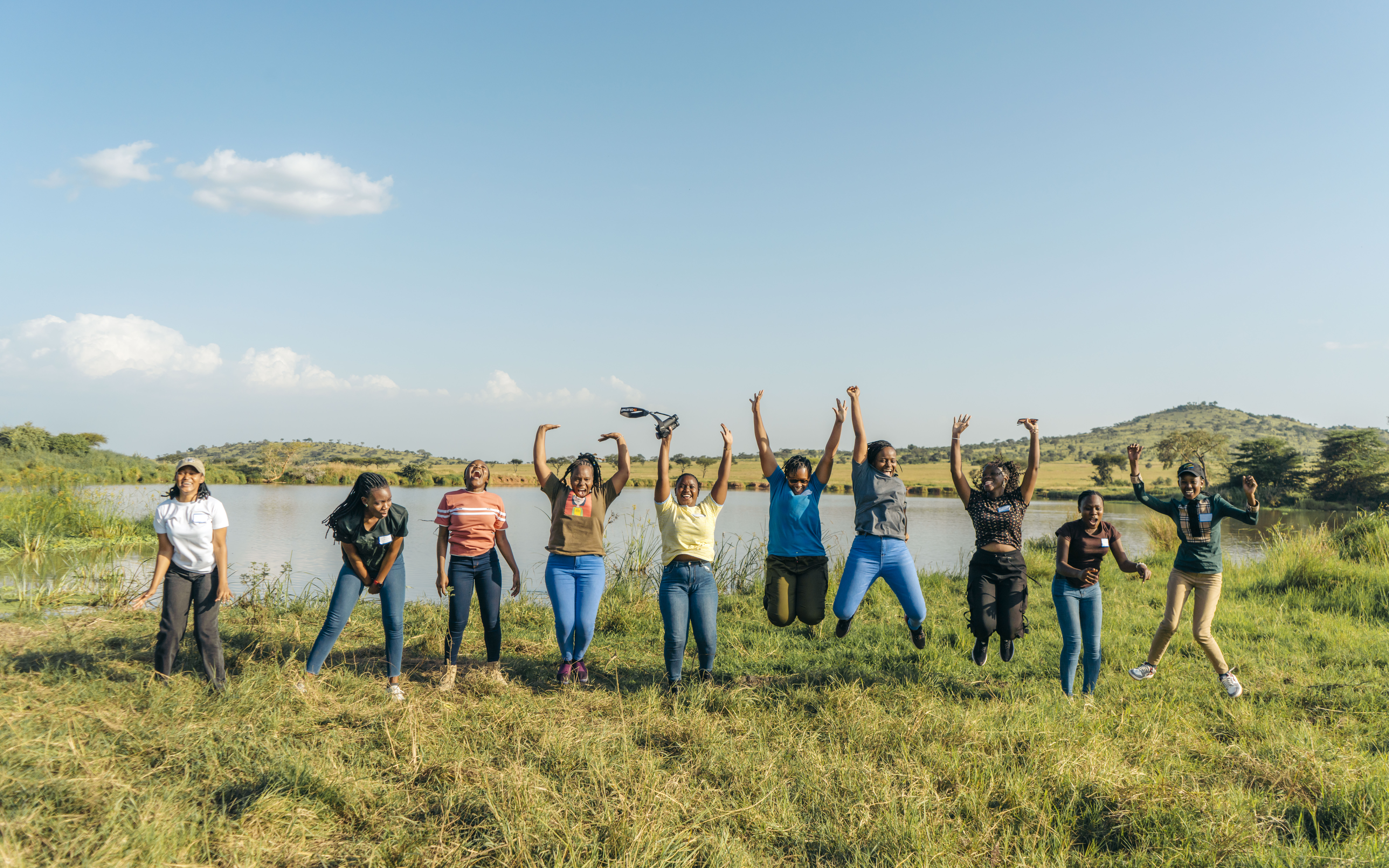
Caption: WiCT Cohort 3 out in the field
Get to know our outstanding third cohort to learn more about and follow their work by checking out their profiles here on WILDLABS:
- Adventina Anthony
- Agripina Cletus
- Angela Massay
- Grace Mchome
- Ivorda Albert
- Loveness Mutungi
- Marykinoi Lembris
- Nora Noel
- Nyangeta Magesa
- Sarah Mshanga
Workshop 1: Key Themes
Each day of our opening workshop focused on a specific conservation challenge. We started each session in the classroom with lectures from highly qualified conservation professionals, followed by afternoons in the field where participants gained hands-on experience with each technological tool.

Caption: Meredith Palmer delivering a session to the cohort
We began the week by exploring tools used in wildlife protection, ranging from the simple but fundamental GPS devices and radios to sophisticated data integration platforms like EarthRanger. Instructor and mentor, Loyce Majige guided students in programming their own data collection apps, which they put to the test gathering wildlife data over the following days! In the afternoon, Alina Daati, from the capacity building start-up, ConTech Africa, introduced participants to the Grumeti Ops Room, where they learned how the reserve collects and visualizes data from ranger patrols and collared animals to better protect people and wildlife. We were even treated to a demonstration of “bio”-tech by the Grumeti K-9 unit: Radar the malinois and his super-sniffer uncovered hidden ammunition in under a minute!
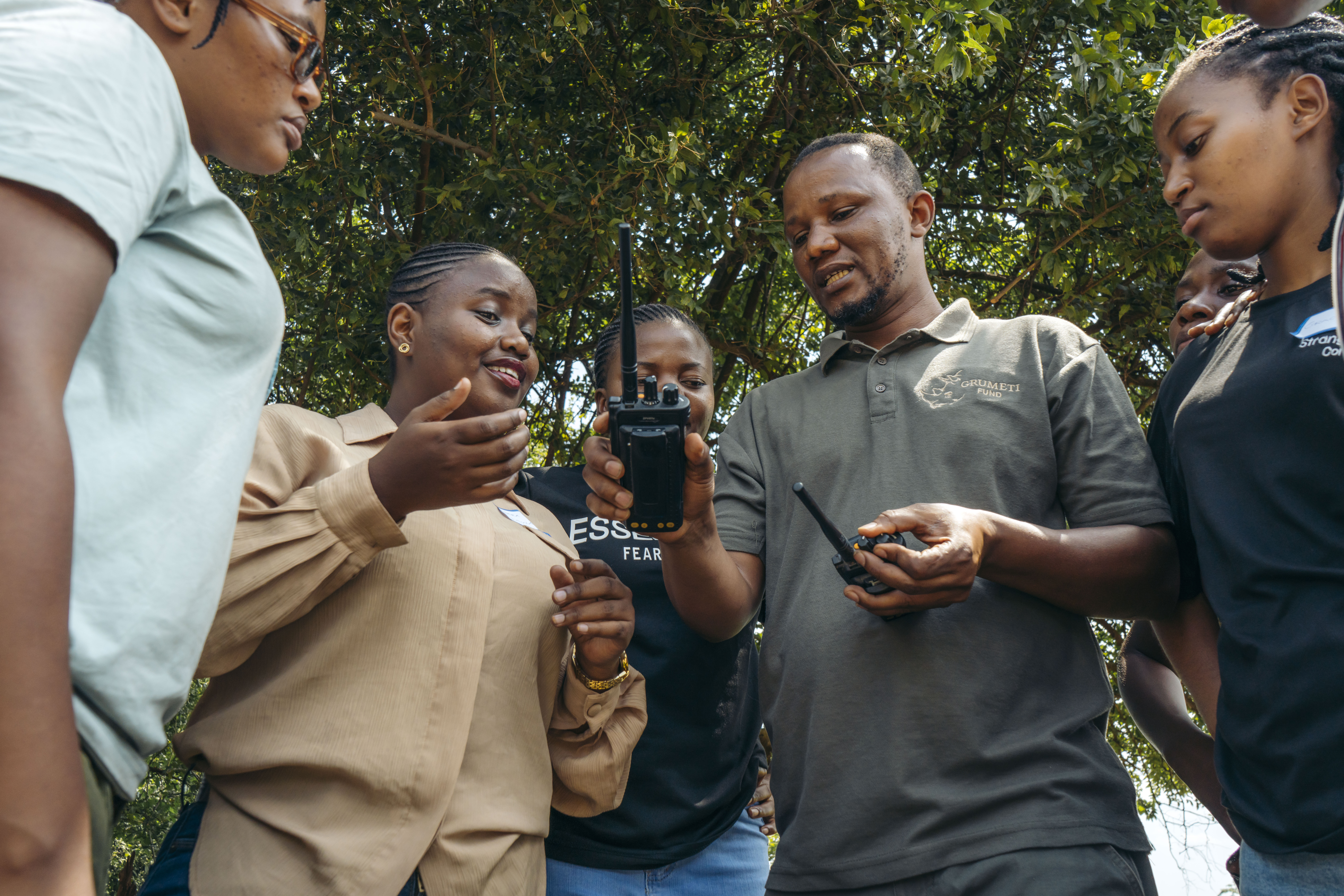
Caption: The cohort learning about GPS devices and radios
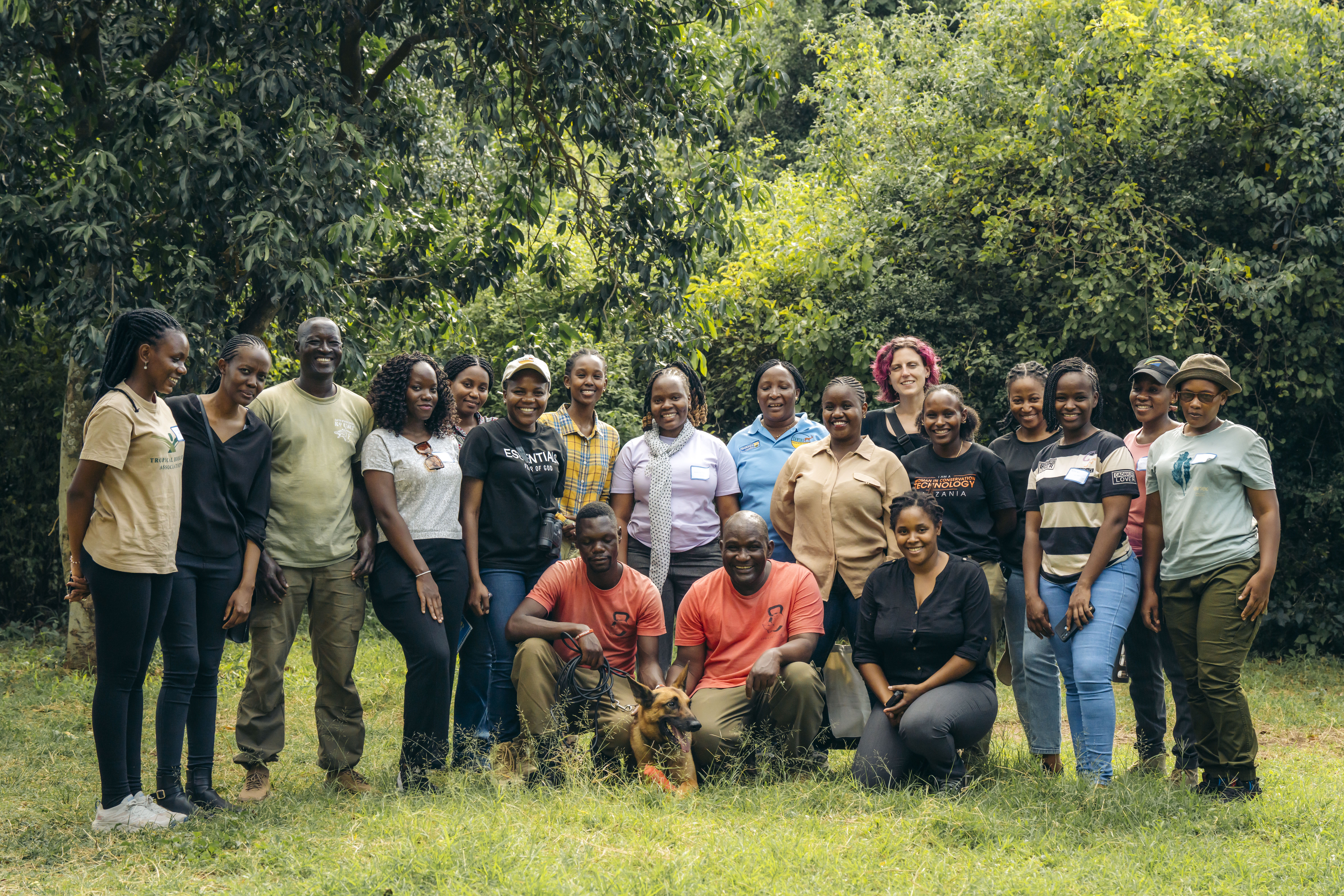
Caption: Grumeti K-9 unit with the cohort after a demonstration of “bio”-tech
Another key theme of our Women in Conservation Technology workshop 1 was human-wildlife conflict (HWC) mitigation. We were privileged to have Dr. Janemary Ntalwila from the Tanzanian Wildlife Research Institute (TAWIRI) share insights from her extensive experience mitigating negative human-wildlife interactions and promoting coexistence between people and animals. Loyce Majige also shared the results of her research on the impacts of one of Tanzania’s most pioneering HWC mitigation efforts, a 30-km long electric fence aimed at protecting communities and wildlife from harmful interactions. That afternoon, we got our hands dirty (literally!) with Grumeti’s Relationship Management team, mixing our own elephant-deterring chili blocks and firing off explosive Roman candles, which are used to deter crop-raiding wildlife. These demonstrations underscored the impact of low-tech solutions and the value of local knowledge, as many of these highly effective solutions were developed by local communities.
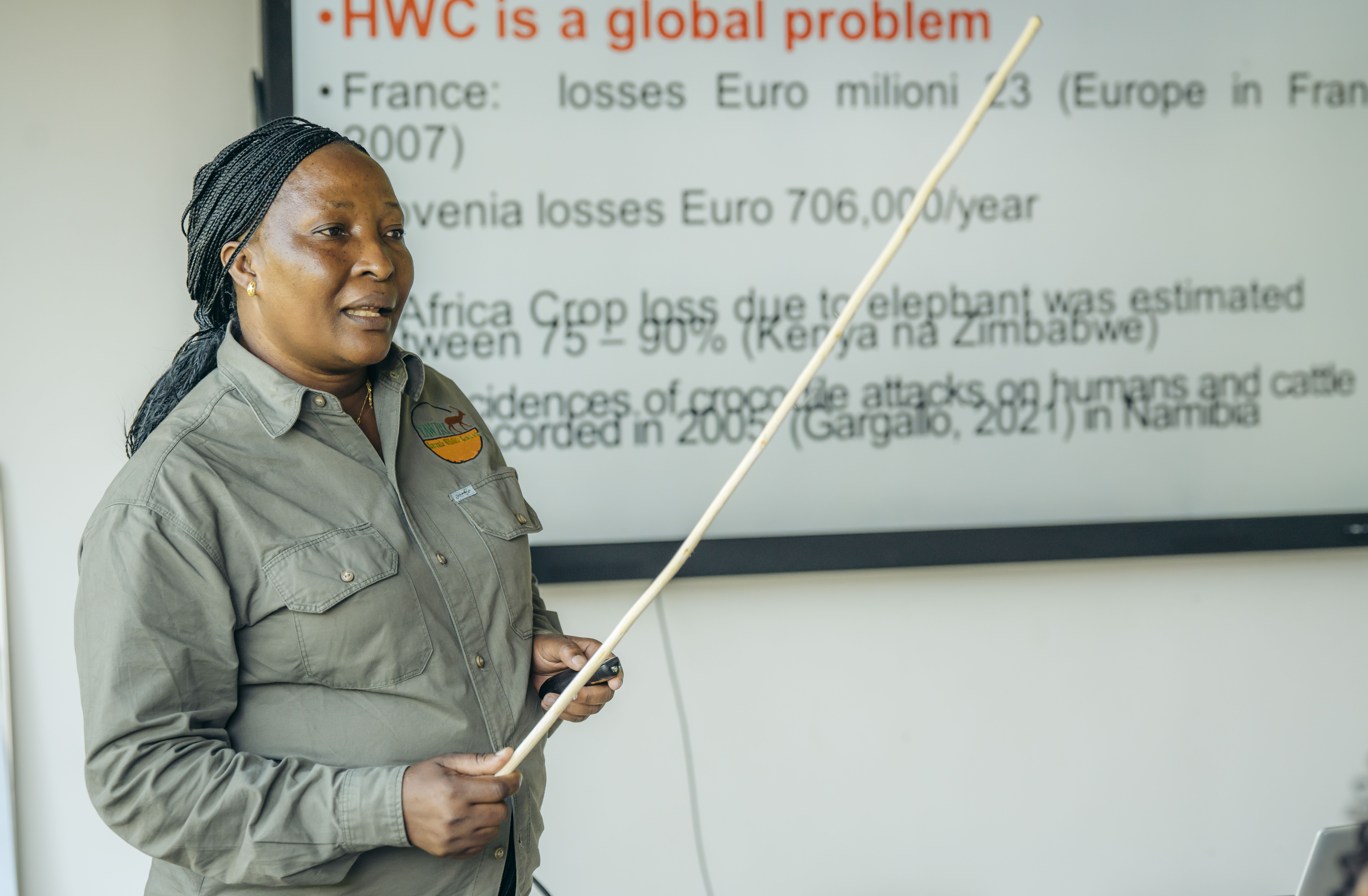
Caption: Dr. Janemary Ntalwila (TAWIRI) delivering a human-wildlife conflict presentation
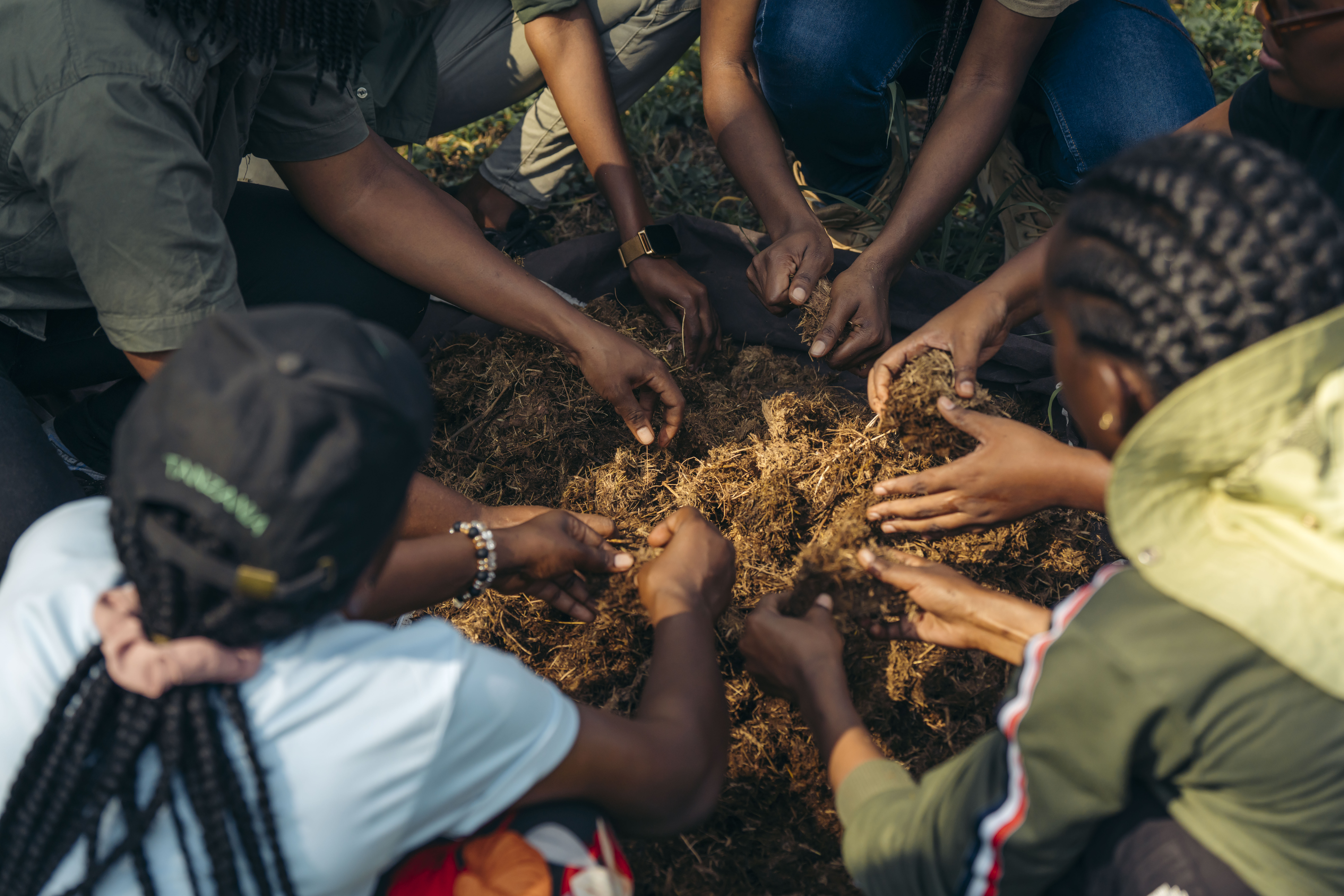
Caption: The cohort mixing elephant-deterring chili blocks
Our final focus explored technologies used in wildlife monitoring. Grumeti research scientists, Victoria Mkessa and Dr. George Lohay led the day by introducing students to a wide range of wildlife research tools, from genomic advances to wildlife tracking tech. Students then had the opportunity to monitor some wildlife themselves, setting up camera traps outside the RISE center and tracking elephants across the Grumeti savannah!
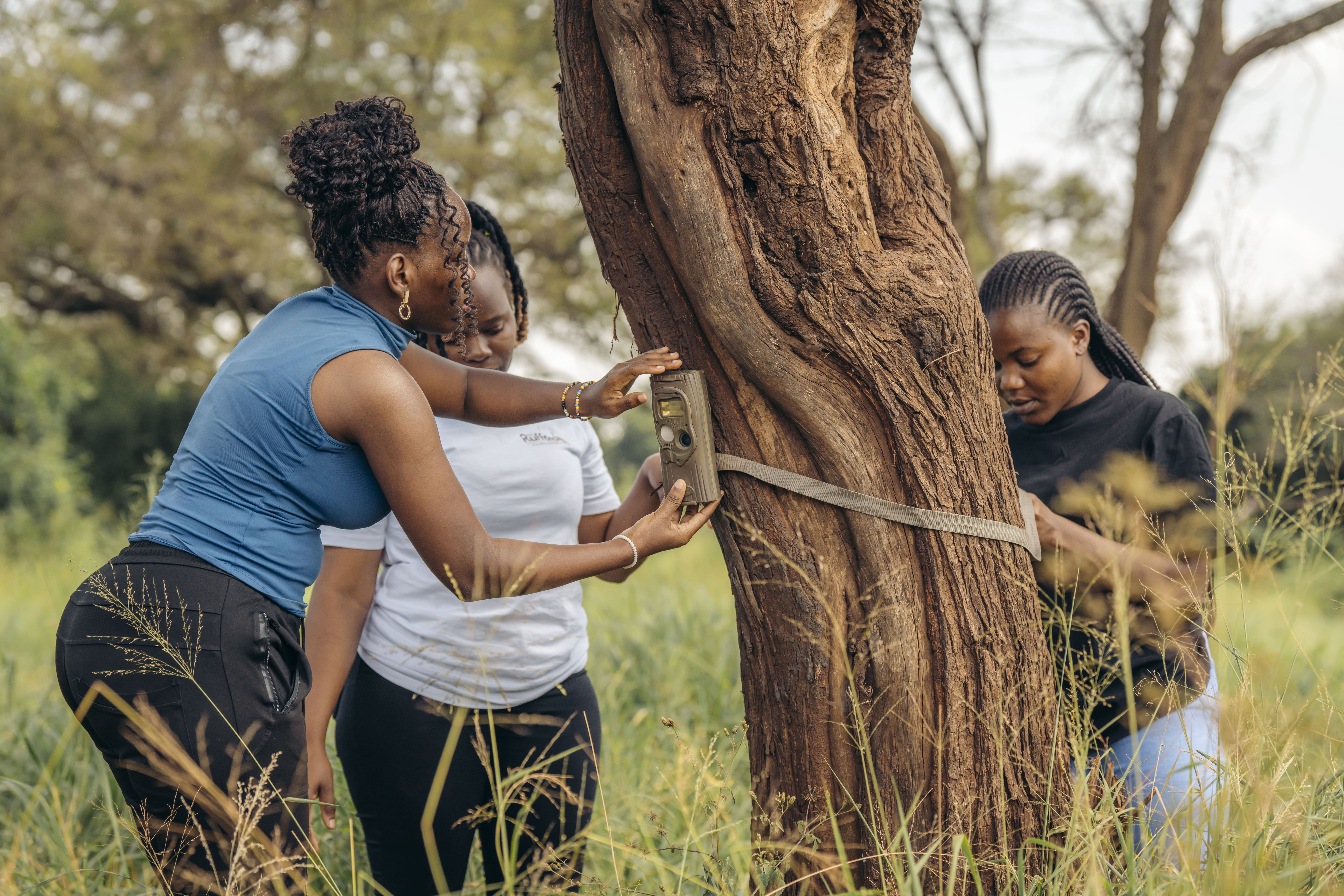
Caption: The cohort setting up camera traps outside the RISE center
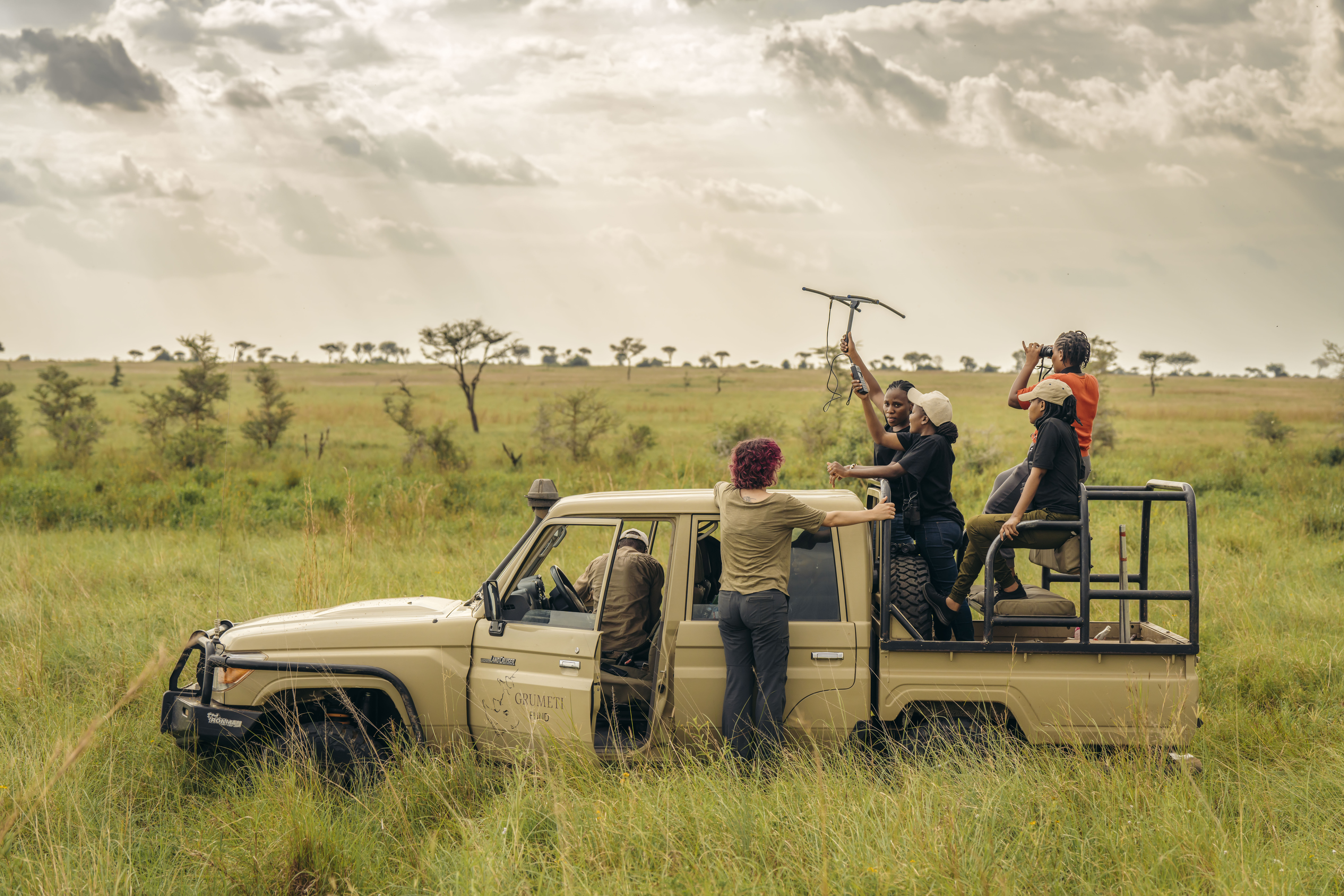
Caption: The cohort tracking elephants across the Grumeti savannah
Leadership & Community
Women in Conservation Technology is more than a technical training program; it is a program designed to empower emerging conservation leaders by equipping them with the skills needed to succeed in the conservation sector. Women in particular face unique challenges navigating these spaces.
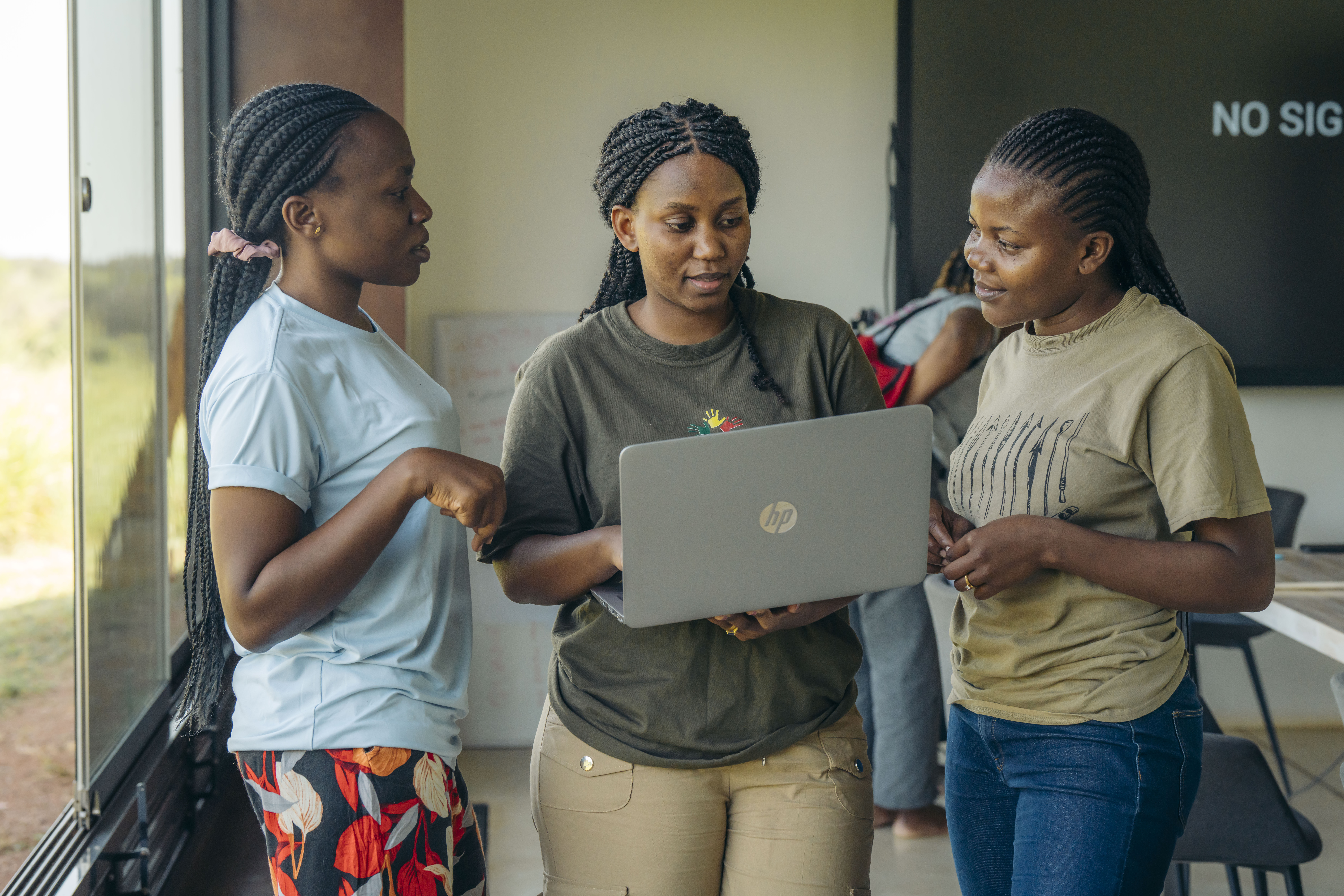
Caption: Loyce Majige (Mentor) and the Cohort
For each workshop, we invite established female leaders and supportive male allies from the East African conservation technology sector. These mentors, chosen from various career stages, disciplines, and backgrounds, help our students "see themselves" as future leaders in conservation. Alongside providing high-quality instruction on a range of technical topics, our mentors engage in honest - and often vulnerable - conversations about their career journeys, addressing challenges such as work-life balance, navigating male-dominated spaces, and making their voices heard.
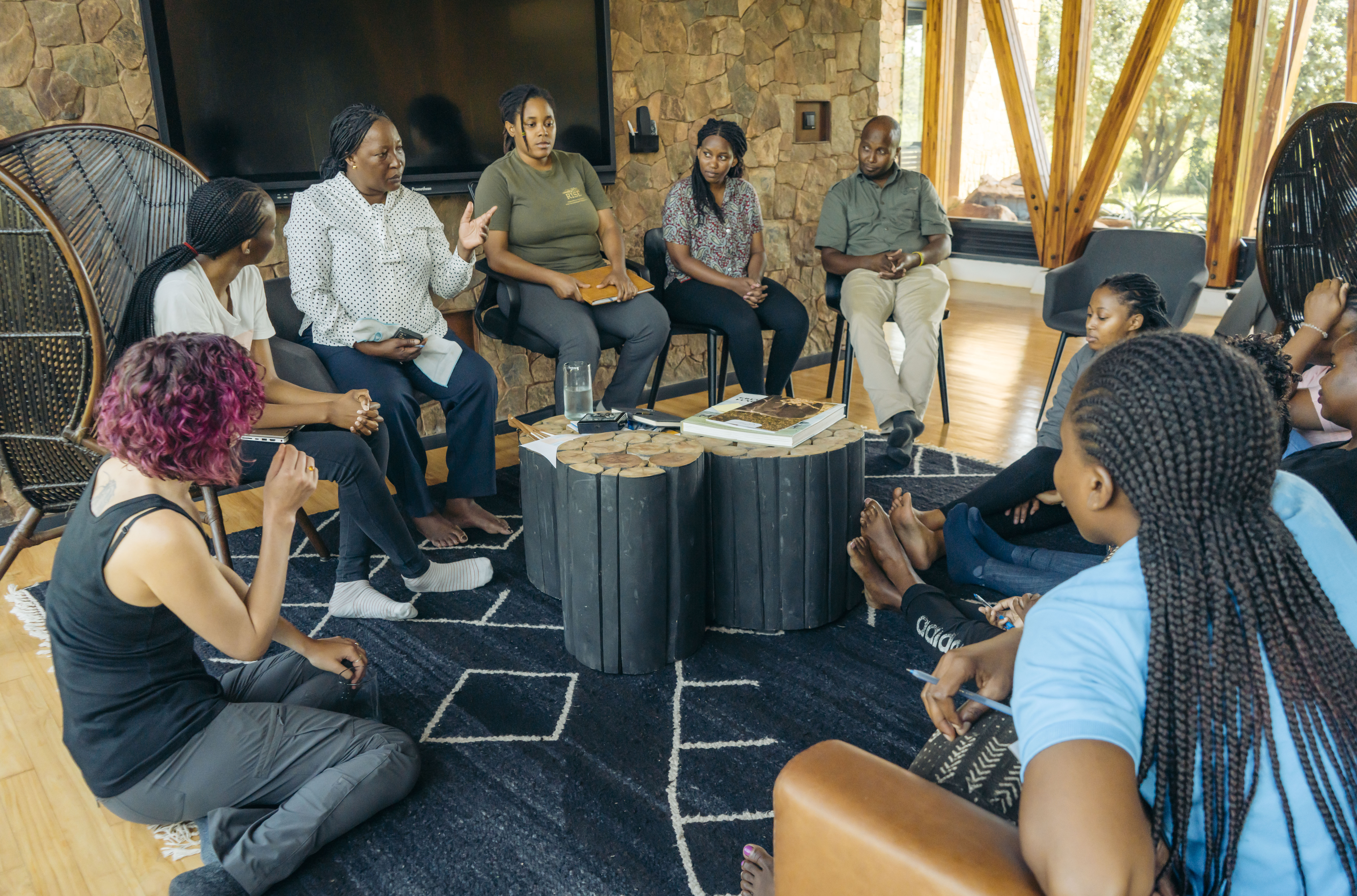
Caption: Mentors delivering leadership session to cohort
Moving Forward
Our workshops offer an introductory overview of a variety of technical tools, aiming to help participants identify which techniques could benefit their conservation work. To develop practical proficiency with these tools, we will spend the next five months working remotely with our students to deepen their skillset in a technology of their choice.
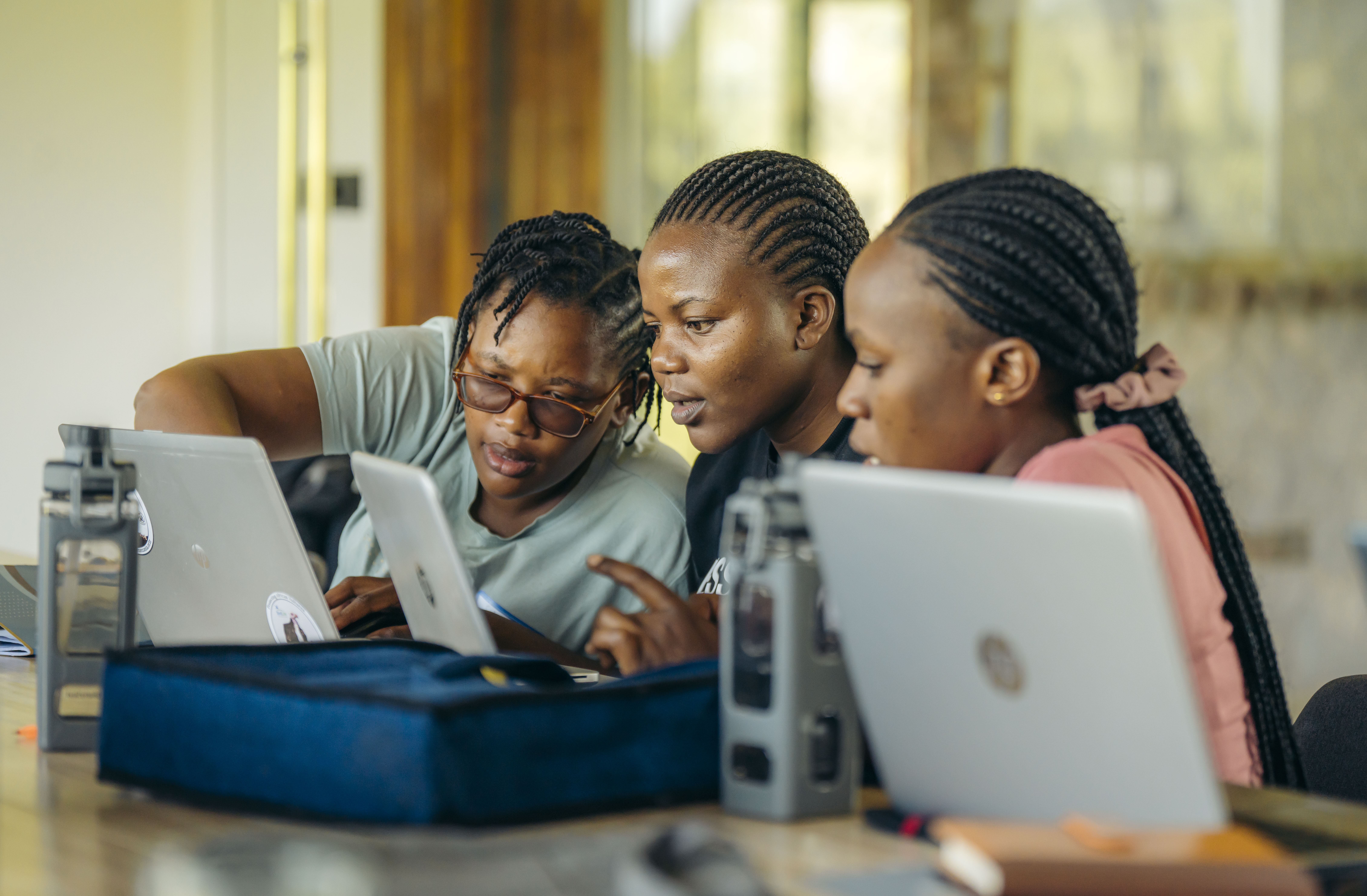
Caption: Cohort exploring virtual resources
We will also facilitate virtual and in-person networking and community building opportunities in the conservation technology space. Keep an eye out for our participants and stay engaged with their work in the WILDLABS East Africa community! In December, we will reconvene at the RISE Institute in Grumeti for a second workshop focused on impact and innovation. Stay tuned for more updates from the field!
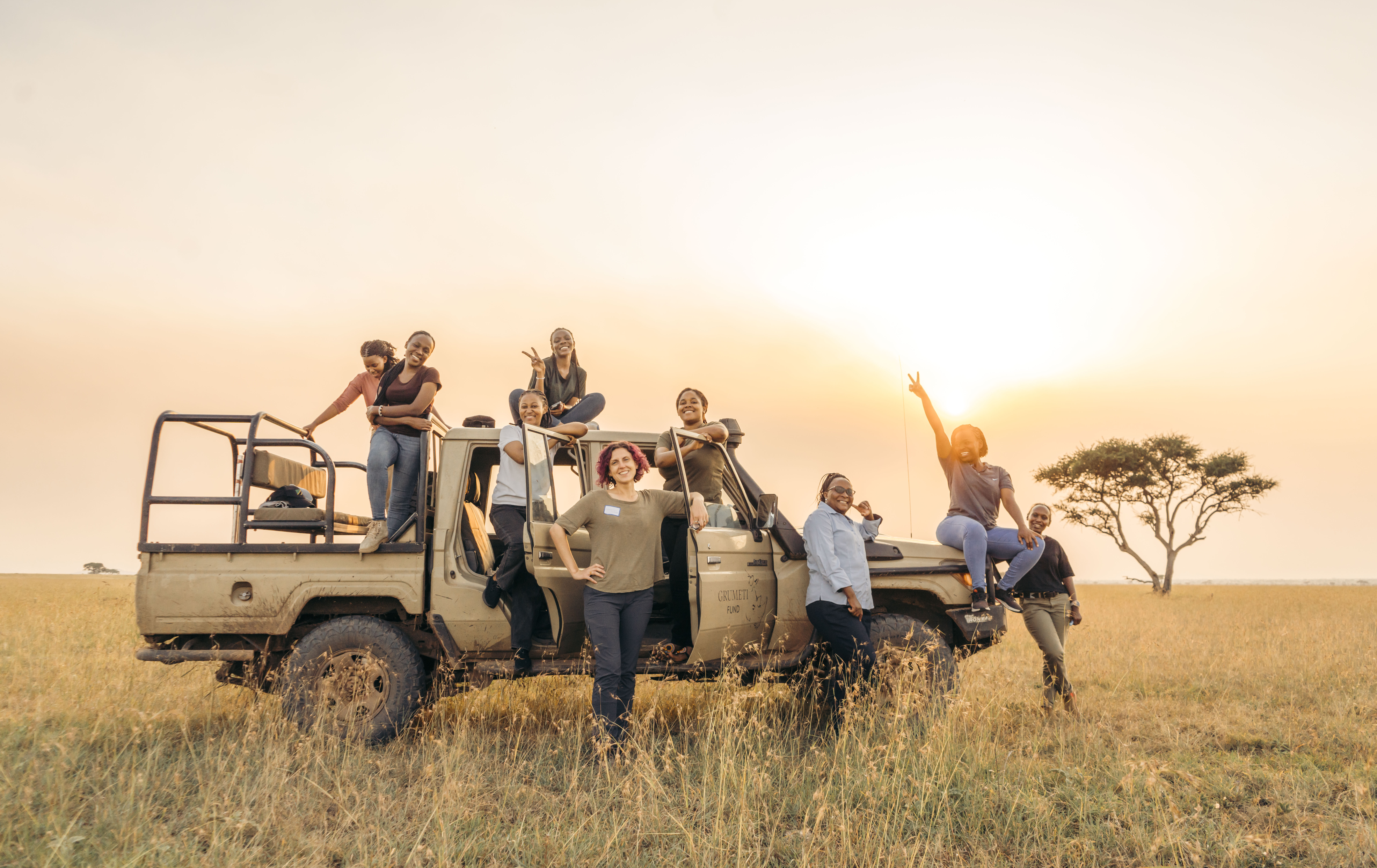
Caption: Our Mentors and Cohort in the field
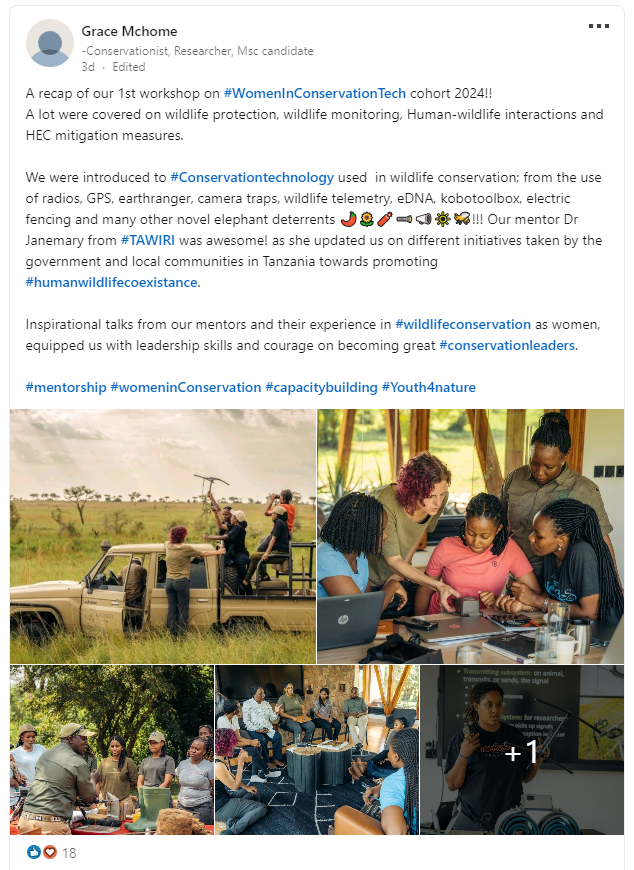
What Our Cohort Had to Say...
Related content
Article
Apply Now: Women in Conservation Technology Programme, Tanzania 2024

WILDLABS Team and 2 more
Are you an emerging Tanzanian conservationist looking to leverage new technologies in your conservation practice and become part of an empowering network of female conservation leaders? Apply now for our Women in...
25 March 2024
Article
Meet Our Cohort & Mentors: Women in Conservation Technology Programme, Tanzania 2024
WILDLABS Team and 2 more
We are excited to announce the commencement of our third Women in Conservation Technology Programme in partnership with the Grumeti Fund and Fauna & Flora, as we bring the programme back to Tanzania. Our first in-...
30 May 2024
17 June 2024 7:45am
Victoria Mkessa